



The Return of 'Appointment TV'
The idea of organizing your Tuesday night around a specific show seems almost quaint. But after years of being told the binge-watch was king, there’s a growing appetite for the opposite. Streamers themselves are rediscovering the power of the weekly drop
for hit shows, creating what some call 'FOMO TV'. The fear of missing out on the online conversation—and encountering spoilers—is a powerful motivator. This isn't just about avoiding spoilers; it's about being part of a collective experience again. Live events, from sports to reality show finales, have proven that millions will still show up for a can't-miss moment. Viewers are rediscovering the joy of anticipation, the week-long speculation that a full-season drop simply can't replicate.
The Premiere Night Watch Party
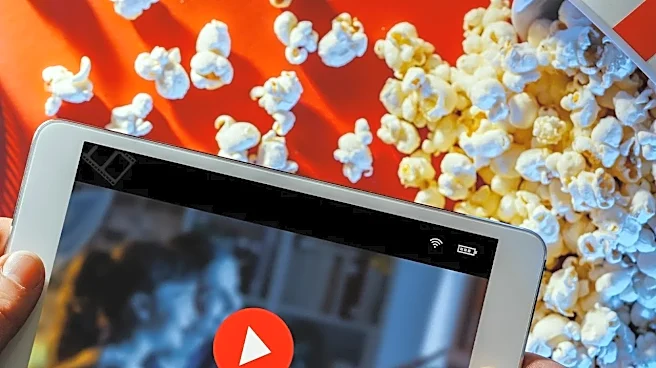
Before we all retreated to our own screens, a season premiere was an event worth gathering for. Pizza, popcorn, and a living room full of friends reacting in real-time was the ultimate way to kick off a new season. This ritual turned a passive activity into an active, social one. In 2026, after years of digital isolation, the desire for this kind of simple, in-person connection is stronger than ever. Planning a get-together provides a low-stakes, high-reward social anchor. It’s less about the show itself and more about creating a shared memory, something the solitary “Are you still watching?” prompt from your streaming service can never offer.
The Watercooler Debrief (Now on Social Media)
The day after a big episode used to be dominated by 'watercooler' chat at the office. Did you see what happened? Can you believe that cliffhanger? Today, that conversation happens instantly and globally on social media platforms. While the location has changed, the impulse is the same: to share, debate, and dissect what we all just watched together. Weekly episode drops supercharge this phenomenon, creating a sustained, week-over-week conversation that a binge-watch just burns through in a weekend. This digital watercooler allows fans to build communities, share theories, and create memes, extending the life of an episode far beyond its one-hour runtime.
The Weekly Commitment
Binge-watching offers instant gratification, but it often leads to a show feeling disposable. You consume it, and it’s gone. The weekly viewing model fosters a different kind of relationship with a story and its characters. It’s a slow burn. You live with the plot twists for a week, letting them sink in. This pacing allows for deeper engagement and a stronger emotional investment over the course of a season. It turns watching a show from a frantic sprint into a satisfying long-distance run. In a world of infinite choice, committing to one or two shows a week can feel like a grounding, mindful act, pushing back against the choice paralysis that defines the streaming era.
Rediscovering the Shared Cultural Beat
Perhaps the biggest thing we lost wasn't a specific ritual, but the shared cultural rhythm that appointment television provided. For decades, millions of Americans were on the same page, watching the same stories unfold at the same time. This created common ground in a way that our current, fragmented media landscape rarely does. The craving to bring back fall TV rituals is, at its core, a craving to feel part of something larger than ourselves. It’s a desire to not only watch a show but to watch it with everyone else, restoring a small but significant piece of our collective cultural experience.