

The High Price of Buying Cheap
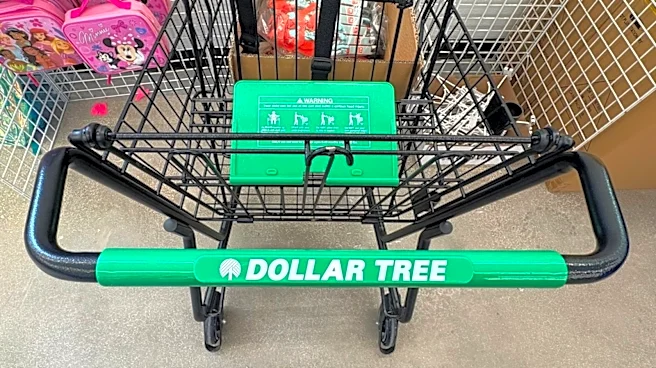
It’s a familiar cycle. You need a new bag, so you grab something affordable and of-the-moment. It looks great for a few weeks, but soon a strap frays, the zipper sticks, or the faux-leather finish starts to peel. Before you know it, you’re shopping for its
replacement, and the cycle begins again. This treadmill of disposable fashion feels thrifty in the moment, but the costs add up. The average consumer wears a new garment only seven to ten times before discarding it. While that statistic applies to clothing, the principle is the same for accessories. A $50 bag worn only a handful of times before it breaks isn't a bargain; it's an expensive rental.
The Simple Math of Cost-Per-Wear
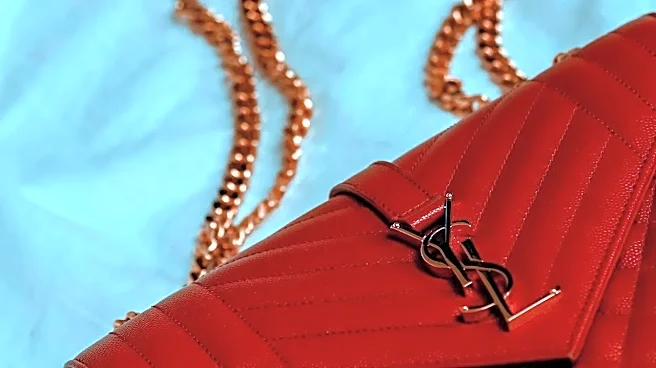
This is where the concept of cost-per-wear (CPW) changes the game. The formula is simple: divide the total price of an item by the number of times you use it. This calculation shifts the focus from the initial sticker shock to the long-term value of a purchase. Let’s break it down. Imagine that trendy $50 bag lasts you for 25 outings before it gives up. Your cost-per-wear is $2.00. Now, consider a high-quality, full-grain leather bag that costs $400. That price can feel intimidating. But this is a bag built to last not just a season, but potentially a decade or more. If you wear it 1,000 times over its lifespan—a realistic number for a daily workhorse bag—its cost-per-wear plummets to just 40 cents. The “expensive” bag is suddenly the clear winner, proving five times more cost-effective in the long run.
More Than Just Numbers
The case for an excellent bag isn’t purely mathematical. The qualitative benefits are just as compelling. A well-made leather bag is reliable; you don't have to worry about a strap snapping during your commute or a zipper failing at an inconvenient time. It has a timeless style that transcends fleeting trends, adding a touch of sophistication to any outfit. Furthermore, high-quality leather ages beautifully. Instead of wearing out, it develops a rich patina—a unique sheen and character that comes from years of use. That wear-and-tear doesn't diminish the bag; it enhances it, telling a story that a synthetic alternative never can. It becomes a personal artifact, not just a disposable accessory.
What to Look For in a Forever Bag
So, what separates a true investment piece from a merely expensive one? First, the leather itself. Look for "full-grain" leather, which is the highest quality grade and comes from the top layer of the hide with all its natural strength and imperfections intact. It’s far more durable than “top-grain” (which is sanded down) or “genuine leather,” a lower-grade material. Next, inspect the craftsmanship. The stitching should be even and tight, with no loose threads. Test the hardware—zippers should feel smooth and substantial, while buckles and clasps should be solid metal, not flimsy coated plastic. Finally, consider the design. The most versatile bags have clean, classic lines that won't look dated in a few years, ensuring you'll continue to reach for it season after season.