


Function First, Fashion Second
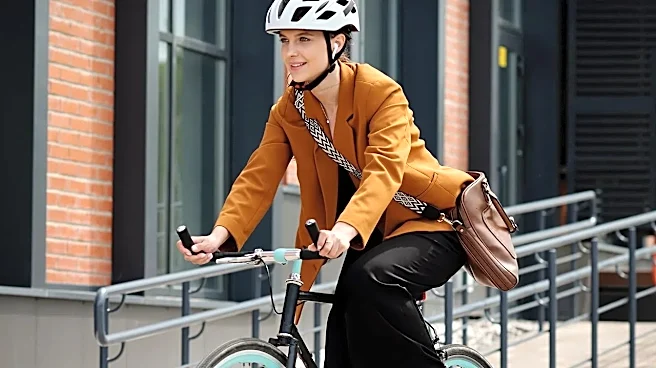
The secret to Copenhagen style isn't a specific brand or trend; it's a philosophy born from the city itself. Copenhagen is a city of cyclists and walkers, where cobblestone streets and unpredictable seaside weather are daily realities. This emphasis on practicality
means that an outfit must first and foremost be functional. Clothing is designed for movement and durability. However, this isn't a compromise. Instead, functionality becomes the foundation of the aesthetic. The need for weather-proof outerwear and comfortable shoes isn't a limitation but the very starting point from which the effortlessly cool look is built.
The Power of Proportions and Silhouette
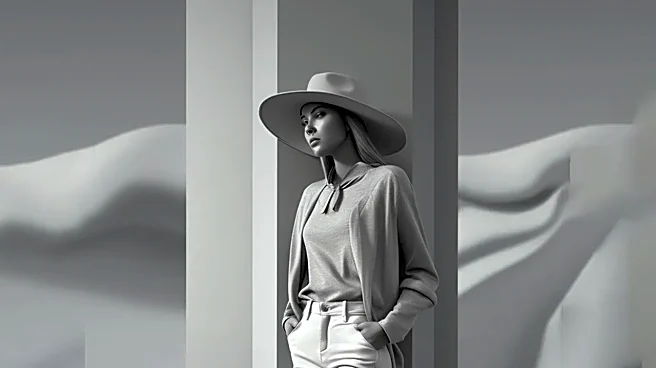
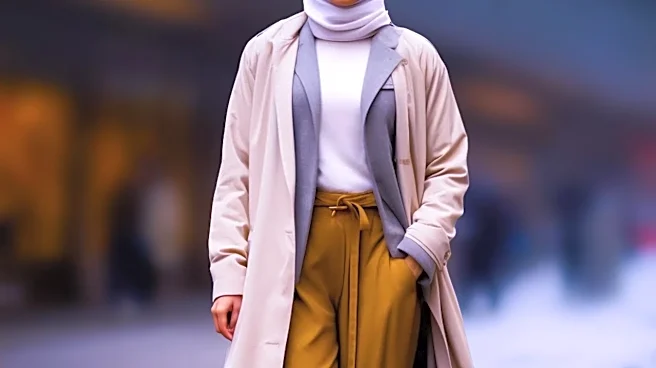
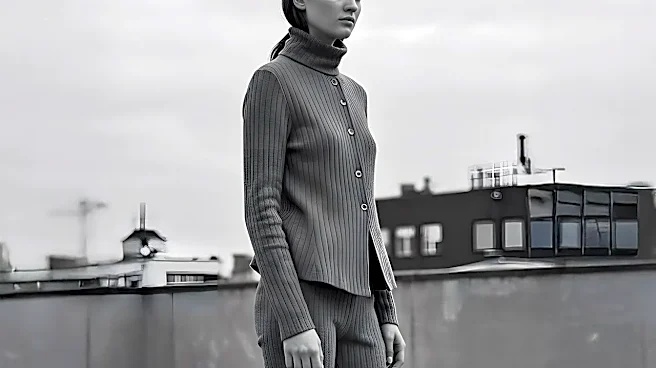
One of the most noticeable elements of Danish style is the masterful play on proportions. The skinny jean has long been replaced by more relaxed, oversized silhouettes. Think wide-leg trousers, slouchy sweaters, and roomy trench coats. The key is creating a balanced look. An oversized blazer might be thrown over a simple, fitted tee, or billowing trousers are paired with a slimmer top to maintain a sense of shape. This intentional contrast between loose and tailored pieces prevents the outfit from looking sloppy and instead creates a modern, architectural silhouette that feels both considered and comfortable.
Mastering the Art of the Layer
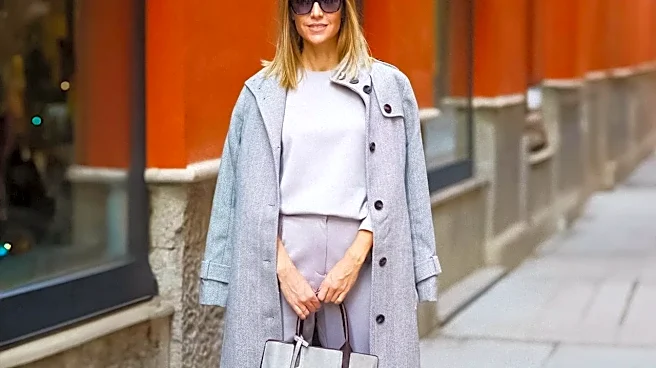
Layering is essential for navigating Copenhagen's often-changing weather, but it's also a primary styling tool. It's about more than just throwing on a coat. Danes excel at creating visual interest through texture and layers. A crisp button-down shirt might peek out from under a chunky knit sweater, which is then topped with a long wool coat. This approach not only offers practicality but also adds depth and dimension to an outfit. Each layer is visible and chosen with intention, turning a simple base into a complex, interesting look without sacrificing comfort.
Investment Pieces Over Fleeting Trends
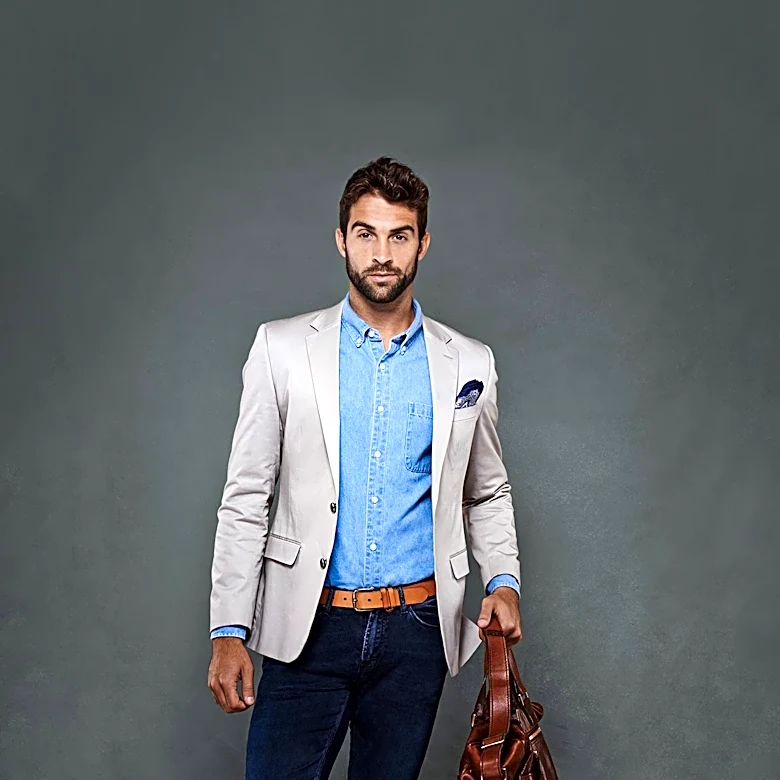
There's an emphasis on longevity and quality that is deeply rooted in all forms of Danish design, from furniture to fashion. This translates to a wardrobe built on high-quality basics and timeless essentials rather than fast-fashion trends. Think well-tailored blazers, durable leather goods, and luxurious knits made from natural fibers like wool and cotton. These pieces form a versatile foundation in a mostly neutral palette of black, gray, beige, and white. This focus on quality over quantity ensures that clothes not only last longer but also look more polished and refined.
The Strategic Pop of Color
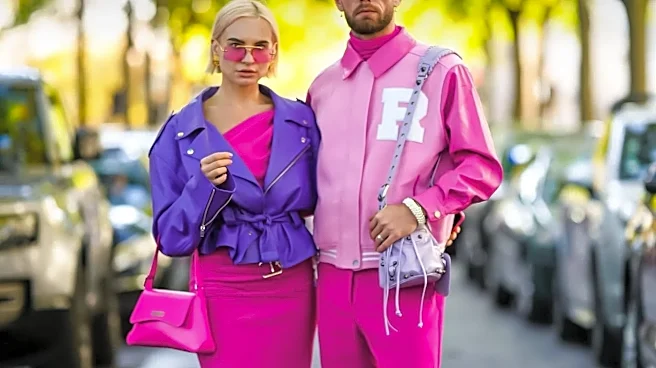
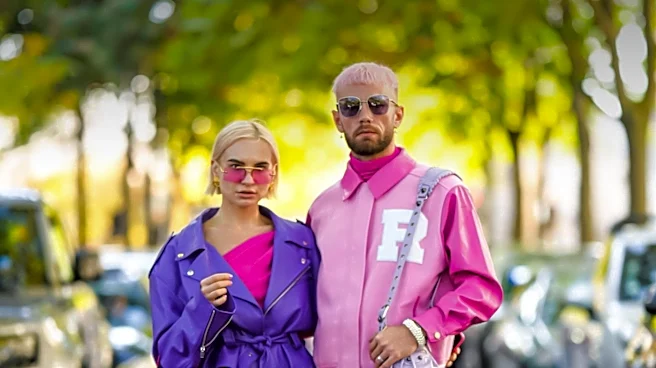
While the base of many Copenhagen outfits is neutral, the look is rarely boring. This is thanks to the strategic and playful use of color. An otherwise minimalist outfit might be punctuated by a single, bold accessory—a brightly colored handbag, a vibrant scarf, or a pair of neon sneakers. Sometimes an entire garment, like a jewel-toned knit or a brightly hued coat, will be the focal point. This controlled use of color adds a dose of personality and prevents the minimalist aesthetic from feeling sterile, showing a cheeky, irreverent heart beneath the polished exterior.
Comfortable, Not Careless, Footwear
You won't see many stilettos on Copenhagen's streets. The city's practical nature extends all the way down to the footwear. The preferred choices are stylish yet comfortable shoes that can handle a day of walking or cycling. This often means chunky sneakers, flat leather boots, or classic loafers. These styles are chosen because they perfectly bridge the gap between casual and formal. A pair of sleek, minimalist sneakers can make a tailored suit feel more relaxed and modern, proving that you don't need to sacrifice comfort for a polished finish.