








The Two Sides of the Flag
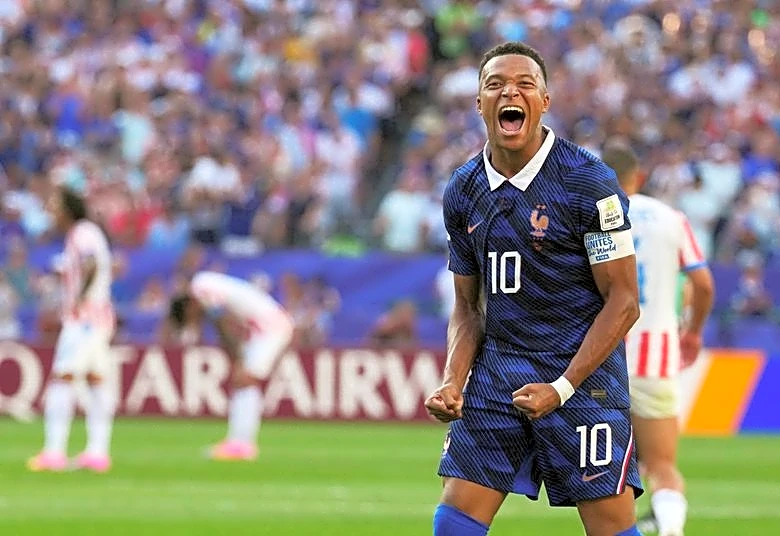
There's nothing quite like the roar of a home crowd or the surge of adrenaline that comes from representing your country. For many athletes, national pride is a profound motivator. It provides a sense of purpose beyond personal achievement, transforming
an individual pursuit into a collective mission. When an athlete pulls on a national team jersey, they feel a responsibility to elevate their performance, not just for themselves, but for their hometown, their family, and every fan watching back home. This patriotic energy can fuel incredible feats and unite a country, as the Iraqi soccer team's surprising run in the 2004 Olympics demonstrated for a nation mired in conflict. But this sword has a razor-sharp second edge. The same force that lifts athletes up can also become a suffocating burden, turning the field of play into a psychological minefield where the fear of letting everyone down is as formidable as any opponent.
The Science of 'Choking'
Sports psychologists have a term for when skilled athletes falter under stress: choking. It’s not just a bad day; it’s a specific psychological process. The immense pressure to succeed for a nation triggers anxiety, which can lead to overthinking. Skills that are normally automatic and fluid, honed over thousands of hours of practice, suddenly become conscious and clunky. This is often called “paralysis by analysis.” An athlete starts consciously trying to control movements that should be instinctual, and the performance degrades rapidly. The fear of failure—of embarrassing themselves, their team, and their country—becomes a self-fulfilling prophecy. This isn't about a lack of skill or desire; it's about the brain's reaction to overwhelming social and evaluative pressure. The very thing the athlete wants most—to make their country proud—becomes the source of the anxiety that prevents them from doing so.
Ghosts of Tournaments Past
History is littered with iconic moments where national pressure became too much to bear. In the 1994 World Cup final, Italian superstar Roberto Baggio—who had heroically carried his team to that point—missed the decisive penalty kick, sending the trophy to Brazil. The image of Baggio standing with his hands on his hips, head down, as the Brazilians celebrated became an enduring symbol of sporting heartbreak. He later described the moment as a “wound that never closes.” More recently, the world watched as Simone Biles, arguably the greatest gymnast of all time, withdrew from several events at the Tokyo Olympics. She spoke openly about feeling the “weight of the world” on her shoulders and dealing with the “twisties,” a dangerous mental block where gymnasts lose their sense of spatial awareness in mid-air. Her decision sparked a global conversation about the intense mental toll placed on athletes who are expected to be national heroes.
Fuel for the Fire, or Just Fire?
Not every athlete crumbles. Some seem to metabolize pressure into fuel. They possess a psychological resilience that allows them to see high-stakes moments as challenges to be relished, not threats to be feared. These athletes often have strong self-confidence and a sense of control, using pre-performance routines to anchor themselves in the moment. But the difference between thriving and choking is a fine line. It’s not just about an individual’s mental toughness. The nature of the sport, the level of media scrutiny, and the sheer scale of national expectation all play a role. When athletes like tennis star Naomi Osaka and Biles speak out, they remind us that behind every national icon is a human being navigating an extraordinary amount of stress. Their willingness to be vulnerable challenges the old “win at any cost” mentality and forces fans and organizations to consider the well-being of the people carrying their hopes.