






First, What Exactly Is ‘Americana’?
Before you can understand the fashion, you have to understand the music. Americana isn't a single genre but a rich, soulful tapestry woven from the threads of America’s root forms: folk, country, blues, rock and roll, R&B, and bluegrass. It’s a space
for artists who don't fit neatly into the polished boxes of mainstream country or pop. The ethos, established by the Americana Music Association, prioritizes storytelling, musical heritage, and artistic freedom over commercial trends. Artists celebrated here, from Brandi Carlile to Jason Isbell and Sierra Ferrell, are revered as modern-day troubadours and truth-tellers. This community prides itself on being a home for the “misfits” and “outlaws,” as lifetime achievement honoree Shelby Lynne once put it. That foundational spirit is the key to unlocking its unique red-carpet aesthetic.
Authenticity Over Opulence
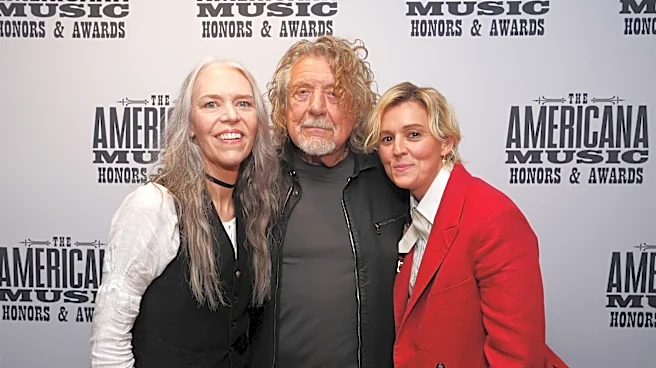
On a typical red carpet, the first question is always, “Who are you wearing?” At the Americana Awards, the answer is more likely to be a story than a luxury brand name. The style isn't about chasing glamour but reflecting an artist's genuine identity. Think less about borrowed diamonds and more about a grandfather’s watch or a hat from a favorite local artisan. This isn’t a rebellion against fashion; it’s a rejection of the idea that style must be dictated by stylists and luxury contracts. The clothing feels lived-in and personal—a worn leather jacket, a pair of perfectly broken-in boots, or a vintage dress with a history. The goal is to look like yourself, not a perfectly polished version of someone else. This aligns with the music itself, where raw honesty is valued above slick production. The result is a red carpet that feels less like a performance and more like a gathering of genuine individuals.
A Nod to Heritage, Not Trends
Americana fashion often draws from a deep well of American cultural history. You’ll see more nods to classic Western wear, durable workwear, and 1970s folk-rock icons than to the latest runway collections from Paris or Milan. This isn’t about being retro; it's about connecting to a tangible past. The aesthetic values practicality and utility, core tenets of historical American fashion. A custom suit might feature subtle Western-style embroidery, or a musician might pair a simple dress with sturdy cowboy boots. It’s a style built on enduring archetypes—the cowboy, the folk singer, the rocker—rather than fleeting seasonal trends. This reverence for roots is a direct parallel to the music, which often incorporates traditional sounds and storytelling forms into contemporary songs. The fashion, therefore, becomes an extension of the art, celebrating where the music comes from.
Personal Expression as the Ultimate Status Symbol
At the Oscars or the Grammys, status is often conveyed through exclusivity: wearing a one-of-a-kind couture gown or a priceless necklace. At the Americana Honors & Awards, the ultimate status symbol is individuality. The most memorable looks are often those that tell a specific story about the artist. It might be a custom-embroidered piece by a niche designer like Kathie Sever of Fort Lonesome, a killer vintage find, or a bold suit in a surprising color that perfectly captures an artist’s personality, like those often worn by Brandi Carlile or Allison Russell. It’s a space where artists feel comfortable taking risks that are personal, not just provocative. Rather than being constrained by what’s expected at a formal event, artists are free to express their creative spirit. This makes the Americana Awards red carpet one of the most interesting and unpredictable fashion events of the year, where substance truly defines style.