




The Quiet Retreat from Statement Accessories
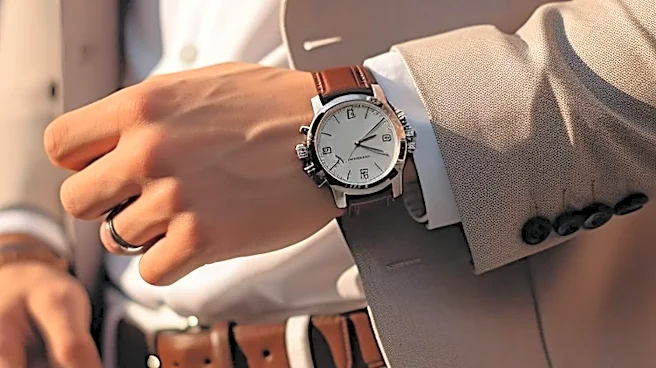
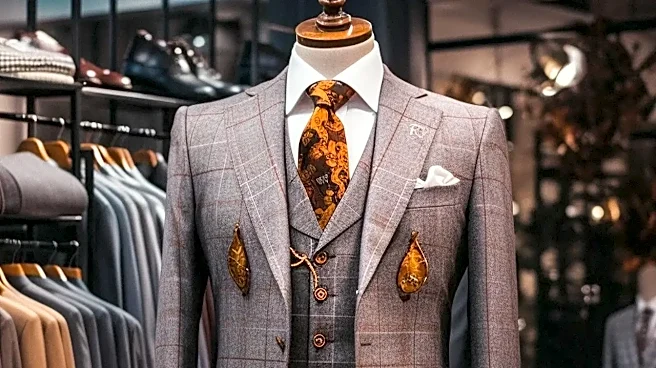
There was a time when the path to a memorable look was paved with accessories. A bright pocket square, patterned socks, or a chunky tie bar were the go-to tools for adding a dose of personality to conventional tailoring. This approach, rooted in a 'more
is more' philosophy, encouraged men to layer on details to stand out. But as menswear evolves, many are finding that true style isn't about the volume of what you add, but the quality of the foundation. The focus is pivoting from eye-catching extras to the very bones of the garment. This move toward a more minimalist or intentional look suggests a growing confidence, where personal style is communicated through subtle, structural choices rather than overt decoration. It’s a shift from 'look at what I’m wearing' to 'look at how this is made.'
So, What Is 'Architectural' Tailoring?
When we talk about the 'architecture' of a suit, we're talking about its fundamental structure—the elements that create its shape, drape, and silhouette. This isn't about trendy patterns, but timeless construction. Key to this is the internal canvas, a layer sewn between the outer fabric and the lining that gives the jacket its form and helps it mold to the wearer's body over time. A full or half-canvassed jacket will drape more naturally than a fused (glued) one, creating a cleaner line through the chest and a lapel that rolls beautifully instead of sitting flat. This architectural approach prioritizes clean lines, proportion, and how the fabric hangs and moves with you. The goal is a suit that frames the torso and creates a powerful, intentional silhouette without needing any help from a flashy tie.
The Shoulder and Lapel as the New Focal Point
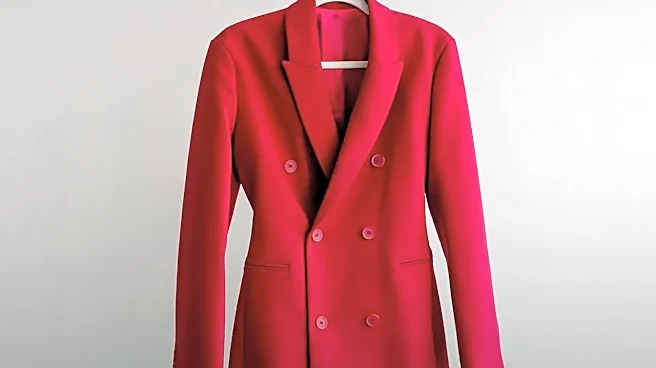
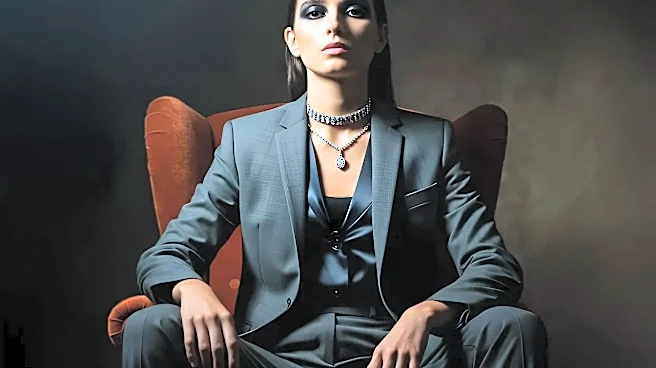
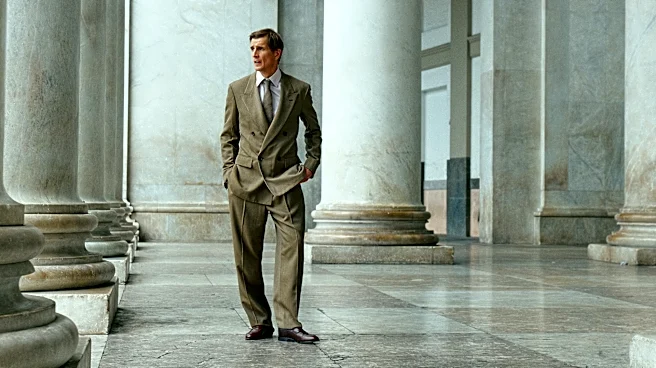
If a suit has a cornerstone, it’s the shoulder. The entire silhouette hangs from this single point. In recent years, tailoring has moved away from the aggressively slim fits of the 2010s toward more relaxed, yet still defined, proportions. This might mean a softer, more natural shoulder line that follows the body, or a slightly broader, more structured shoulder that conveys confidence. Either way, the intention is deliberate. Paired with this is the lapel. A well-constructed lapel has a gentle roll and its width helps balance the shoulders. Double-breasted styles, with their wider, peak lapels, are making a strong comeback, commanding attention through pure structure. These two elements, working in harmony, create visual interest and discipline that no accessory can replicate.
Fabric and Drape Over Flash
In a world with fewer accessories, fabric becomes the main event. Instead of a bold pattern, the focus shifts to texture and material quality—a rich velvet, a breathable linen blend, or a classic wool that drapes just right. These materials add depth and character, catching the light and moving in a way that provides visual interest. The rise of minimalist and seasonless fashion reinforces this, encouraging investment in fewer, higher-quality pieces made from durable, natural fabrics. A suit in a solid, earthy neutral like olive or camel can make a stronger statement through its tactile quality and elegant drape than a less substantial suit in a loud print. This approach is about appreciating the inherent beauty of the materials and the craftsmanship required to shape them.
How to Wear the Architectural Look
Adopting this mindset doesn't require a complete wardrobe overhaul. It’s about shifting your focus when you get dressed or shop. Instead of reaching for a tie, see how the suit looks with a simple, high-quality knit or a crisp open-collar shirt. Pay attention to how the jacket sits on your shoulders and how the trousers fall. When shopping, feel the fabric and look for signs of good construction, like a rolling lapel and a clean drape. A monochromatic look—pairing a suit with a shirt in a similar tone—is a modern way to emphasize silhouette. Ultimately, this trend is about the power of restraint. By stripping away the unnecessary, you allow the suit’s core design and quality to speak for themselves, projecting a quiet, unshakeable confidence.