



What's a Set Piece Anyway?
Simply put, a set piece is any time play restarts from a dead ball—meaning the ball is stationary. This happens after a foul, or when the ball goes out of bounds. While open play is chaotic and unpredictable, a set piece is a moment of control. It’s a rare
chance for teams to run a rehearsed, choreographed play, much like in football or basketball. That’s why coaches now have specialist staff dedicated just to perfecting them; they can be the difference between a frustrating draw and a tournament-winning goal.
The Corner Kick: Organized Chaos
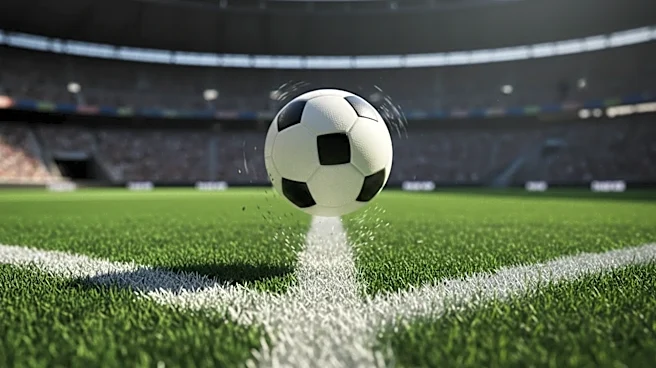
When the defending team kicks the ball over their own goal line, the attacking team gets a corner kick. The ball is placed in the little arc at the corner of the field, and the attacker kicks it into the penalty area. This is one of the most dangerous scoring opportunities. Watch for the different types of delivery: an “inswinger” curls toward the goal, making it tricky for the goalkeeper, while an “outswinger” curves away, making it easier for attackers to run onto the ball. Also, look for decoy runs, where players pull defenders away to create space for the real target.
The Free Kick: Direct Danger vs. Indirect Puzzle
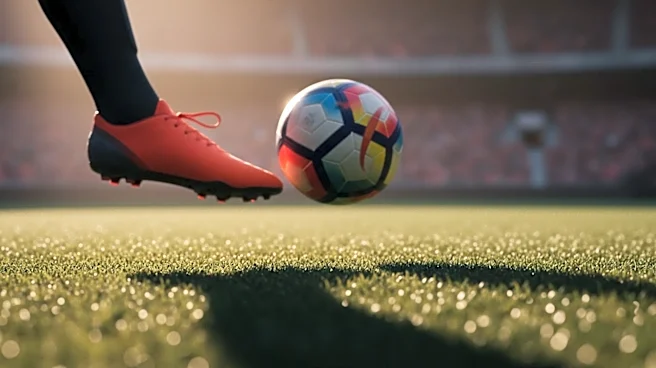
A free kick is awarded after a foul. The crucial thing to know is there are two types. A direct free kick, given for more serious fouls like tripping or a handball, means the kicker can shoot straight at the goal and score. This is where you see specialists curl the ball over or around the defensive wall. An indirect free kick is for lesser offenses, like dangerous play or obstructing an opponent. For this, the ball must touch another player (from either team) after the kick before it can be a goal. The referee signals an indirect kick by raising their arm straight in the air and holding it there until the second touch.
The Penalty Kick: The Ultimate Mental Duel
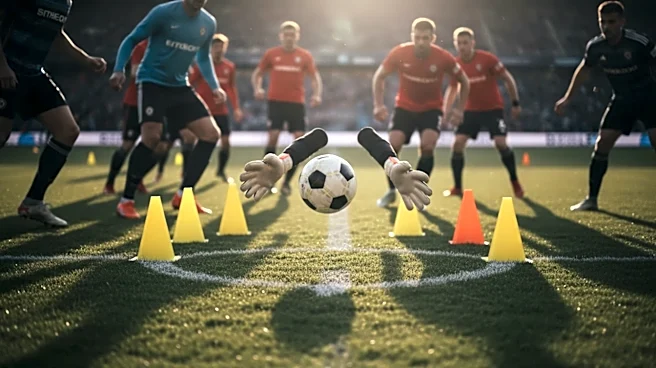
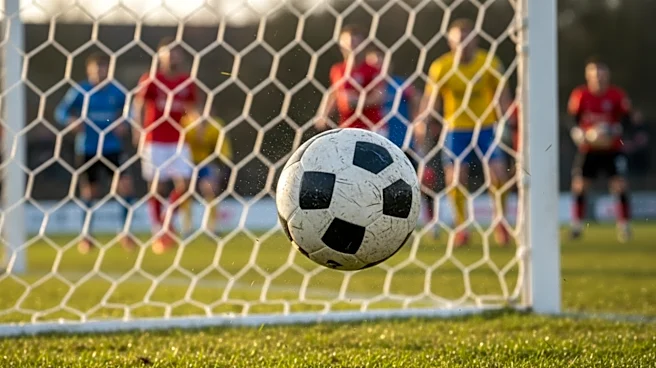
Awarded for a serious foul inside the defensive team's penalty box, the penalty is pure drama. It’s one attacker against one goalkeeper from just 12 yards out. While it looks easy, the mental pressure is immense. Studies show that players who rush their shot right after the referee’s whistle have a much lower success rate than those who take a second to compose themselves. For the goalkeeper, it's a guessing game. The ball travels too fast for them to react after it’s kicked, so they have to decide which way to dive beforehand. It’s a high-stakes psychological battle where confidence is everything.
The Throw-In: Soccer's Secret Weapon
When the ball crosses the sideline, it’s restarted with a throw-in. For years, this was just a simple way to get the ball back in play. Not anymore. Now, a long throw-in near the opponent's goal is treated like a corner kick. Teams with a long-throw specialist can launch the ball right into the penalty area, bypassing the midfield entirely and creating chaos for defenders who are used to dealing with crosses from feet, not hands. Pay attention to how teams position players to flick the ball on or pounce on the second ball that drops in the ensuing scramble.