


The New Halftime Show Is Another Live Stream
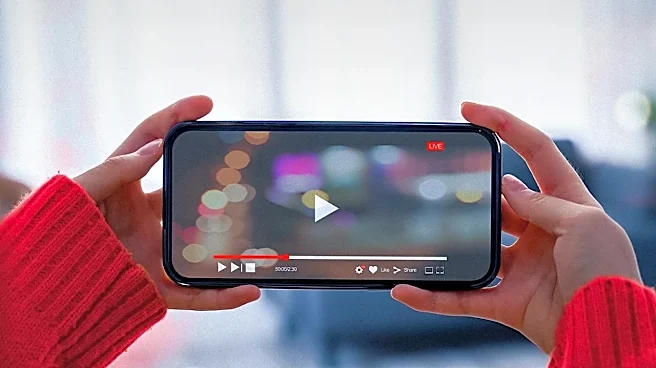
It’s a familiar scene in millions of American homes: a major live event is on the main screen—a championship game, a season finale, a political debate—but all eyes keep glancing down at a second device. For years, this was called the “second-screen experience,”
a term for passively scrolling social media while watching TV. Today, that second screen is no longer a distraction; it's the main event. Viewers are actively tuning into parallel livestreams on platforms like Twitch, YouTube, and TikTok, where their favorite creators are hosting unofficial commentary tracks. The professional, polished broadcast on television has become background noise to a more chaotic, authentic, and engaging conversation happening online.
Your Favorite Creator Is a Better Host
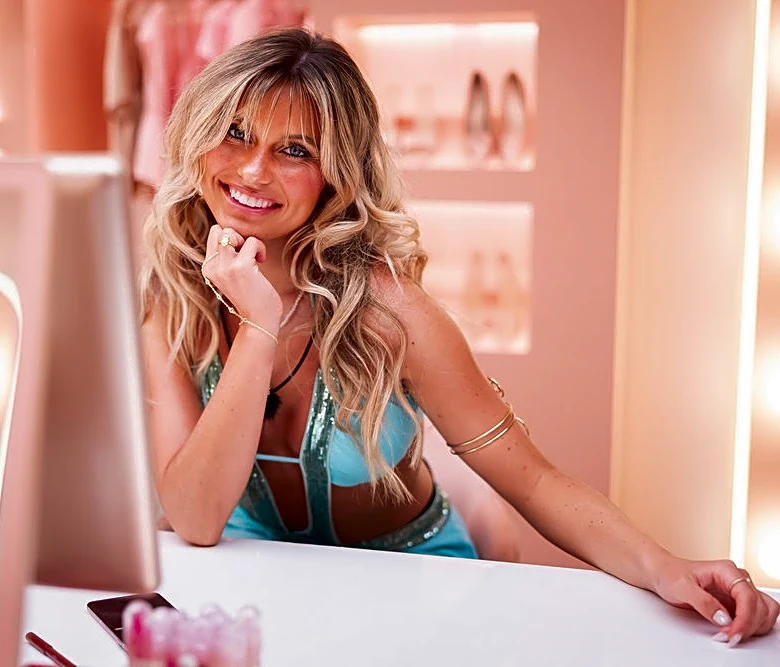
So why are people opting out of million-dollar productions for a streamer with a webcam? The answer is community and authenticity. Official commentators have to serve a broad, general audience, often sticking to a neutral, family-friendly script. A streamer, however, can cater to a specific niche. They can be unapologetically biased towards a team, reference obscure internet memes, and interact directly with their audience through live chat. This creates a powerful sense of intimacy and shared experience that traditional broadcasts can't replicate. It feels less like a top-down lecture and more like watching the game at a bar with your funniest friend, turning what was a one-to-many broadcast into a many-to-many celebration.
From Passive Viewers to Active Participants
This shift is about more than just finding a funnier announcer. It represents a fundamental change in how we consume media. The act of watching is becoming an act of participation. Instead of just receiving information, viewers are co-creating the experience by engaging in polls, asking questions, and reacting in real-time alongside the host and hundreds or thousands of others. This interactive layer transforms a passive evening on the couch into an active, communal event. Research and platform engagement show that this isn't just noise; it’s a deeper form of engagement that makes viewers feel more connected and invested in the content.
The Platforms Fueling the Party
Technology has been the driving force behind this trend. Platforms like Twitch have built-in features like "Watch Parties" that, while originally designed for specific content like Amazon Prime Video, have created a culture of co-watching. Even without official tools, creators have found workarounds, carefully synchronizing their streams with the live broadcast to avoid copyright issues while still providing a seamless experience for their fans. The legal and logistical hurdles remain, but the demand is undeniable. As streaming technology becomes more accessible, more creators are setting up their own virtual commentary booths, further decentralizing who gets to talk about our shared cultural moments.