


The Seasonal Tone Shift
Think of the movie calendar as having distinct seasons. Summer is for spectacle—loud, bright, and built for the biggest possible crowd. It’s the season of high-fructose corn syrup cinema, designed to entertain teenagers on break and families looking for air-conditioned
distraction. But fall is different. As the days get shorter and the weather turns, the multiplex undergoes a transformation. The cinematic equivalent of putting on a good sweater, the fall slate trades explosive action for simmering tension, broad comedy for sharp satire, and epic fantasy for intimate human drama. It’s the time of year when Hollywood assumes you have a slightly longer attention span and a taste for something more complex.
The Prestige Picture Parade
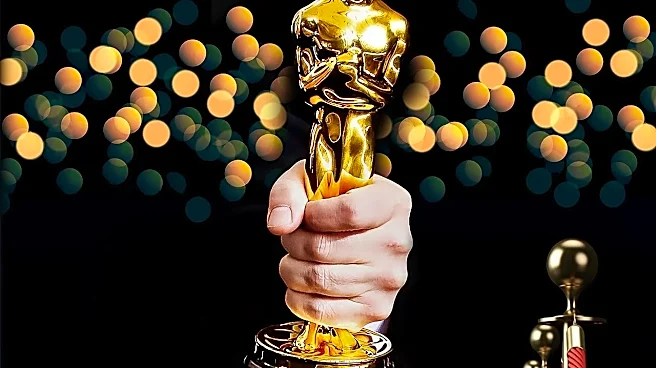
Let’s call it what it is: the start of awards season. Fall is when the studios strategically roll out their most critically ambitious films, hoping to build momentum for the Oscars. After a summer of franchise fare, the autumn months are dominated by “prestige pictures.” These are the movies powered by A-list actors in transformative roles, visionary directors, and scripts that tackle serious subjects. This year is no exception, with a slate that signals awards ambitions. We're seeing intense survival stories like “Heart of the Beast,” starring Brad Pitt as a man stranded in the Alaskan wilderness, and the surreal thriller “Primetime,” featuring Robert Pattinson. These are the films intended to generate buzz not just from audiences, but from critics and awards voters, creating a sense of occasion around moviegoing. Film festivals in Venice, Toronto, and Newport Beach become the launching pads for these conversations, turning the season into a months-long campaign for cinematic greatness.
More Than Just Oscar Bait
But it would be a mistake to write off the entire season as Oscar bait. Fall is also the prime territory for genres that thrive on atmosphere. Halloween brings a reliable slate of horror films, from franchise reboots like “Resident Evil” to original, director-driven scares. This year also sees the release of “Verity,” a tense thriller adapted from a bestselling novel, and the claustrophobic suspense of “Whalefall,” about a diver swallowed by a whale. Beyond horror, the season makes room for smart, adult-oriented stories that might get lost in the summer shuffle. It’s where you’ll find literary adaptations like a new take on “Sense and Sensibility,” nostalgic sequels like “Practical Magic 2” with Nicole Kidman and Sandra Bullock, and ambitious animated features like “Forgotten Island” that aren’t just for kids. It’s a broader, more diverse offering than people often realize.
An Experience Made for the Theater
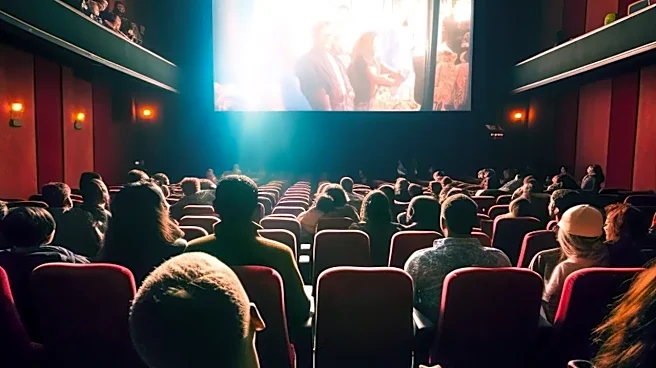
While summer blockbusters benefit from the biggest screen and loudest sound system, many fall films offer a different kind of theatrical reward: immersion. These are often movies that demand your undivided attention. The subtle shifts in a dramatic performance, the unsettling quiet of a horror film, or the intricate details of a period drama are best experienced in a dark room, away from the distractions of your phone and home. This is the season where the theater becomes less of a playground and more of a sanctuary. It’s a space for communal focus, where a shared gasp during a thriller or a collective silence at a film’s poignant end reminds you of the unique power of watching stories together. The shift away from pure spectacle toward nuanced storytelling makes the theater itself a more vital part of the experience.