







A Crown on the Carpet
At any major awards show, the fashion is dissected and discussed. But at the ESPYs, where the world’s most dominant athletes trade their uniforms for formalwear, the conversation often goes deeper than fabric and fit. For many Black athletes, the red
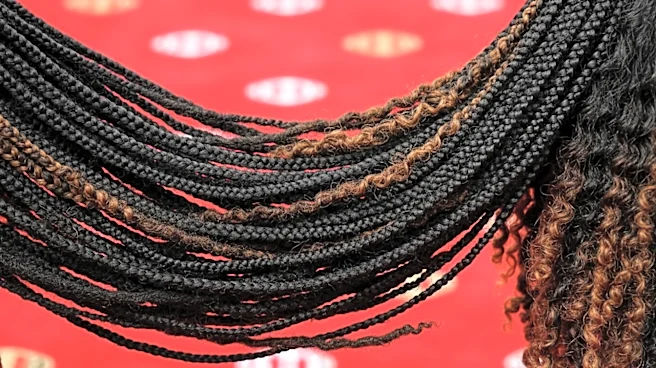
carpet is not just a runway but a platform. The intricate cornrows, elegant updos, sculpted locs, and voluminous afros are not merely style choices; they are powerful declarations of identity. These hairstyles are a visual celebration of Black history and artistry, presented in a space where athletes are celebrated for their physical prowess but are now also defining their own standards of beauty and professionalism. It's a moment to showcase a different kind of strength—the strength of heritage.
More Than Just Hair
To understand the significance, you have to look beyond the glamour. For centuries, Black hair has been politicized, policed, and misunderstood. Styles like braids, which in many African cultures signified status, tribe, or marital status, were later stigmatized. In America, Eurocentric beauty standards long deemed straight hair as the professional norm, pressuring Black men and women to alter their natural textures to fit in, both in corporate offices and on the athletic field. Choosing to wear natural hair, therefore, is an act of reclaiming a narrative. It’s a statement that says my natural self is worthy of celebration. This pushback against conformity is a form of cultural resistance and self-expression, asserting that Black beauty needs no outside validation.
The Athlete's Arena of Appearance
The pressure to conform has been particularly potent in the world of sports. Athletes' bodies are constantly under scrutiny, but so are their appearances. For generations, Black athletes, especially women, faced an unspoken expectation to be exceptional without being 'too Black'. Hairstyles were a primary battleground, often unfairly labeled 'distracting' or 'unprofessional'. From tennis star Serena Williams wearing braids and beads early in her career to challenge the sport's staid aesthetic, to gymnast Gabby Douglas facing criticism over her edges while making Olympic history, Black athletes have long navigated this complex terrain. When a football player with locs can have them legally pulled as part of a tackle, it underscores that hair is not treated as just hair—it's seen as an extension of the uniform, and sometimes, a liability. Thus, seeing these styles embraced on a celebratory night like the ESPYs is a defiant and joyful counter-narrative.
The CROWN Act and a Changing Tide
This red carpet visibility is happening alongside a significant legal and social movement. The CROWN Act, which stands for "Creating a Respectful and Open World for Natural Hair," is legislation that prohibits race-based hair discrimination in workplaces and schools. First passed in California in 2019, the act has been adopted by numerous states, making it illegal to deny opportunities because of hair texture or protective styles like braids, locs, and twists. Athletes, with their massive platforms, are powerful ambassadors for this shift. Their confident and unapologetic presence helps normalize natural hair for millions of fans and aspiring young athletes who may have faced prejudice in their own lives. It sends a clear message that excellence is not tied to assimilation. The styles seen on the carpet are a cultural echo of the progress being codified into law.