





The Ghost of Television Past
For decades, Halloween programming was a shared, linear experience. Networks understood how to build excitement by turning a portion of their calendar into a seasonal event. ABC Family (now Freeform) perfected this with its annual “13 Nights of Halloween,”
which began in 1998 and later expanded to “31 Nights of Halloween.” This block of programming wasn't just a random assortment of spooky movies; it was an anchor. Viewers knew that for two weeks, and eventually the entire month, they could tune in for a reliable dose of festive frights, from family favorites like 'Hocus Pocus' to horror classics. Similarly, Syfy’s “31 Days of Halloween” became a staple for horror fans, mixing theatrical premieres with original movies and themed marathons. These weren't just schedules; they were traditions. They created what the industry calls "appointment television," a reason to show up at a specific time, even when VCRs and DVRs were becoming common. The Halloween TV event gave the entire month a distinct media texture, a communal feeling that everyone was watching together.
Streaming's Calculated Nostalgia
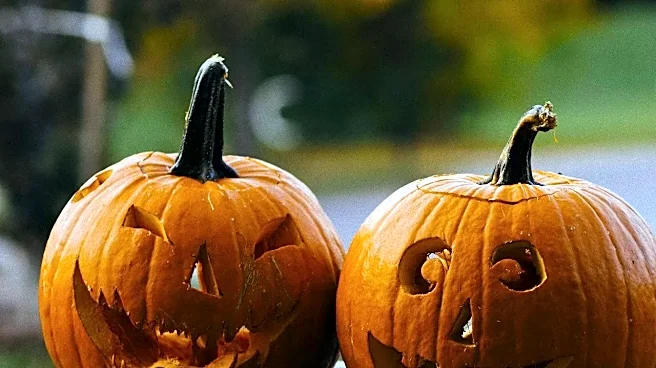
When streaming services promised a world without schedules, many assumed the curated, month-long TV event was dead. Instead, it was just resurrected. Today’s biggest platforms have fully embraced the classic network playbook for October. Netflix’s annual “Netflix & Chills” event now serves as a branded umbrella for its new and licensed horror content, complete with themed categories and a steady drip of releases throughout September and October. Other services have followed suit with their own catchy names, like Hulu’s “Huluween” and Disney+'s "Hallowstream." The horror-centric streamer Shudder has perhaps leaned in the hardest, building its entire identity around being a year-round destination that truly comes alive in the fall. Its “Season of Screams” event, which stretches for months, features weekly premieres, live watch parties, and the return of the fan-favorite “Ghoul Log”—a digital, 24/7 jack-o'-lantern that serves as ambient holiday decor. This isn’t just about having a large horror library; it's about packaging it. By creating a branded, month-long hub, streamers are manufacturing the very sense of occasion that linear TV once owned.
The Comfort of the Countdown
So why does this old model still work so well? The answer lies in a mix of psychology and media savvy. In an era of overwhelming choice—what critics call the paradox of choice—a curated, limited-time event provides a sense of order and guidance. It simplifies the decision-making process. Instead of navigating thousands of titles, viewers are presented with a manageable, festive collection. Furthermore, seasonal changes have a documented psychological impact, influencing mood and a desire for communal rituals. Autumn, in particular, is associated with transitions and gathering indoors, making it a perfect time for shared cultural experiences. The Halloween TV schedule, whether on a network or a streaming platform, taps into this collective feeling. It creates a low-stakes cultural conversation, giving audiences a shared touchstone in a fragmented media landscape. Watching the same batch of scary movies as everyone else provides a sense of community, even if you’re watching them at different times.
A Blueprint for a Fractured Audience
The success of the Halloween model reveals a broader truth about modern viewing habits: even with endless freedom, people still crave structure and shared experience. Streaming platforms have learned that simply hosting a massive library isn't enough; they need to create cultural moments. By “eventizing” their content, they generate buzz, encourage appointment viewing (or at least appointment binging), and foster the kind of social media chatter that once surrounded weekly broadcast television. This strategy is a direct response to the decline in live viewership ratings that has plagued traditional television. Halloween, with its built-in traditions and aesthetic, provides the perfect, low-risk laboratory for this kind of experiment. It proves that in the right context, the ghost of network scheduling isn't something to be exorcised. For streamers hoping to capture and hold a distracted audience, it’s a friendly spirit they’ve wisely invited into the house.