




The Sidekick Dilemma
The core problem is simple: the Minions were designed as perfect side characters. They are agents of chaos, delivering brilliant bursts of slapstick and gibberish without the burden of complex emotions or narrative arcs. This makes them universally appealing
and endlessly meme-able, but it also makes them difficult protagonists. Critics of the first standalone Minions movie in 2015 pointed this out, noting that characters designed for comic relief can struggle to carry an entire film's emotional weight. Without a central figure to play off of, their antics risk becoming a series of disconnected sketches rather than a cohesive story. They never truly learn or change, which is the hallmark of a sidekick, not a hero.
Gru as the Franchise's Secret Weapon
This is why Felonious Gru is the franchise's most valuable asset. The entire emotional engine of the main Despicable Me films runs on his transformation from a world-class supervillain to a reluctant, loving father. His journey provides the narrative spine and heart that the Minions, by their very nature, cannot. He is the protagonist the story needs, allowing the Minions to function as they were intended: as hilarious, scene-stealing agents of his will. The spin-off films even highlight this dependency; both Minions and Minions: The Rise of Gru are structured around the yellow creatures' search for a villainous master to serve, effectively seeking a temporary Gru to give them purpose.
The Quest for Narrative Novelty
With each sequel, the pressure mounts to find new ways to deploy the Minions without repeating the same gags. Reviews for the most recent installments, including Despicable Me 4, often touch on a feeling of franchise fatigue, where the plot feels overstuffed with new characters and subplots in an effort to keep things fresh. Critics noted that Despicable Me 4 sometimes felt like several different episodes crammed into one movie, a sign of the strain in balancing the core family story with the obligatory Minion shenanigans. The introduction of concepts like the 'Mega Minions' is a clear attempt to evolve their function, but reviewers were split on whether it felt like a meaningful addition or simply a marketing gimmick.
The Path Forward: Embracing the Formula
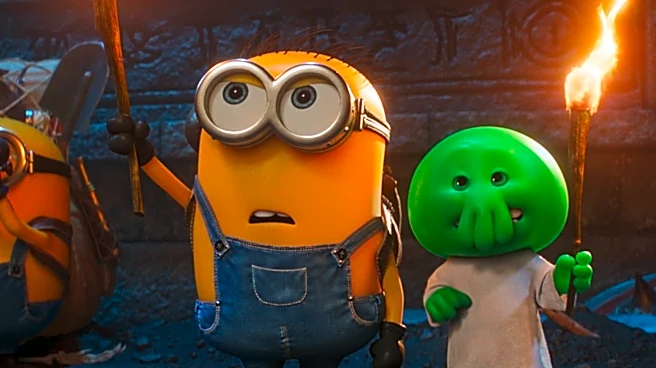
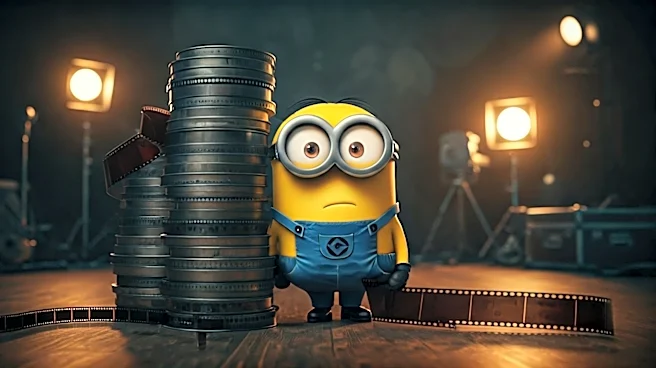
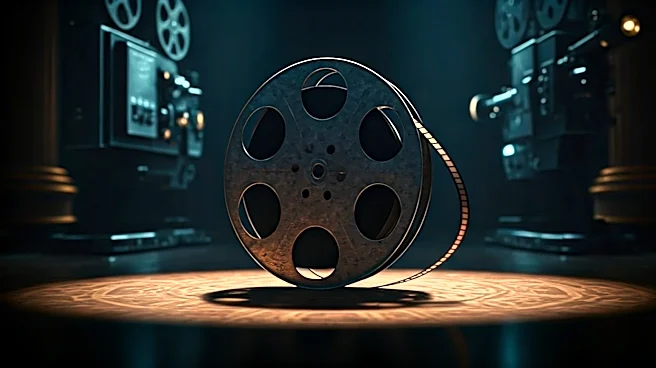
Interestingly, the franchise may have found a clever path forward by leaning into its own artifice. The upcoming prequel, Minions & Monsters, is reportedly a love letter to Old Hollywood, casting the Minions as accidental silent film stars. This premise is uniquely suited to them, as their reliance on physical comedy and non-verbal cues makes them perfect analogues for icons like Charlie Chaplin or Buster Keaton. By placing them in a context where their limitations become a strength, the filmmakers can explore new creative territory. This approach doesn't solve the core 'sidekick problem' so much as it sidesteps it, finding a narrative framework where the Minions' specific brand of chaos feels not just welcome, but essential. It suggests the franchise's legacy isn't about fixing its central problem, but about finding increasingly inventive ways to celebrate it.