
The Blueprint for Shock Value
At the very first VMAs in 1984, a 26-year-old Madonna set the template for controversy as career fuel. Performing "Like a Virgin" in a wedding dress, she lost a shoe and, thinking quickly, decided to roll around on the stage to retrieve it, accidentally
revealing her undergarments in the process. While some industry insiders reportedly told her manager her career was over, the opposite happened. The performance, deemed sexually provocative for its time, established her as a fearless cultural renegade who challenged norms around female expression. It wasn't just a performance; it was a declaration of independence that transformed her into a global superstar and cemented the VMAs as a destination for moments that get the world talking.
The Unscripted Interruption
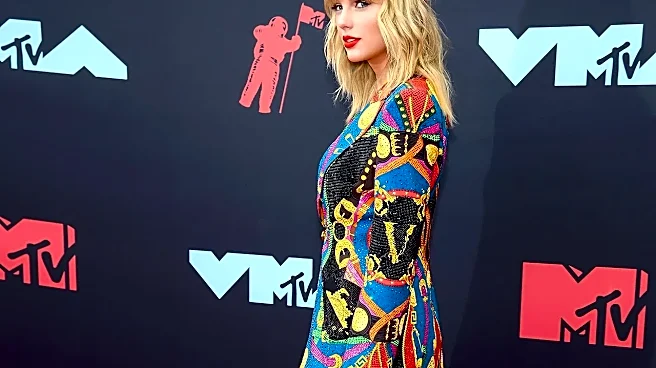
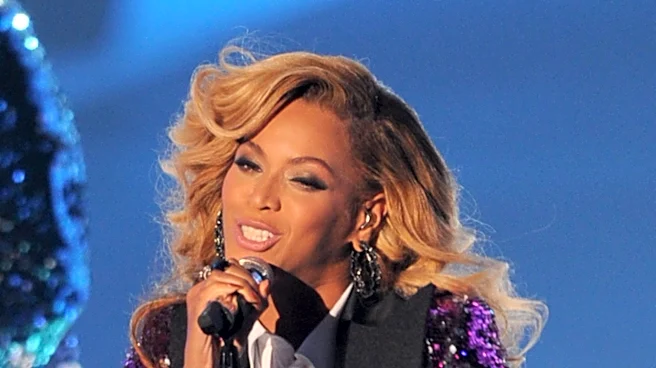
Perhaps no VMA moment is more infamous than Kanye West's interruption of Taylor Swift's acceptance speech in 2009. When a 19-year-old Swift won Best Female Video, West stormed the stage, grabbed the mic, and declared that Beyoncé's video was more deserving. The incident immediately became a cultural flashpoint, defining both artists for years to come. For Swift, it cast her as the sympathetic victim, a narrative she initially embraced before fighting to be excluded from it. For West, it amplified his public persona as a fearless but disruptive truth-teller. The feud evolved over the next decade through songs like Swift's "Innocent" and West's "Famous," becoming a long-running saga where both artists used the moment to shape their public identities—one as a master of narrative resilience, the other as an uncompromising provocateur.
The Calculated Rebranding
Sometimes, a VMA controversy is less an accident and more a deliberate career pivot. In 2013, Miley Cyrus used her performance with Robin Thicke to shatter her wholesome Disney Channel image once and for all. Her provocative twerking and foam-finger antics dominated headlines, sparking outrage from some viewers. But Cyrus herself later confirmed the intent behind the spectacle, stating, "Me and Robin, the whole time, said, 'you know we're about to make history right now?'" She consciously followed the blueprint set by artists like Madonna and Britney Spears, using shock to signal a new, more adult artistic direction. The performance was a turning point that successfully distanced her from her past, and she later said it inspired her to use her massive platform for activism, leading her to launch the Happy Hippie Foundation.
The Legacy-Defining Spectacle
For an artist like Britney Spears, the VMA stage has charted the entire arc of her career. Her 2001 performance of "I'm a Slave 4 U," featuring a live python draped over her shoulders, is one of the most iconic in the show's history. It was a spectacle of pure star power that cemented her transition from teen pop princess to a more mature and daring performer. Just two years later, her kiss with Madonna in 2003 was another headline-grabbing moment. However, the VMA stage also reflected her struggles. Her 2007 performance of "Gimme More" was meant to be a comeback but was widely criticized and occurred during a period of intense personal turmoil. In her memoir, Spears explained she never wanted to do the performance and had a panic attack beforehand. Together, these moments don't just stand alone; they form a narrative of triumph, rebellion, and vulnerability that mirrors her public journey.