





The Age of Instant Gratification
Not long ago, streaming felt like a magic trick. An entire season of television, once rationed out by networks over several months, could be devoured in a single weekend. Netflix didn't just pioneer this 'binge model'; it fundamentally rewired our expectations
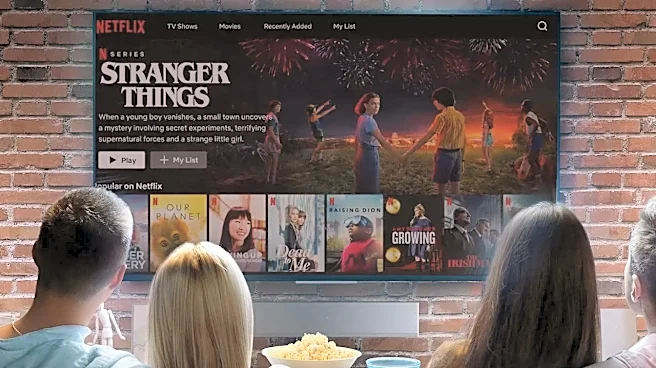
for consuming stories. This all-at-once strategy is built for speed and immediate impact. It caters to our desire for instant gratification and allows a show to absolutely dominate the cultural conversation for a fleeting, intense period. Shows like 'Squid Game' and 'Stranger Things' became global phenomena overnight precisely because viewers could consume them at their own pace, creating a massive, concentrated burst of social media buzz and viewership. For streamers, the binge model drives addiction, high initial engagement, and can make a show feel like an unavoidable event.
The Case for the Slow Burn
But the sugar rush of a binge has a comedown. A show that everyone discusses for 72 hours can be forgotten by the next week. This has led to a powerful resurgence of the weekly, or 'drip,' release schedule. This traditional model, once seen as a relic of cable television, has proven remarkably effective in the streaming era for building sustained hype. A weekly release gives episodes room to breathe. It fosters fan theories, online debates, and ensures a show remains part of the cultural dialogue for weeks or even months. More importantly for the platforms, it keeps subscribers coming back. Research shows that while binge-watching attracts viewers initially, a gradual release schedule dramatically boosts long-term engagement and retention, making users more likely to explore other content and keep their subscriptions active.
October's Crowded Battlefield
This strategic dilemma becomes particularly intense during a packed release month like October. With dozens of new and returning shows competing for limited viewer time, a single release strategy is a massive gamble. A binge-released series risks being a flash in the pan, swallowed by the next big premiere a week later. Conversely, a weekly show can struggle to maintain momentum amidst the constant noise of shiny new competitors. Viewers might lose track or simply decide to wait until the full season is available to binge, defeating the purpose of the weekly schedule. The fight is no longer just for a viewer's subscription fee, but for their sustained attention in a landscape of near-infinite choice.
The Rise of the Hybrid Model
Increasingly, the smartest streamers are realizing the debate isn't about choosing binge or weekly; it's about finding a strategic middle ground. Enter the hybrid model. This can take many forms: dropping the first two or three episodes to get viewers hooked, then switching to a weekly schedule, as seen with shows like Amazon's 'The Boys'. Another approach, used by Netflix for hits like 'Arcane', involves releasing the season in distinct multi-episode batches. Some platforms like Prime Video have even adopted a 'graduation' strategy, launching a new show with a full-season binge to build a fanbase, then switching to weekly releases for subsequent seasons to maximize longevity and discussion. This flexible approach attempts to capture the best of both worlds: the initial splash of a binge release with the sustained engagement of a weekly rollout.