





1. The Tunnel Walk is the New Red Carpet
Forget the pre-game huddle; the most important minute for style happens in the concrete tunnels of the stadium. This is the 'tunnel walk,' where players arrive, not in their team uniforms, but in their own clothes. It’s a candid, high-stakes catwalk moment
captured by dozens of cameras. Players use it to debut custom pieces, show off luxury brand partnerships, and establish their personal style identity. Pay attention to figures like France's Jules Koundé, known for his avant-garde, runway-inspired looks from brands like Prada and Marine Serre, or England's Jude Bellingham, who favors understated luxury from Louis Vuitton. It’s where sport and high fashion officially collide before a single ball is kicked.
2. The On-Pitch Style Icons to Watch
While they have to wear a uniform on the field, a player's personal brand is built off it. The modern soccer star is a style influencer with millions of followers. Leading the pack is Héctor Bellerín, a Spanish player so fashionable he’s walked the runway for Louis Vuitton. He champions sustainable brands and gender-fluid silhouettes. Others to follow include USMNT's Weston McKennie, who leans into bold streetwear, and South Korea’s Son Heung-min, a brand ambassador for Burberry and Calvin Klein, known for his clean, classic style. Following their Instagram accounts during a tournament is like getting a curated feed of global menswear trends.
3. The Uniform as a Fashion Statement
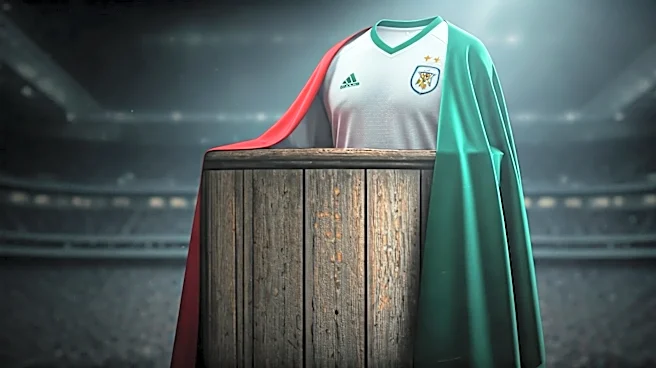
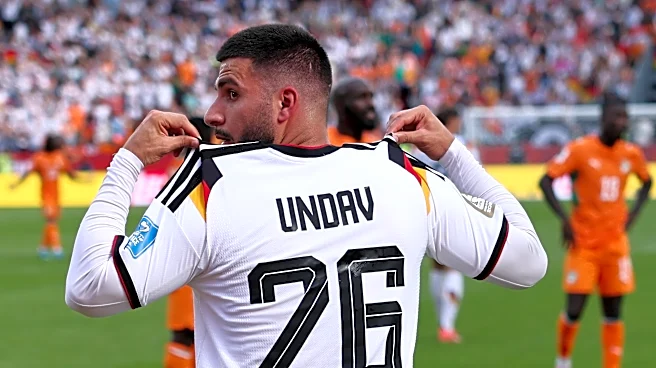
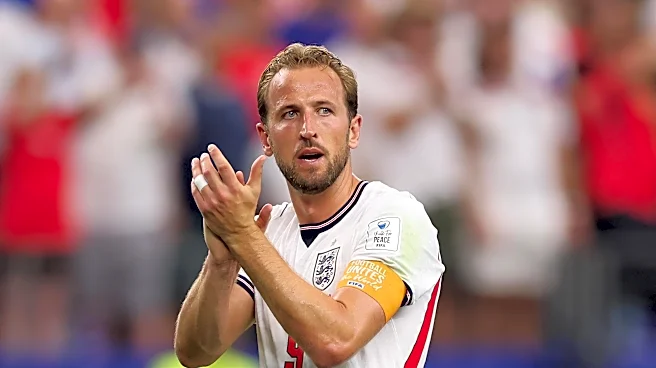
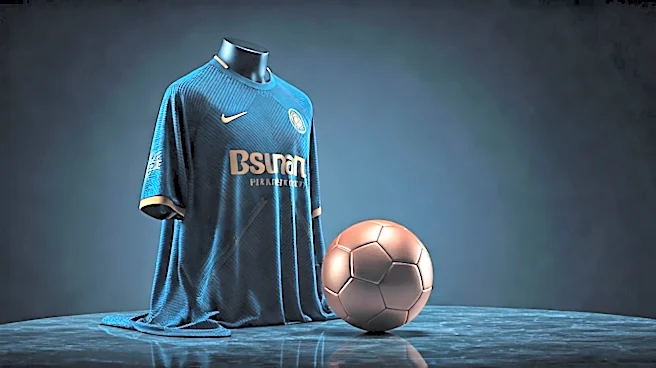
In fashion, it’s a 'kit.' In America, it’s a 'jersey' or 'uniform.' Either way, the national team kit is the single most important garment of any tournament. Designers at Nike, Adidas, and Puma spend years developing these collections, blending national heritage with modern design trends. Some become instant collector’s items, like Nigeria’s vibrant 2018 World Cup kit, which sold out globally in minutes. Others, like Japan’s recent origami-inspired designs, are praised for their artistry. Even if you don’t have a team, you can pick one based on aesthetics. Italy’s 'Azzurri' blue is a perennial classic, while the Netherlands’ bright orange is always a standout.
4. Luxury Brands Are Getting in the Game
The world’s most prestigious fashion houses now see soccer clubs as moving billboards for their brands. It’s no longer just about sneaker deals. Top-tier teams now have official 'formalwear partners.' Real Madrid travels in custom Zegna suits. Paris Saint-Germain, a club synonymous with style, has a partnership with Dior. Inter Milan is outfitted by Moncler for its off-field appearances. This isn't just about putting players in nice clothes; it's a strategic move to align the raw, athletic energy of soccer with the aspirational cool of high fashion. Watch for the team photos as they step off the bus—that’s where you’ll see the Zegna cashmere and Dior tailoring.
5. Don't Forget the Manager's Sideline Style
The players get the glory, but the managers prowling the sidelines offer a masterclass in functional, high-pressure style. Their looks have to withstand 90 minutes of nervous pacing, rain, and celebratory embraces. Some, like Italy's manager, often opt for impeccable Italian tailoring. Others, like Germany’s former coach Joachim Löw, became famous for a simple, perfectly-fitted cashmere sweater. The manager's uniform—whether it's a sleek tracksuit, a sharp suit, or a simple quarter-zip—is a statement of intent. It says, 'I am in control.' It's a different, more mature kind of sports fashion, but no less compelling.