

From Souvenir to Statement
For decades, the concert T-shirt was a simple transaction: a cotton billboard that screamed, “I was there.” It was a physical receipt for a memory. But at an event as sprawling and culturally significant as Nashville's CMA Fest, that model has evolved.
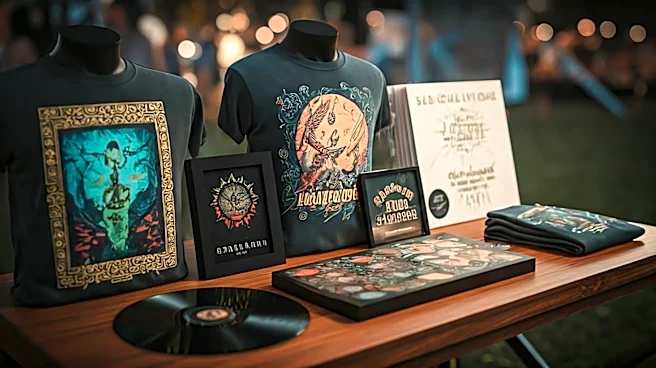
The merchandise flooding Lower Broadway isn't just a souvenir; it's a statement of allegiance. It’s the difference between buying a postcard from a city and wearing a neighborhood patch that only locals understand. The Country Music Association and the artists who participate have realized that merchandise is no longer a passive revenue stream. It's an active part of the fan experience, a tangible piece of the narrative that artists are building on stage, on social media, and on their albums. A fan isn't just buying a shirt; they're buying into a story.
The Artist's Brand in a Bag
Think about the most distinctive artists in country music today. They have a brand, a specific aesthetic, and a point of view. Their merchandise is where that brand becomes wearable. For an artist like Lainey Wilson, it’s not just a T-shirt with her face on it; it’s a design that incorporates her signature bell bottoms or a catchphrase from her latest hit. For someone like Luke Combs, whose persona is built on being an everyman, a simple, high-quality beer-koozie or a classic trucker hat feels authentic. This isn't accidental. Artists and their teams spend considerable time crafting merch that reflects their current musical era. A design might feature a subtle icon from an album cover, a lyric that has become a fan mantra, or a color scheme that matches their stage setup. This transforms a T-shirt from a generic piece of clothing into a chapter of the artist's ongoing story, allowing fans to quite literally wrap themselves in the music they love.
The 'If You Know, You Know' Economy
The most effective modern merchandise operates on an “IYKYK” (If You Know, You Know) basis. Instead of a massive, obvious logo, the coolest merch often features a cryptic phrase, a small, embroidered symbol, or an inside joke that only dedicated fans will recognize. This is storytelling at its most sophisticated. Wearing this kind of gear is like a secret handshake. It signals to other fans that you're not a casual listener; you’re part of the inner circle. You’ve listened to the deep cuts, you’ve watched the interviews, and you understand the reference. This creates an immediate bond between strangers, turning a crowded festival into a collection of micro-communities. At CMA Fest, you can see these tribes forming in real time—a cluster of Jelly Roll fans in one line, a group of Carly Pearce followers in another—all identified by the subtle cues on their clothing. This sense of belonging is far more valuable and enduring than any simple logo.
Extending the Experience Beyond Nashville
The true genius of this strategy is that its impact lasts long after the final encore. When fans take their merchandise home, the story continues. That hat or hoodie becomes a conversation starter at a grocery store in Ohio or a bar in California. It's a beacon that helps fans find each other in the wild, reinforcing their identity and their connection to the artist. Every time they wear it, they’re reliving the memory of the festival and re-broadcasting the artist’s brand to a new audience. For the artist, this is invaluable organic marketing. For the fan, it’s a way to keep the spirit of CMA Fest alive until the next year. The merchandise doesn't just commemorate the event; it extends it, turning a four-day festival into a year-round community held together by cotton and ink.