







A Vision Beyond Rock and Roll
In the fall of 1958, Buddy Holly was at a career crossroads. He had rocketed to fame with The Crickets, churning out classics like “That’ll Be The Day” and “Peggy Sue.” But behind the scenes, things were changing. He had split from his longtime producer
Norman Petty and the original Crickets, moved to a Greenwich Village apartment in New York City with his new wife, María Elena, and was brimming with new musical ideas. Holly, the 22-year-old Texan who put rock and roll on the map, was already looking to transcend it. He was tired of the industry machine that had initially tried to mold him and then tried to keep him in a box. He envisioned a more sophisticated sound, one that blended the raw emotion of rock with the lush, complex textures of a classical orchestra. It was a radical concept for a star of his stature, and one his record label, Coral Records (a subsidiary of Decca), was not prepared for.
The Legendary 'Apartment Tapes'
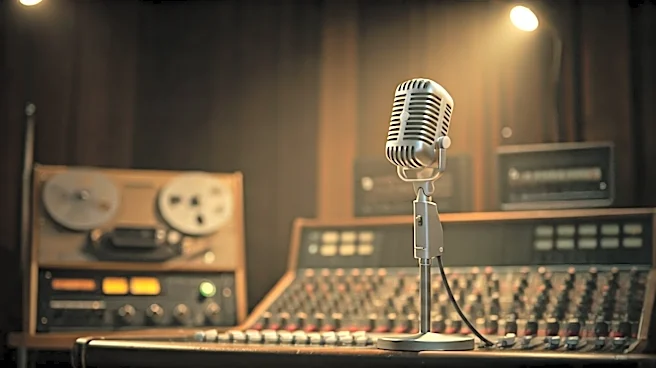
The project began not in a grand studio, but in the intimacy of his own home. Between December 1958 and January 1959, using a new Ampex tape recorder, Holly laid down a series of stark, haunting demos. With just his acoustic guitar for accompaniment, he recorded new compositions like “Crying, Waiting, Hoping” and “Learning the Game,” alongside a stunning sequel to his biggest hit, “Peggy Sue Got Married.” These recordings, now famously known as the “Apartment Tapes,” were never meant for the public. They were sketches, intimate and unvarnished, a direct line into his creative process. He captured the melodies and lyrics that would form the foundation for his most ambitious project yet. Before leaving for the ill-fated Winter Dance Party tour, Holly handed his one and only copy of these tapes to producer Dick Jacobs, the man tasked with writing the orchestral arrangements.
The Studio's Shock
The formal recording session took place on October 21, 1958, at the Pythian Temple studio in New York. Holly, backed by the 18-piece Dick Jacobs Orchestra, recorded four songs. Three of them—Paul Anka’s “It Doesn’t Matter Anymore,” and the Bryant-penned “Raining in My Heart,” and Holly's own “True Love Ways”—would become iconic. The sound was unlike anything in rock and roll at the time. The sweeping strings and dramatic arrangements were a world away from the lean, guitar-driven sound fans knew. To the executives at Coral Records, it was commercial suicide. They saw Holly as a guaranteed hitmaker within a specific, profitable formula. This new, elegant sound was a gamble they believed would alienate his teenage fanbase. While they didn't shelve the project entirely, their lack of enthusiasm was palpable. They simply didn’t understand the artistic leap Holly was making.
Vindicated by Time
Tragically, Buddy Holly would not live to see his vision validated. He died in a plane crash on February 3, 1959, just weeks after recording the last of his apartment demos. In the wake of his death, the label he had been at odds with began releasing the very music they had been so hesitant about. “It Doesn't Matter Anymore” backed with “Raining in My Heart” was released just a month after the crash and became a massive transatlantic hit, topping the charts in the U.K. “True Love Ways” followed, becoming one of his most enduring and beloved ballads. The raw demos from the Apartment Tapes were later overdubbed by producer Norman Petty and others, providing a steady stream of “new” Buddy Holly material for a decade after his death. The songs the studio thought would never sell ultimately cemented his legacy as a true innovator, a pioneer whose artistry was only just beginning to unfold.