



1. Jeans and Trousers
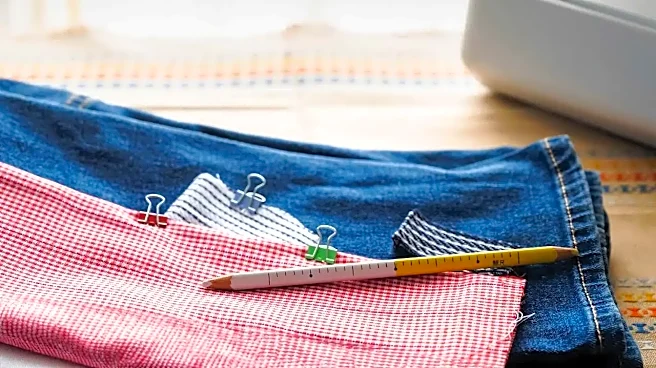
A pair of pants that fits perfectly in the hips but gaps at the waist or puddles on the floor is one of the most common wardrobe issues. It's also one of the easiest to fix. Hemming is a simple, affordable alteration that instantly makes you look more
put-together, ensuring your pants fall cleanly over your shoes. Taking in the waistband is another game-changer, eliminating the need to constantly pull up your pants or hide a gap with a belt. For a more modern silhouette, a tailor can taper a wider leg from the knee down. These adjustments are usually straightforward because they follow existing seams, making trousers and jeans one of the most high-impact items to alter. Because these are staples you wear frequently, the cost-per-wear of a small tweak is incredibly low.
2. Blazers and Jackets
Nothing elevates an outfit quite like a well-fitted blazer, and nothing ruins a look faster than one that's too big. Off-the-rack jackets are rarely perfect, but a few key alterations can make an inexpensive piece look bespoke. The most common and impactful fix is adjusting the sleeve length. Sleeves should end around the wrist bone, allowing about half an inch of your shirt cuff to show. Another crucial adjustment is taking in the side or back seams to eliminate a boxy look and create a defined waist. While more complex (and expensive), shoulder adjustments can sometimes salvage a jacket that's too wide, but this involves significant reconstruction and isn't always worth the cost on a lower-priced item. Simple fixes like sleeve and waist adjustments, however, deliver a massive return on investment, improving comfort, confidence, and versatility.
3. Button-Down Shirts
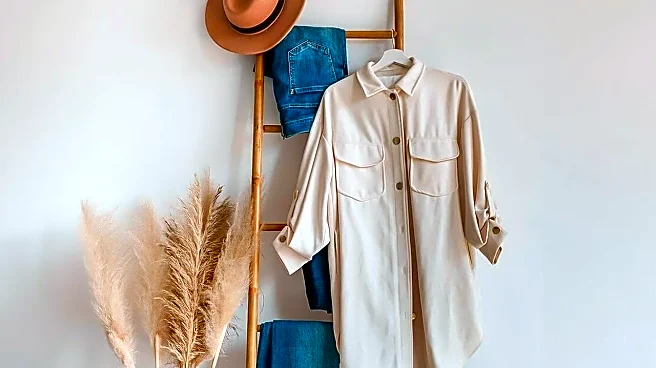
The classic button-down shirt often presents a fit dilemma: to get it to fit your shoulders or bust, you're left with a billowy parachute of fabric around your midsection. This is where a tailor can work wonders. Taking in the side seams is a common alteration that removes the extra fabric for a slimmer, more defined silhouette. For an even more contoured fit, a tailor can add darts to the back, which are small, tapered tucks that shape the shirt to your body. Sleeve length is another easy fix that prevents a sloppy, bunched-up look at the wrist. These changes transform a standard shirt from something that just 'covers' you into a piece that truly flatters your shape, making you look sharper whether it's tucked in or worn out.
4. Dresses and Skirts
Nearly everyone has a dress or skirt they love for its color or fabric but never wear because something is slightly 'off.' Often, it's the length. Hemming a dress or skirt to hit the most flattering point on your leg is a transformative alteration. A waist that's too loose or too tight can also be easily adjusted. For dresses, slipping straps or a gaping neckline can be fixed by shortening the straps or making small adjustments to the bodice. These seemingly minor fixes can dramatically improve the comfort and appearance of the garment, turning an 'almost-perfect' piece into a go-to favorite. Because dresses and skirts can be trickier to fit off the rack, tailoring is often the key to unlocking their full potential.
5. Coats and Outerwear
A quality coat is an investment piece you can wear for years, which makes it an excellent candidate for alterations. Since you often wear a coat over other layers, fit is paramount for both comfort and style. Like blazers, sleeve length is a common and important adjustment to prevent your hands from getting lost in the fabric. Many people buy coats a size up to allow for sweaters underneath, which can result in a boxy shape. A tailor can take in the waist or back seams to create a more flattering silhouette without sacrificing roominess. Shortening the overall length can also improve the coat's proportions, especially if it was designed for someone taller. Given the long lifespan of a good coat, the cost of tailoring is a small price to pay for a decade of perfect fit.