
From Ocean Dip to Cult Product
For years, the secret to coveted surfer hair was an actual trip to the beach. Stylists and their clients noticed that a day spent in salt water gave hair a unique texture, volume, and a perfectly imperfect wave. Inspired by this phenomenon, some stylists
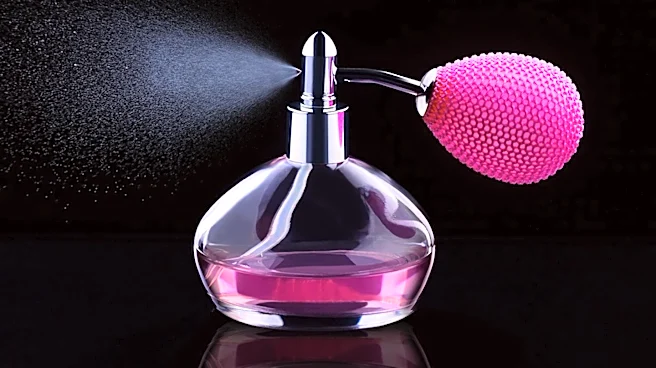
even bottled their own seawater concoctions for photoshoots. Recognizing the demand, brands like Bumble and Bumble and John Frieda were among the first to commercialize the concept in the late 1990s and early 2000s, launching products like Surf Spray and Beach Blonde Ocean Waves. These initial sprays created an entirely new category in hair care, moving beyond traditional gels and hairsprays to offer something completely different: texture.
The Simple Science of Texture
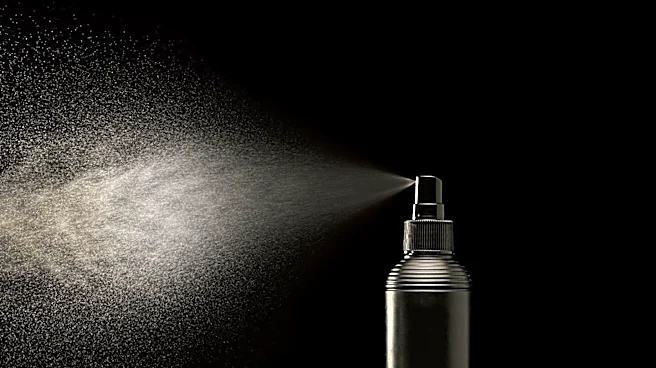
So, how does it work? The magic is in the salt. When you spray it on your hair, the water in the formula evaporates, leaving behind salt crystals. These crystals absorb the natural oils and moisture from the surface of your hair strands, which can weigh them down. This process roughs up the hair cuticle slightly, creating separation between strands and giving the hair more grit, body, and a matte finish. The result is enhanced volume and a boost to your hair's natural wave or curl pattern, mimicking that fresh-from-the-ocean effect without the sand and sun.
A Cultural Shift to 'Undone' Style
The rise of sea salt spray wasn't just about a new product; it reflected a major shift in beauty standards. The rigid, perfectly coiffed looks of the '80s and the ultra-sleek, flat-ironed styles of the early 2000s began to give way to a more natural, low-maintenance aesthetic in the 2010s. The “undone” look became the new ideal. Sea salt spray was the perfect tool for this era, allowing people to achieve an intentionally styled look that appeared effortless. It celebrated imperfection and movement, moving the focus from control and hold—the domain of traditional hairspray—to touchable texture and flow. This pivot democratized styling, making a chic, lived-in look achievable for everyone, not just those leaving a salon.
The Evolution of the Formula
While early sea salt sprays were revolutionary, their primary ingredient—salt—can be drying. Overuse could leave hair feeling brittle. As the category matured, brands began innovating, creating more sophisticated formulas. Modern sea salt sprays are often much more than just salt and water. Many now include hydrating and conditioning ingredients like aloe vera, sea kelp extract, argan oil, and other botanicals to counteract the drying effect of the salt. Some even use alternatives like Epsom salt (magnesium sulfate) or sugar for a softer texturizing effect. This evolution has turned the simple spray into a versatile tool that not only styles but also cares for the hair, broadening its appeal and solidifying its place as a modern hair care essential.