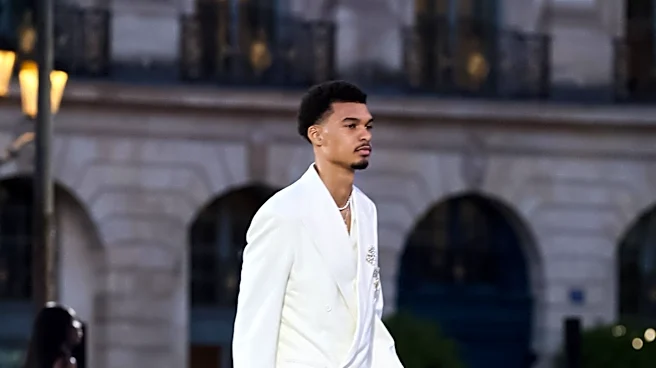

The Runway: A Fantasy with a Purpose
Twice a year, in April and October, the bridal industry descends upon New York City. For designers, the runway show is the grand unveiling—a carefully orchestrated spectacle designed to generate press, social media buzz, and capture the imagination of
editors and buyers. The gowns shown are often the most dramatic, couture-like expressions of a collection. They are 'showpieces' meant to communicate a powerful creative vision, not necessarily to be sold as-is. For the buyers from bridal boutiques across the country, the runway is a crucial first look. They aren't just watching a show; they are spotting trends, gauging the designer's new direction, and mentally flagging which looks might resonate with their customers back home.
The Showroom: Where Business Begins
The real work starts after the runway lights fade. In the days that follow, buyers attend a packed schedule of private, one-on-one appointments in designers' showrooms or dedicated market suites. These appointments, which can last from 45 minutes to several hours, are where the fantasy of the runway meets commercial reality. Here, away from the spectacle, buyers can finally touch the fabrics, examine the construction up close, and see how the gowns move on a model just feet away. This is their chance to ask detailed questions about customization, materials, and internal structure. The energy shifts from passive viewing to active evaluation.
From Vision to Version: The Commercial Translation
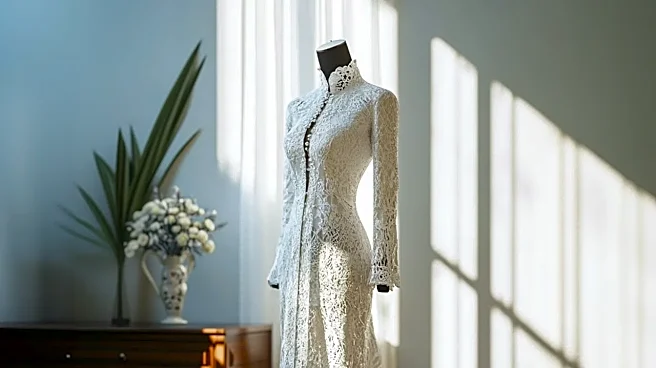
A gown that captivates on the runway is often not the exact gown that a boutique will order. The original piece might have a fifteen-foot train, a neckline too plunging for most ceremonies, or be made from a fabric too delicate or expensive for commercial production. During the market appointment, the conversation turns to modification. Designers often present a 'commercial' interpretation of their runway vision alongside the showstopper. Buyers and designers collaborate, discussing changes to make a gown more wearable and accessible. This can mean raising a neckline, shortening a train, offering it in a different color, or swapping an elaborate hand-beading for a more cost-effective lace. This process is essential to transform a creative statement into a product that can be reliably produced and sold at a target price point.
Placing the Order: The Art of the Buy
Armed with sales data from their own stores, a deep understanding of their clientele, and a budget that can range from $40,000 to over $100,000 for the week, buyers make their selections. A typical boutique's order, or 'buy,' is a strategic mix. It might be 60 percent proven bestsellers and 40 percent new, trend-forward styles that brides have started asking for. The buyer doesn't just pick a dress; they decide on the specific size and color for the store's sample. Orders are placed based on the designer's minimum order quantities (MOQs) and delivery windows. The signed purchase order is the culmination of the entire market process—a formal contract that turns a designer's new collection into tangible inventory for the season ahead.
The Journey to the Aisle
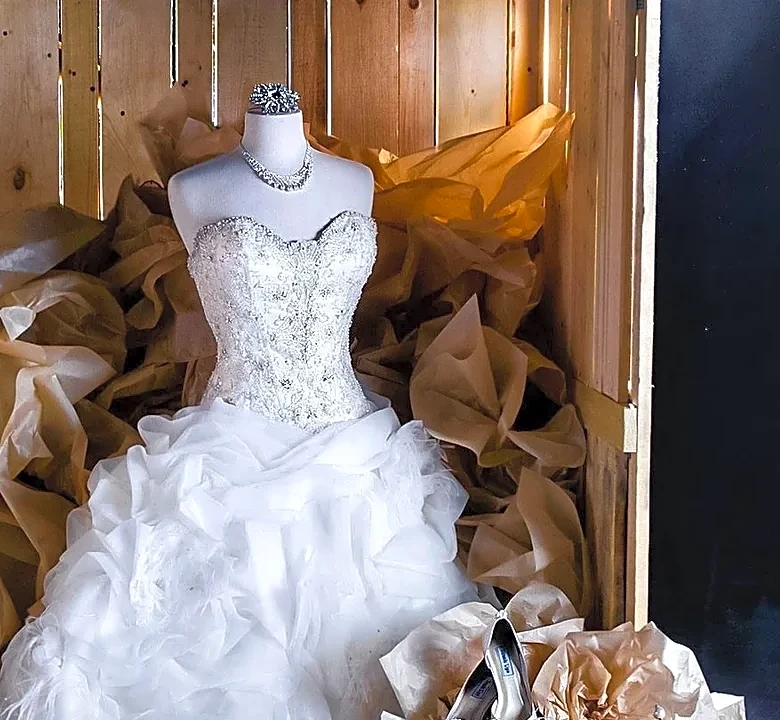
Once the wholesale order is placed, the process is still far from over. Designers use these orders to begin production, which involves grading the pattern for different sizes and sourcing materials in bulk. It can take anywhere from four to eight months for the sample gowns from the new collection to arrive in bridal boutiques. Only then can brides-to-be finally try on the dresses they may have seen on social media months earlier. That single, ethereal gown from the New York runway has completed its transformation, becoming a real-world option ready to be chosen for someone's special day.