






From Product to Picture-Perfect Life
Not long ago, a fashion ad was simple: a sweater, a pair of jeans, maybe a shoe, all shot cleanly against a white background. The product was the hero. Today, the product is often just a supporting character in a much larger story. Brands aren't just selling
clothes anymore; they are selling a world. This shift is a deliberate response to a savvier audience that craves more than just functional benefits. People are looking for an emotional connection, a sense of identity, and a story to buy into. The most effective campaigns understand that when a customer makes a purchase, they're often investing in a feeling—sophistication, resilience, or belonging—rather than just a piece of fabric.
The Architecture of Aspiration
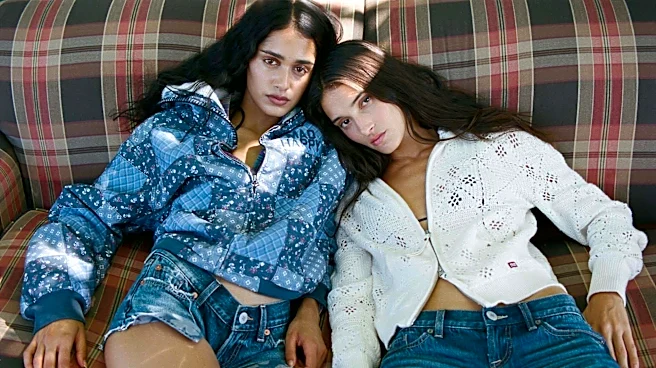
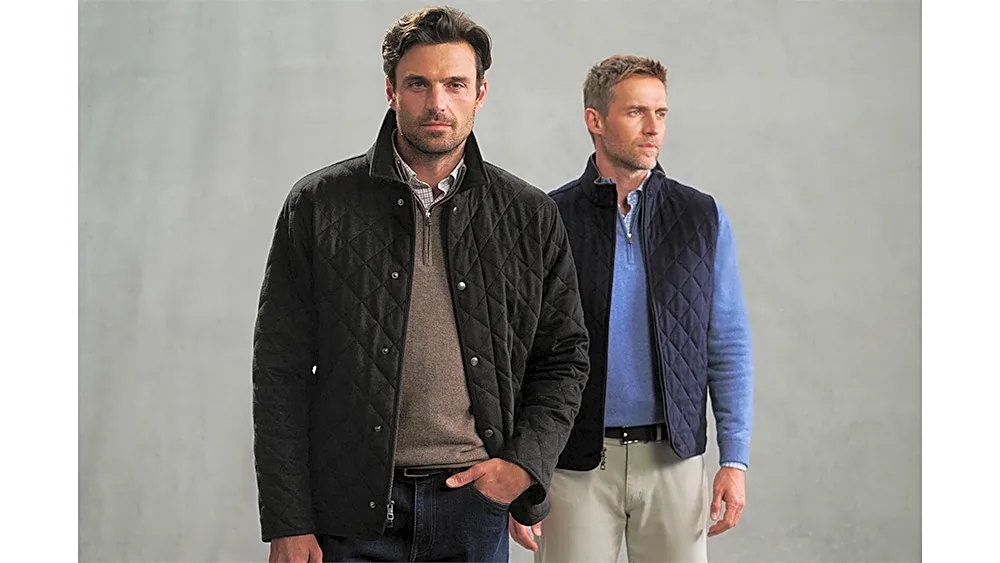
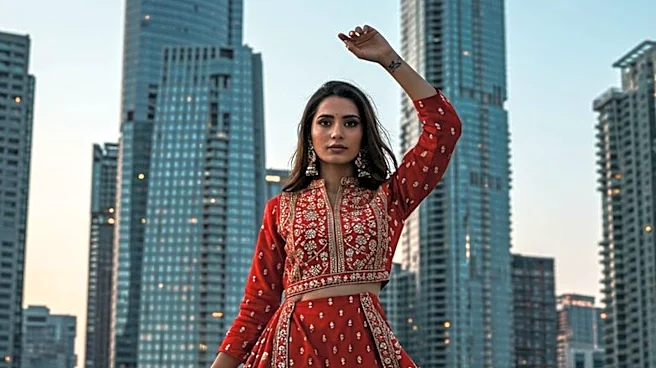
Building these aspirational worlds requires a specific set of tools. It starts with a move away from polished, unattainable fantasy toward what feels like 'realistic marketing'. Campaigns are now frequently set in real-world locations like city streets, cozy homes, or natural landscapes, making the dream feel more accessible. Casting has also evolved. While supermodels still have their place, many brands now feature a more diverse cast of characters who feel more like 'real people', reflecting a broader range of lifestyles and appearances. This approach makes the brand feel more authentic and trustworthy. The styling itself is often less about high-fashion drama and more about mirroring how people actually dress, helping viewers imagine the clothes as part of their own daily routine.
Narrative Is the New Logo
The ultimate goal is to create a compelling narrative. Instead of a single, static image, successful campaigns tell a story, inviting the consumer to become a part of it. This narrative-first approach helps a brand define what it stands for and what emotions it wants to be associated with. Think of a campaign that shows friends on a road trip, an artist in their studio, or a family gathering on a holiday. You're not just seeing clothes; you're seeing a moment in an implied story full of connection, creativity, or joy. This storytelling turns passive viewers into active participants who feel like they belong to the brand's 'world'. This strategy is so powerful because it taps into a fundamental human desire to signal identity and find belonging within a group.
Creating the Club on Social Media
This world-building doesn't end with the ad campaign. Social media platforms like Instagram and TikTok are where these social worlds truly come to life. Brands extend their narratives by partnering with influencers who already embody the desired lifestyle, bridging the gap between the brand and its audience. They encourage user-generated content, turning customers into ambassadors who proudly perform their identity with the brand's products as props. This two-way dialogue makes customers feel heard and valued, fostering a sense of community and deep loyalty. A brand like Fabletics, for instance, used a collaboration between a celebrity father and his daughter to create content that felt personal and relational, generating huge engagement because it centered on a family dynamic, not just a product.