







The Illusion of the Fortress
In theory, a home game is a massive advantage. Athletes sleep in their own beds, follow familiar routines, and play on a field or court where they’ve logged thousands of hours. The energy of a supportive crowd can create momentum and even influence officials.
For a team on a roll, these factors compound to create an environment of confidence and control. But when the storyline shifts from dominance to deliverance—when an athlete is trying to erase the memory of a crucial mistake—the very things that provide comfort can begin to feel like sources of intense pressure. The home crowd’s desperate hope for a comeback can feel heavier than an away crowd’s taunts.
The Weight of Personal Expectation
Playing on the road offers a degree of anonymity. The boos come from strangers. The disappointment is distant. At home, the faces in the crowd are neighbors, friends, and family. For an athlete trying to atone for a missed free throw, a dropped pass, or a blown save, the fear of letting *those* people down is profoundly personal. This isn't just about professional pride; it’s about disappointing a community that has invested its emotions in your success. The desire not to fail in front of loved ones adds a layer of social anxiety that can be crippling, turning a supportive environment into a field of judgment. Every pair of eyes feels like it belongs to someone you know personally.
Nowhere to Hide from the Narrative
When a team is on the road, they exist within a bubble. They can tune out the local sports radio, avoid the city’s newspaper headlines, and find refuge in the quiet of a hotel room. At home, the narrative is inescapable. The pressure-filled story of the upcoming “redemption game” is everywhere. It’s the talk of the town, the lead story on the local news, and the primary topic of conversation with everyone they meet. This constant immersion prevents the psychological reset that is often necessary for peak performance. The athlete is forced to live inside the pressure cooker 24/7, making it nearly impossible to approach the game with a clear mind.
The Science of Overthinking
Sports psychologists refer to catastrophic drops in performance under pressure as “choking.” It’s not a lack of skill, but a cognitive meltdown. Under intense stress, athletes often shift from performing skills automatically—the way they were learned through countless hours of practice—to consciously controlling their movements. This “paralysis by analysis” is when a basketball player thinks too hard about their shooting form or a golfer over-analyzes a simple putt. The heightened stakes of a home redemption game, combined with the fear of negative evaluation, are prime triggers for this kind of overthinking. The brain interprets the situation as a threat, which can tighten muscles and disrupt the fluid, automatic movements necessary for elite performance.
The Spotlight's Glare
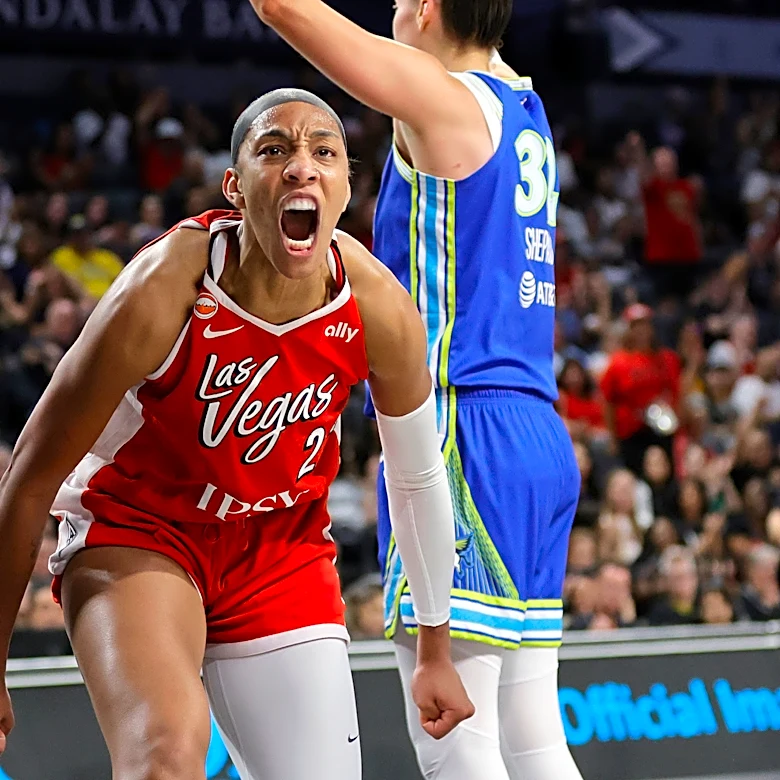
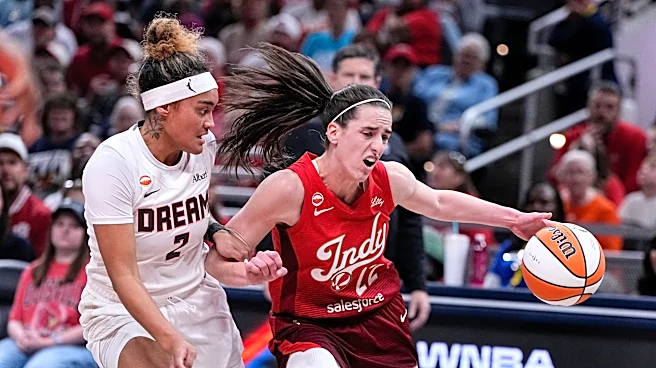
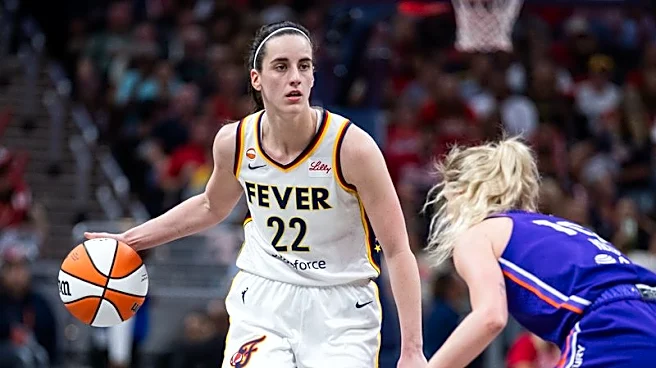
Consider the immense pressure on a star like Caitlin Clark. Every home game is an event, with ticket sales and national broadcasts hinging on her presence. While she embraces the pressure, she also acknowledges how taxing the constant spotlight can be and relies on mental strategies, including working with a sports psychologist, to cope. An athlete in her position, facing a slump or coming off a tough loss, feels that pressure magnified at home. The expectation isn't just to play well; it's to deliver a storybook ending. That combination of personal ambition and public expectation makes the tightrope walk of redemption feel perilously high, with no safety net in sight.