



The Curated Audience
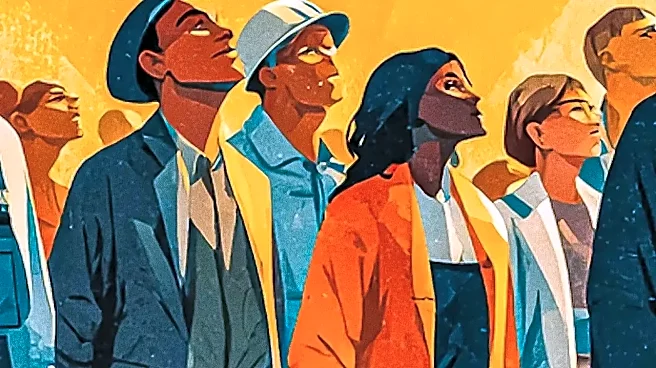
Unlike the rigid hierarchy of a fashion show, Frieze is a ticketed, public event, creating a dynamic mix of people. You have the high-net-worth collectors and gallerists, the artists, the students, and the culturally curious, all mingling in one vast
space. This diverse crowd doesn't just come to see art; they come to 'be' the art. Their clothing choices are a performance, a statement of identity in a space dedicated to visual language. The outfits on display are as much a part of the experience as the installations, turning the aisles and courtyards into a sprawling, living gallery of texture and form. It’s a scene where attendees are not passive consumers but active participants in the day's creative chaos.
A Different Kind of Runway
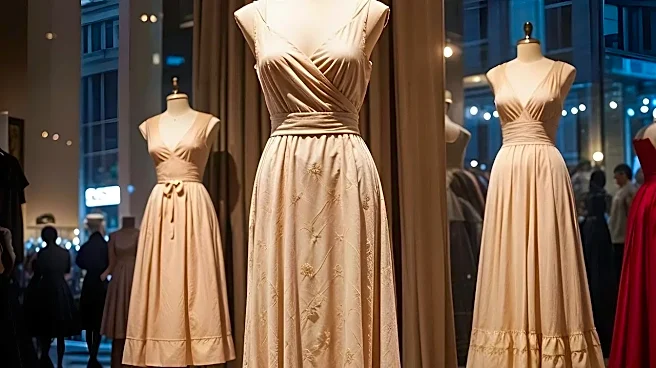
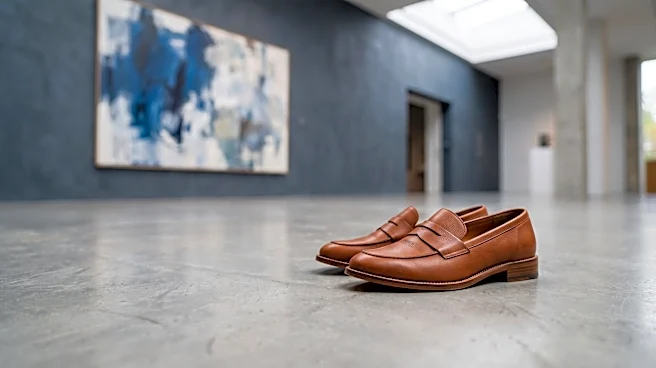
Fashion Week street style is often about peacocking the 'it' item of the season—a specific bag, a recognizable shoe, a head-to-toe look fresh from a major brand. Frieze style operates on a different frequency. Here, the 'intelligence' isn't about wearing the most expensive or hyped brands, but about demonstrating cultural literacy. The goal isn't to look rich, but to look like you 'get it'. This translates to outfits that are more personal and intellectually curated. Think architectural silhouettes that echo the sculpture on display, bold color choices that nod to trends in abstract painting, or a masterful mix of vintage finds with emerging designers. It’s less about brand logos and more about communicating a point of view. As one attendee noted, it’s a rare opportunity for a daytime event where you can truly get dressed up and experiment.
An 'Artful' Wardrobe in Practice
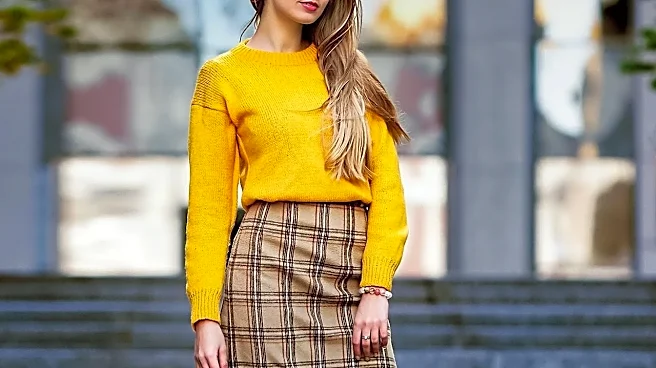
The clothing seen at Frieze often directly engages with the art world. You might see sculptural jewelry, jackets with abstract patterns, or layering that plays with proportion and texture. Fashion brands themselves are deeply embedded in the fair, with houses like Prada, Loewe, and Dunhill partnering with the event, recognizing the symbiotic relationship. Prada, in particular, has a history of collaborating with artists and creating its own art-centric spaces during Frieze week. This dialogue between canvas and cloth is central to the fair's fashion identity. Attendees often dress with an affinity towards the art, choosing standout pieces that feel creative but not costume-like. The result is a style that feels both bold and considered, where an outfit is a conversation starter, not just a status symbol.
Where Status Is Silent
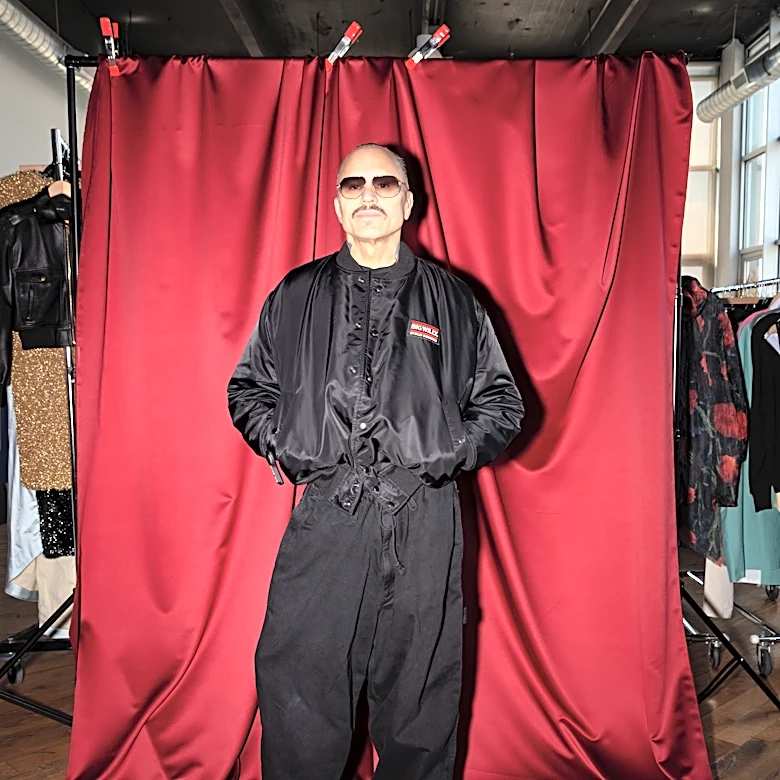
While immense wealth is present at Frieze, the most respected fashion statements often reject overt displays of it. Some of the most photographed attendees are those who master a high-low mix, pairing a vintage coat with designer boots or a simple workwear jacket with perfectly tailored trousers. There’s an appreciation for worn-in, personal pieces that tell a story. This approach signals a different kind of status, one based on taste, knowledge, and an understanding that true style is about composition, not just acquisition. In a room awash with status signifiers, many make a conscious choice to tone it down, aiming for a look that is individual and artfully assembled rather than a billboard for luxury. This silent confidence is the hallmark of Frieze style, making it a compelling bellwether for where fashion is headed next.