



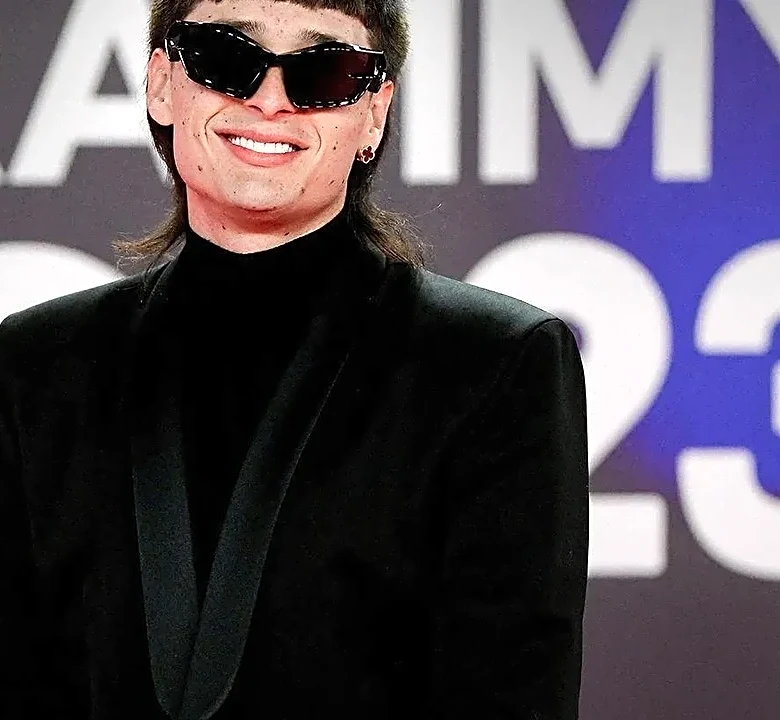




In an era of disposable digital content, some songs break free. They escape the algorithm and find a second life on picket lines and in protest chants. For singer-songwriter Lenore Dove, this phenomenon is not just an accident; it’s her calling.
The Accidental Anthemist
Lenore
Dove doesn’t look like the revolutionary figurehead she’s become. With a sound that blends folk intimacy with bedroom pop vulnerability, her early work was deeply personal, exploring themes of heartbreak, anxiety, and navigating a world that often felt too loud. She wasn't writing protest songs in the tradition of Bob Dylan or Nina Simone. Instead, she was writing about her own life with a raw honesty that millions found relatable. Her breakthrough album, 'Glass House,' was full of quiet confessions, not political declarations. Yet, it was a track from this album, 'Borrowed Fire,' a song about feeling small and finding inner strength, that first made the leap from streaming playlists to street-level activism.
From a Viral Video to a Global Chant
The transformation began not with a bang, but with a 15-second video. During a student walkout over climate policy in Chicago, a protestor overlaid 'Borrowed Fire' onto a clip of the crowd. The song's central lyric—'You can’t burn what was never yours / This borrowed fire is ours'—was a perfect fit. The video went viral. Soon, the song was being used by activists across the country, from labor union strikes in Michigan to housing rights demonstrations in California. The music’s power lies in its adaptability; its message of reclaiming power resonated with anyone fighting against a seemingly insurmountable force. Much like how songs in the Civil Rights Movement unified marchers, Dove's music provides a shared emotional language for modern struggles.
The Anatomy of a Modern Protest Song
What makes Dove's music so effective for protest? Unlike the explicit calls to action from folk-era singers, her songs are emotionally centered and lyrically open to interpretation. This ambiguity is a feature, not a bug. In the digital age, a successful anthem needs to be a vessel that different groups can fill with their own meaning. A simple, powerful chorus that can be easily chanted is crucial, and Dove's songwriting, full of repeated, affirming phrases, delivers exactly that. Her music bypasses partisan talking points and speaks directly to a universal feeling of defiance, making it a unifying force in fractured times. It fosters a sense of collective identity, something vital for sustaining social movements.
An Artist Navigating an Unchosen Role
Dove herself has a complicated relationship with her status as a protest icon. In interviews, she’s expressed humility and surprise, noting she never intended to become a political voice. 'I wrote about my own struggles,' she stated in a recent podcast, 'and it turned out a lot of people were struggling in the same way, for different reasons.' She has since embraced the role, performing at benefit concerts and using her platform to amplify activists' voices. This path mirrors that of artists like Sam Cooke, who was inspired to write 'A Change Is Gonna Come' after personal experiences with injustice, creating an anthem that outlived its original context. Dove’s journey shows that in the modern era, authenticity is the most potent political statement an artist can make.