


Color Is an Instant, Low-Risk Upgrade
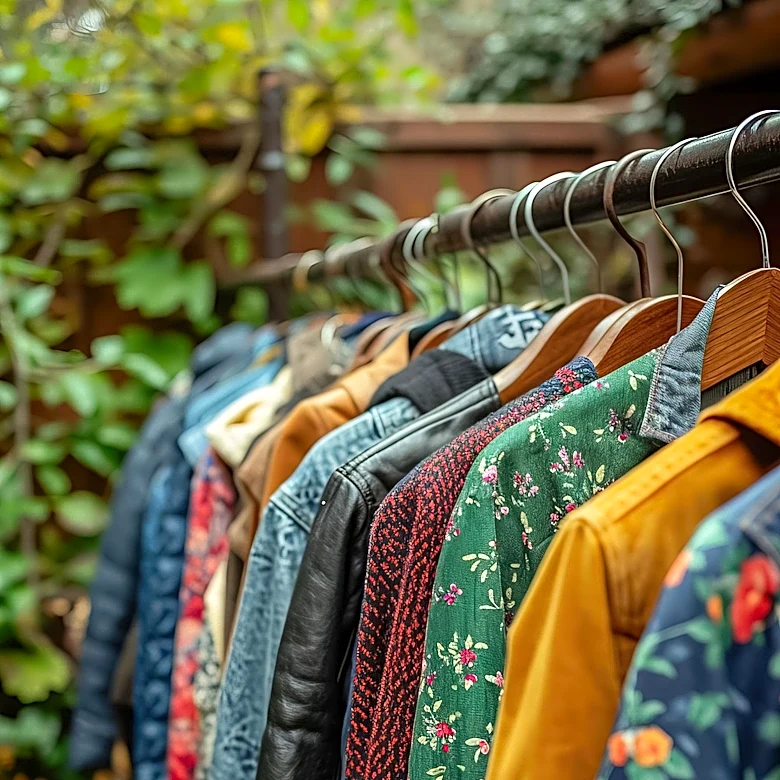
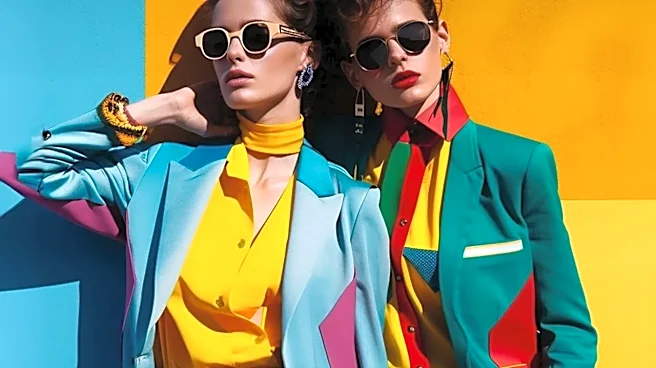
The simplest reason for color’s quick adoption is emotional and psychological. A new color is an easy, low-commitment way to feel current without overhauling your entire identity. Adding a splash of “Chocolate,” “Smoke,” or “Olive”—hues that dominated
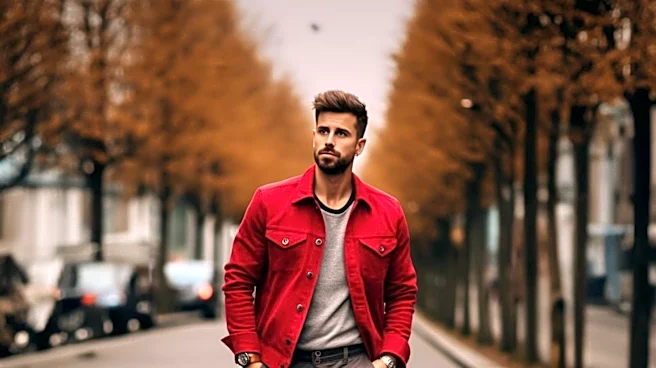
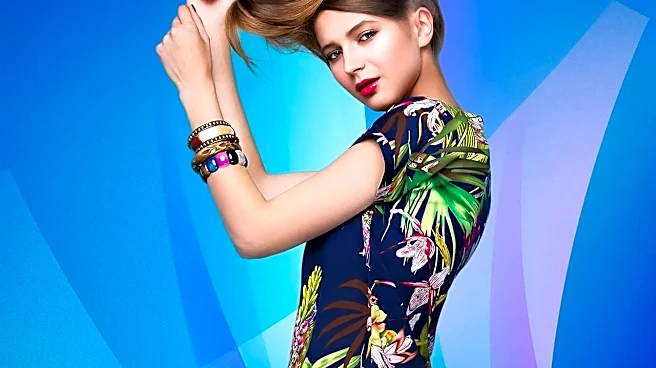
the recent Fall/Winter 2026 London runways—to your wardrobe is a simple update. You can buy a scarf, a sweater, or even just a nail polish in a trending shade. Research shows color directly influences mood and confidence, acting as a nonverbal cue about our personality. Brands know this, which is why a vibrant red or a calming blue becomes a seasonal hero. It doesn’t require you to question your body type or the practicality of your daily routine; it’s an accessible refresh that feels good instantly.
Extreme Silhouettes Are a Hard Sell
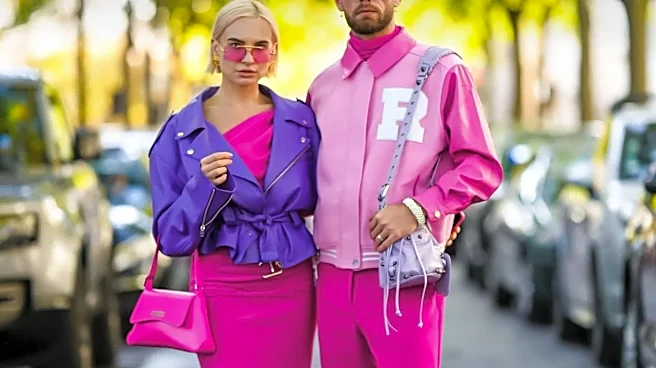
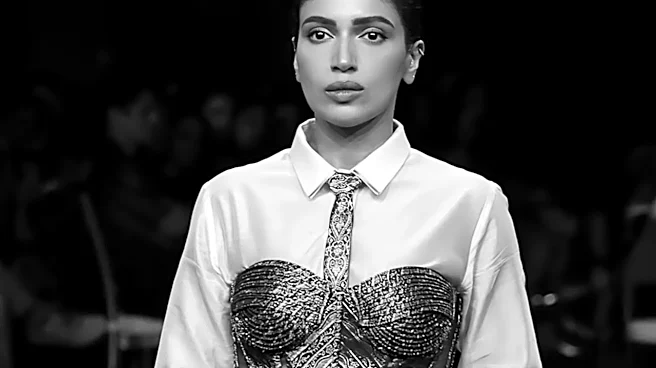
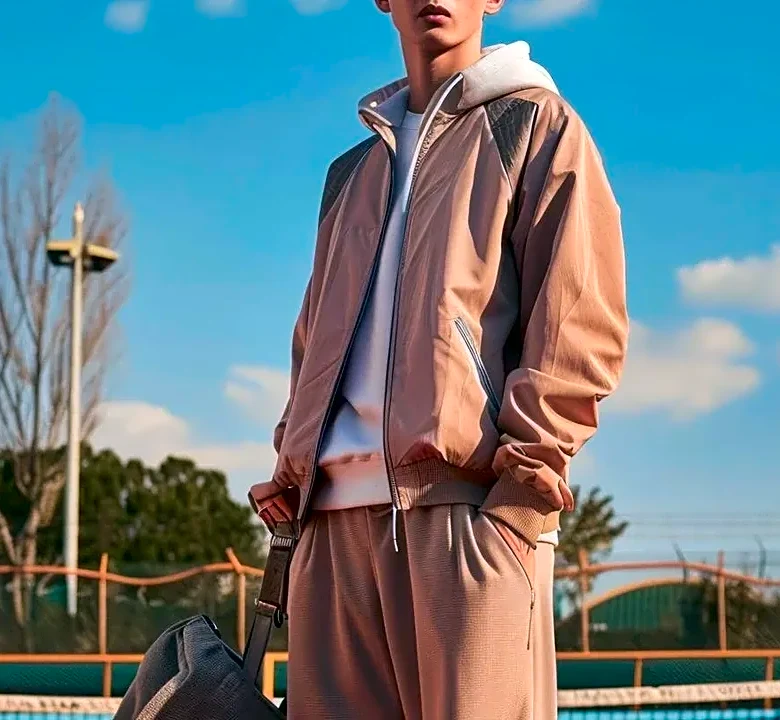
Conversely, the sculptural, often impractical silhouettes seen on the runway are a much bigger ask for the average consumer. Recent London shows featured exaggerated hips, high Victorian necklines, and deconstructed tailoring. While visually stunning, a jacket with ballooning sleeves or pants with engineered volume can feel more like a costume than clothing. These shapes challenge our notions of a flattering fit and often require a specific body type or a huge dose of confidence to pull off. Unlike a new color, an extreme silhouette can’t be easily integrated into an existing wardrobe of jeans and blazers. It demands a complete re-evaluation of your personal style and, frankly, your ability to navigate a crowded subway or sit comfortably at a desk. Street style often serves as a mediator, with influencers adopting the color trends but toning down the radical shapes, offering a more wearable blueprint for the public.
The Business of Fast Fashion
The speed at which color trends move from runway to retail is also a matter of simple economics. For fast-fashion giants, changing the dye of a textile is far cheaper and faster than re-engineering a pattern for a complex new shape. The modern supply chain is built for speed, capable of turning a runway color trend into an affordable garment in weeks, if not days. Creating a blouse with an entirely new, complex sleeve construction requires new patterns, more skilled labor, and more material—all of which increase cost and production time. A new color, however, can be applied to an existing, best-selling t-shirt design with minimal friction. This business model prioritizes trend-driven colors that are forecast to sell broadly, rather than investing in niche, architectural pieces that have a much smaller potential market.
The Runway as Inspiration, Not Instruction
Ultimately, most consumers view high-fashion runways as a source of inspiration, not a literal shopping list. The conceptual pieces are there to tell a story, to push creative boundaries, and to signal a mood. The bold, sculptural forms shown by designers like Simone Rocha or Erdem are about artistry and narrative. The average person isn't looking to wear a piece of art; they're looking for ways to feel a little more stylish and put-together. Color is the most easily translatable part of that high-fashion story. It’s a whisper of the runway's drama that fits seamlessly into real life. It allows us to participate in the fantasy of fashion week, one cherry-red accessory or olive-green coat at a time, leaving the poetry of an armor-like silhouette to the catwalk where it was born.