







A Universe of Cold Equations
The terror in Project Hail Mary starts with its premise, which is as bleak as they come. A mysterious life form called Astrophage is eating our sun, and humanity is staring down the barrel of a new ice age and mass extinction. The only hope is a desperate,
last-ditch mission to a distant star system to find a solution. Our protagonist, Ryland Grace, wakes up from a coma millions of miles from home, his crewmates are dead, and he has amnesia. This setup is pure cosmic horror. The universe is not just indifferent; it's actively hostile, and humanity’s survival rests on a single, fragile point of failure. Weir expertly crafts a sense of isolation and dread, where every calculation could mean the difference between salvation and the silent, cold end of our species. The science is rigorous, but the stakes are deeply emotional, grounding the cosmic threat in a very personal sense of fear.
First Contact as Friendship
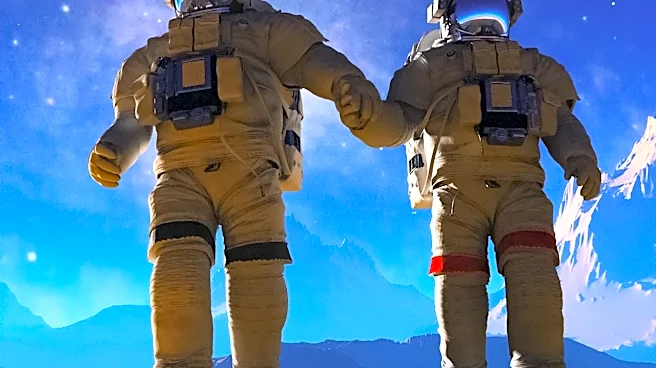
Just when the existential dread becomes almost unbearable, the story introduces its most heartwarming element: Rocky. In a genre filled with hostile invasions and cautious mistrust, Project Hail Mary dares to imagine a first contact scenario based on collaboration and mutual desperation. Rocky is an alien from a species also threatened by Astrophage, and his arrival transforms the narrative from a lonely survival story into one of the most compelling buddy comedies in recent fiction. The relationship between Grace and Rocky is the undeniable heart of the book. Through shared problem-solving, humor, and a growing, genuine affection, they build a bridge across a seemingly impossible biological and cultural divide. Their bond isn’t just about survival; it’s about finding a kindred spirit in the loneliest place in the universe. It suggests that intelligence and empathy might be universal constants, capable of forging connection no matter the form it takes.
The Duality of Sacrifice
The story’s true genius lies in how the same events fuel both terror and warmth. Take Grace's own backstory. Through flashbacks, we learn he wasn’t a willing hero who volunteered for a suicide mission. He was a coward. Terrified of failure and death, he refused to go, and the mission’s uncompromising leader, Eva Stratt, had him drugged and forced onto the ship against his will. This revelation is terrifying because it shatters the heroic ideal. Our protagonist is a reluctant, flawed man who tried to doom humanity to save himself. Yet, this very flaw makes his ultimate transformation so heartwarming. His journey isn't about being a hero; it's about becoming a friend. His final, story-defining choice is a perfect example. He has the solution to save Earth but discovers Rocky's people are doomed without his help. He faces a terrible choice: go home a hero or save his friend and be stranded forever.
Redemption in the Void
In the end, Grace sends a probe with the solution back to Earth and turns his ship around to save Rocky. This decision is both a terrifying act of self-annihilation and a profoundly moving act of love. He sacrifices his home, his species, and his life as he knew it for a single friend. He doesn’t do it for humanity or for some abstract sense of duty—the very thing he ran from. He does it for Rocky. This choice redefines heroism not as selfless sacrifice for the greater good, but as the deeply personal sacrifice one is willing to make for a cherished connection. The man who was too scared to die for seven billion strangers finds the courage to die for one alien. It’s a bittersweet, tear-jerking conclusion that perfectly balances the book's central paradox, leaving the reader with a powerful message: maybe saving the world isn't about grand gestures, but about the small, brave acts of friendship we choose along the way.