



It’s the daily dilemma of transitional seasons: freezing on your morning commute, comfortable by lunch, and then chilly again after sunset. Dressing for weather that can’t make up its mind requires a strategy. It's all about smart, removable layers.
1. The Lightweight Trench or Utility Jacket
The
MVP of any transitional wardrobe is a lightweight outer layer that can handle a breeze or a bit of drizzle without causing you to overheat. A classic trench coat is the perfect example. Its structure instantly pulls an outfit together, whether it’s draped over a simple t-shirt and jeans or a knit dress. For a more casual feel, a utility or chore jacket in cotton twill offers a similar level of protection with a relaxed vibe. The key is that the jacket should be light enough to be worn open indoors or folded into a tote bag without a second thought. This layer's job isn't to provide heavy-duty warmth, but to act as a stylish shield against the elements that you can add or remove as the temperature shifts throughout the day.
2. The Versatile Cardigan as a Mid-Layer
Never underestimate the power of a good cardigan. More adaptable than a pullover sweater, a button-front cardigan acts as the perfect insulating mid-layer. For a modern look that feels intentional, consider styles like a textured 'lady jacket' for a more polished feel or a relaxed, slightly oversized knit for casual days. You can wear it buttoned up like a top in the cool morning, open it up as the day warms, or drape it over your shoulders for an effortless look. The formula is simple: start with a quality base layer—like a fitted tank or a crisp t-shirt—that can stand on its own. Then, add the cardigan. This ensures that when you do decide to remove that layer, you still have a complete, polished outfit underneath.
3. The Denim Jacket Over a Dress or Skirt
A denim jacket is a timeless piece that excels in bridging the gap between seasons. Its magic lies in its versatility; it can dress down a slightly more formal piece or add structure to a flowy one. One of the most effective formulas is pairing a denim jacket with a midi or maxi dress. The combination of the structured denim against a softer fabric like cotton, silk, or a knit creates a balanced silhouette. This works especially well with sweater dresses or long-sleeve floral maxis, extending their wearability into cooler weather. When the sun comes out, the jacket comes off. Finish the look with ankle boots on cooler days or a sleek sneaker for comfort and modern flair.
4. The Core-Warming Vest
Sometimes, full sleeves are just too much. A vest—whether it's a lightweight quilted puffer, a fleece style, or a structured knit—is an underrated hero for transitional dressing. It focuses on keeping your core warm, which is often enough to maintain comfort without the bulk of a full jacket. A vest layers beautifully over a long-sleeve tee, a thin merino sweater, or even a collared buttondown shirt. This formula provides insulation where you need it most while giving your arms freedom of movement. It’s an especially smart choice for active days when you might be walking a lot, as it helps you regulate your body temperature more effectively.
5. The Strategic Blazer and Scarf Combo
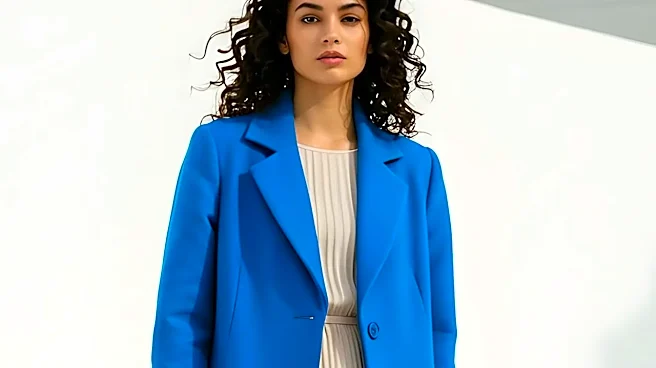
For a look that needs to transition from a casual commute to a more professional setting, a blazer is your best friend. A wellfitting wool or woolblend blazer adds instant polish to even a simple base of a crewneck sweater and trousers. But the secret weapon in this formula is an accessory : the scarf . On a crisp morning ,a lightweight wool or cashmereblend scarf provides significant warmth around your neck . As the day warms up ,it’s the easiest layer of all to remove and tuck into your bag . This combination allows you to adjust to three different temperature settings : scarf and blazer for the cold ,just the blazer for a mild afternoon ,and just your base layer for a warm indoor environment.