





An Antidote to Forced Cheer
For many, the holiday season brings a relentless pressure to be happy, grateful, and full of cheer. This expectation can feel suffocating, especially when personal feelings don't align with the festive mandate. Holiday horror provides a potent antidote.
It acknowledges the darker, more complex emotions that can bubble beneath the surface of forced family fun. Instead of wholesome stories, these films offer a thrilling escape through controlled fear, allowing viewers to externalize their own holiday-induced stress and anxiety in a safe, contained way. The genre works by creating a stark contrast; the juxtaposition of festive decorations and bloody mayhem provides a psychological release from the season's cloying nostalgia and validates the feeling that not everything is perfect just because the calendar says it should be.
Family Dinner as a Horror Premise
Mandatory family togetherness is a cornerstone of Thanksgiving, but for many, it's less a heartwarming reunion and more an exercise in emotional endurance. Old arguments, intrusive questions, and simmering resentments can turn the dinner table into a minefield. Thanksgiving horror takes this underlying tension and makes it literal. Films in this subgenre often use the family gathering as a cauldron of conflict, where a masked killer or supernatural force becomes a physical manifestation of the dysfunction. In slashers like 'Blood Rage' (1987) or Eli Roth's 'Thanksgiving' (2023), the horror doesn't just happen during the holiday; it's intrinsically linked to the family and community dynamics that define it. The violence, while extreme, can feel like a darkly comedic and cathartic explosion of the tensions everyone is pretending not to feel.
Subverting the American Myth
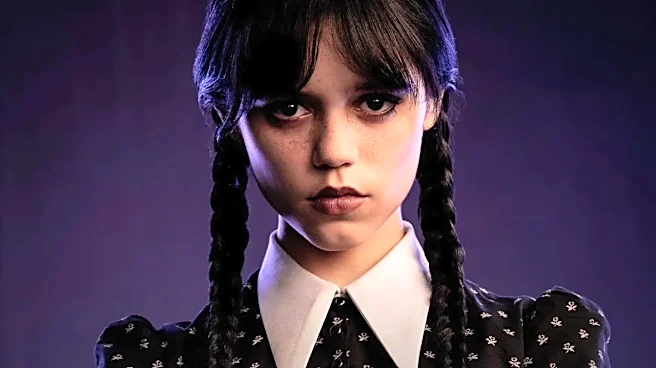
Traditional holiday movies reinforce a very specific, often idealized image of American life. Thanksgiving horror gleefully tears that image apart. Recent entries like 'Thanksgiving' directly satirize the consumerism that has encroached on the holiday, opening with a Black Friday riot that turns horrifically violent. The killer, dressed as Plymouth's first governor, John Carver, directly ties the film's violence to American iconography, transforming symbols of hospitality into instruments of terror. Even dark comedies like 'Addams Family Values' (1993) use the holiday to critique the sanitized version of history often presented in Thanksgiving pageants, using humor to expose the hypocrisy beneath the wholesome facade. These films resonate with audiences who are weary of the picture-perfect myth and crave a narrative that acknowledges the messier, more complicated realities of American life and history.
A Different Kind of Catharsis
Ultimately, the appeal of watching horror on a holiday is rooted in psychological release. Experiencing fear in a controlled environment can be uniquely calming, allowing the brain to process anxiety and providing a sense of relief and even pleasure afterward. It's a way to confront darkness from the safety of your couch. While traditional holiday films aim to soothe with warmth and sentimentality, Thanksgiving horror offers a different path to comfort. It gives a voice to holiday-related cynicism and stress, assuring viewers they aren't alone in feeling overwhelmed by the season. By leaning into chaos, these films provide an oddly satisfying break from the relentless demand for gratitude, making them the perfect slice of counter-programming for those who prefer their turkey served with a side of terror.