


Meet the Moment: Chappell Roan and Reneé Rapp
If you’ve paid any attention to pop music lately, you’ve witnessed the meteoric ascents of Chappell Roan and Reneé Rapp. Chappell Roan, the self-proclaimed “Midwest Princess,” has become a phenomenon with her synth-pop anthems, theatrical drag-inspired
performances, and unapologetically queer storytelling. Her shows are vibrant, interactive spectacles where fans dress in themes and scream along to hits that are both deeply emotional and wildly fun. On the other side of this dream ticket is Reneé Rapp, who transitioned from a Broadway and film career—notably as Regina George in “Mean Girls”—into a bona fide pop star with a powerhouse voice and raw, confessional lyrics. Rapp's music blends pop with an R&B edge, tackling identity, love, and anxiety with a candor that has earned her a fiercely loyal following. Both artists have exploded into the mainstream, fueled by viral moments, critical acclaim, and a shared authenticity that fans find magnetic.
A Shared Universe of Glitter and Guts
The reason this fantasy pairing has taken hold so strongly is that Roan and Rapp feel like they operate in the same emotional and aesthetic universe. Both artists have become icons within the LGBTQ+ community, writing songs that speak directly to the queer experience with a frankness that was once rare in mainstream pop. Chappell Roan’s music often explores themes of discovering one’s identity away from a conservative upbringing, while Reneé Rapp’s lyrics frequently delve into the complexities of relationships and self-acceptance. Sonically, they complement each other: Roan’s '80s-inspired, high-energy pop would be a perfect counterbalance to Rapp’s soulful, vocally-driven anthems. But it's their shared stage presence—a blend of theatricality, vulnerability, and fearless confidence—that makes the combination so tantalizing. They are both performers who leave everything on the stage, creating a space where fans feel seen and celebrated.
The Fan-Fueled Campaign
This isn't a top-down industry fantasy; it's a grassroots movement born on social media. On platforms like TikTok and Reddit, fans have been creating their own dream setlists, video mashups, and endless threads discussing why the collaboration is not just wanted, but needed. The idea often surfaces when festival lineups are announced, with fans lamenting the missed opportunity if both aren't booked for the same day. The demand stems from a sense of shared community. Fans of both artists often overlap, drawn to their similar messages of empowerment and queer joy. Seeing them perform together would feel like a coronation of sorts—a celebration of this new, vibrant wave of pop music where artists are celebrated for their specificity, not in spite of it.
Imagining the Performance
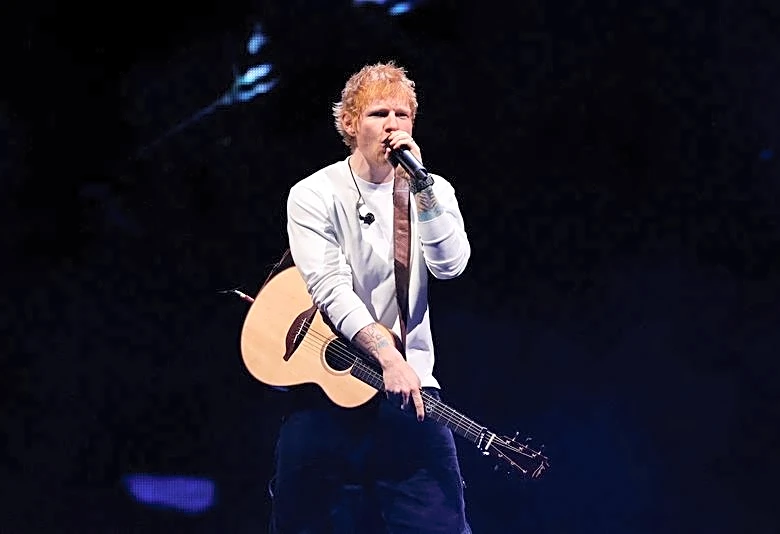
So, what would a Chappell Roan and Reneé Rapp festival set actually look like? The possibilities are enough to make any pop fan’s head spin. One can imagine a fiery duet of Rapp’s “Not My Fault” mashed up with Roan’s “Hot to Go!”—a high-octane explosion of confidence and unapologetic energy. Another route could be a poignant, stripped-down performance. Imagine the two of them, just a piano and two powerful voices, covering a classic or even performing a tender mashup of Roan's “Good Luck, Babe!” and Rapp's “Snow Angel.” Kesha’s surprise appearance during Rapp’s 2024 Coachella set proved that Rapp is more than open to show-stopping collaborations that get people talking. A joint performance with Roan would undoubtedly be the most talked-about moment of any festival season, a landmark event for a generation of music lovers.
The Road to Reality
While the idea is electric, its execution remains purely hypothetical for now. Both artists are on demanding tour and promotion schedules for their own massively successful projects. Coordinating festival appearances, rehearsals, and the creative direction for such a high-profile collaboration would require a significant alignment of schedules and intentions. However, it’s far from impossible. Both artists frequent the same festival circuits, from Coachella to All Things Go, making a chance encounter on a lineup plausible. They share a similar fan base and cultural space, which often leads to organic friendships and collaborations within the industry. While there has been no official word from either camp, the sheer volume of fan enthusiasm is something that managers and festival bookers undoubtedly notice. In an industry where fan engagement can drive careers, such a widespread and passionate demand is difficult to ignore for long.