






The Unchosen, Unforgettable Exit
No player chooses to end their international career on a loss, yet the brutal arithmetic of a knockout tournament ensures most do. For every champion, there are dozens of vanquished superstars walking off the world’s biggest stage for the final time.
There is no more vivid example than Zinedine Zidane in 2006. The French maestro, who had announced his retirement before the tournament, was playing like a man possessed, guiding a supposedly over-the-hill France team to the final. After scoring an audacious penalty, his career seemed destined for a storybook ending. Instead, it ended in infamy. In extra time, he infamously headbutted Italian defender Marco Materazzi and was sent off. The last image the world has of Zidane the player is not of him lifting the trophy, but of him walking past it, head bowed, on his way to the locker room—a shocking, dissonant final note to a magnificent career.
The Quiet Walk of the Fading Giants
Not every ending is so explosive. More common is the slow, quiet realization that time has won. The 2022 World Cup in Qatar was a poignant showcase for this, as Cristiano Ronaldo saw his dream of winning the one trophy that eluded him evaporate in a quarterfinal loss to Morocco. He left the pitch in tears, a man confronting his athletic mortality. Fast forward to July 2026, and the scene repeated itself. At 41, Ronaldo’s final World Cup ended in the Round of 16. The cameras once again found him, not in triumph, but in the quiet sorrow of a legend whose body could no longer match his will. He confirmed it was his last World Cup, leaving with a “clear conscience” but without the ultimate prize. It’s a familiar scene for aging icons—the tearful wave to the crowd, the final walk down the tunnel, the acknowledgment that their time at the summit is over.
The Fairytale and The Heartbreak
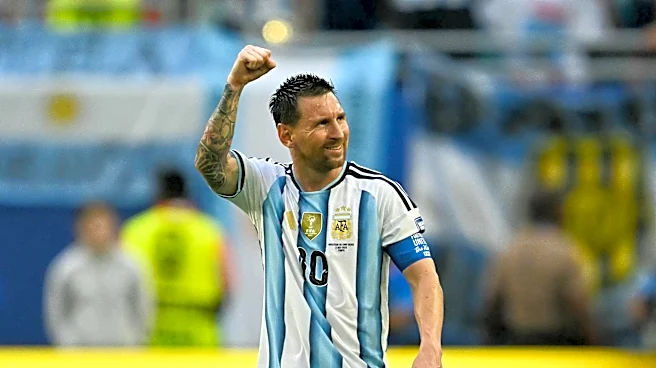
The reason these tragic endings resonate so deeply is because the fairytale is so rare. In 2022, the entire tournament was framed as Lionel Messi's "last dance." Against all odds, he got his perfect ending, leading Argentina to a dramatic victory and finally capturing the one prize that had haunted his career. His triumph serves as the exception that proves the rule—a reminder of how difficult it is to script a perfect farewell. On the other side of that coin is American icon Megan Rapinoe. Her final World Cup in 2023 ended not with a trophy, but a missed penalty in a shootout loss to Sweden. It was a jarringly abrupt end for a player known for her clutch performances. While she received a celebratory farewell match later, her tournament career concluded in the cruelest way possible, a stark reminder that even for the most decorated champions, a happy ending is never guaranteed.
The Next Eulogy is Always Being Written
As the 2026 World Cup continues, we are watching these stories unfold in real time. For every Kylian Mbappé seeking to build a dynasty, there is a 41-year-old Luka Modrić likely taking his final bow on the international stage. Just days ago, Brazilian superstar Neymar announced his own international retirement after a shocking Round of 16 exit, his quest for World Cup glory ending in disappointment. The tournament is a relentless machine, a four-year cycle that builds up heroes only to inevitably replace them. It’s this constant churn that gives the World Cup its narrative power. It’s not just a competition to crown the best team in the world; it’s a public stage where careers are defined and legacies are cemented, often in the painful, poignant moment of defeat.