
The Double-Feature Burnout
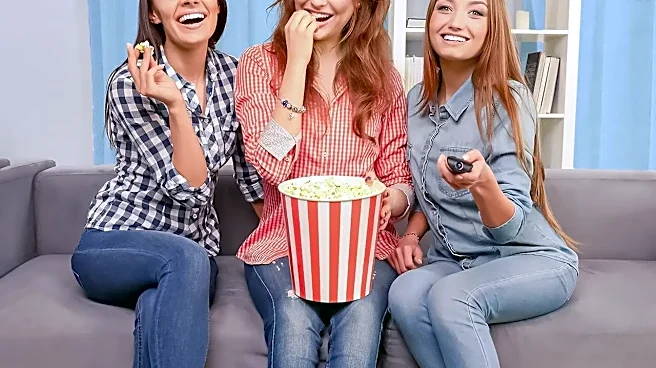
We’ve all been there. You and your friends decide on a horror double feature. You kick things off with a heavy, two-and-a-half-hour psychological nightmare. It’s brilliant, it’s terrifying, but by the time the credits roll, everyone is emotionally drained.
The dread is gone, replaced by a quiet exhaustion. The second film, a fast-paced slasher you were excited about, now feels like a chore. The pacing is shot, the energy is low, and the collective desire to just scroll through phones has taken over. The fundamental mistake wasn't the film choice; it was the programming. Starting big is a recipe for fatigue. A great movie night, like a great horror film, needs to understand pacing, building tension gradually rather than blowing its biggest scare in the first act.
The Short Film as Appetizer
The solution is simple and elegant: start with a short. A horror short, typically running anywhere from three to fifteen minutes, is the perfect cinematic appetizer. It’s not meant to be a full meal; it’s a palate-setter. Its job is to efficiently establish a tone, prime your fear responses, and get everyone in the room leaning forward. It’s a low-commitment, high-reward way to warm up the audience's nerves without exhausting them. Think of it as a campfire tale before the main story. It gets everyone settled, hushes the conversation, and reminds your brain how to be scared. By the time the short’s gut-punch ending lands, the atmosphere is set, the audience is engaged, and you're all perfectly primed for the main feature you’ve chosen.
The Perfect Opener: 'Lights Out' (2013)
If your main feature thrives on jump scares and creature-in-the-dark panic, there is no better primer than David F. Sandberg’s original “Lights Out” short. Clocking in under three minutes, it’s a masterclass in efficiency. The premise is brutally simple: a woman sees a figure in the darkness of her hallway, but it disappears every time she turns on the light. The tension escalates with each flip of the switch, exploiting a primal fear of what lurks just beyond our vision. It’s pure, uncut dread delivered with zero exposition. Many agree the short is even more effective than the feature film it inspired, precisely because its mystery is left entirely intact. It asks nothing of you but three minutes of your time and leaves you with a lingering fear of turning off the lights.
For Atmospheric Dread: 'Other Side of the Box' (2018)
Perhaps your main event is a slow-burn psychological thriller. In that case, you need to build a sense of deep, creeping unease. Caleb J. Phillips' fifteen-minute short, “Other Side of the Box,” is the ideal tool for this job. A couple receives a mysterious box from a friend, only to find a man’s head inside, staring at them. The rule is simple and impossible: you can’t look away, or it gets closer. The film expertly subverts the jump scare, instead relying on the psychological torture of unbroken vigilance. It creates a sense of suffocating inevitability, proving that the scariest things are often the ones that wait patiently for you to fail. Its slow, agonizing build will perfectly tune your audience to the frequency of existential dread.
For Folk Horror and Vengeance: 'The Birch' (2016)
Planning a night of folk horror or supernatural revenge? Start with Crypt TV's viral sensation, “The Birch.” In just over four minutes, this short tells the story of a bullied schoolboy who summons an ancient forest protector to deal with his tormentor. With echoes of classic fairy tales and creature features, the film is both a satisfying revenge story and a brilliant piece of monster design. The Birch itself is an unforgettable creation, a being of primal, wooden fury. The short is lean, visually striking, and offers a complete, bloody narrative arc that feels both mythic and modern. It’s the perfect way to introduce themes of ancient power and brutal justice before settling in for a longer film that explores similar territory.