



The Franchise's Core Conflict: Obsolescence
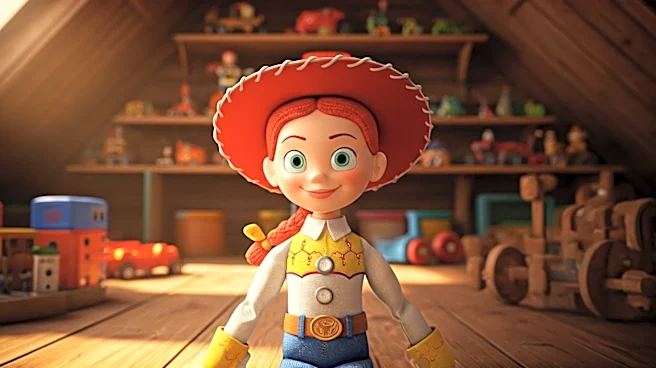
Let’s be honest: Toy Story has never been just a cute story about talking toys. From the very beginning, it’s been a franchise marinated in existential dread. The core anxiety baked into Woody, Buzz, and the gang isn't about being broken; it's about being forgotten.
In the first film, Woody fears being replaced by a shinier, more advanced toy. In Toy Story 2, he confronts the finite nature of 'playtime' and the temptation of eternal, sterile preservation in a collector's case. Toy Story 3 is a masterclass in the sorrow of being outgrown, culminating in a near-death experience in a furnace. And Toy Story 4 saw Woody question his very purpose in a world where his kid no longer needed him. Each film has escalated this single, terrifying theme: what is a toy's purpose when its primary function is over? The villains—Sid, Stinky Pete, Lotso—were just personifications of this fear. But now, the franchise faces a threat far more profound than a jealous cowboy or a bitter teddy bear.
The Ultimate Villain: The Glowing Rectangle
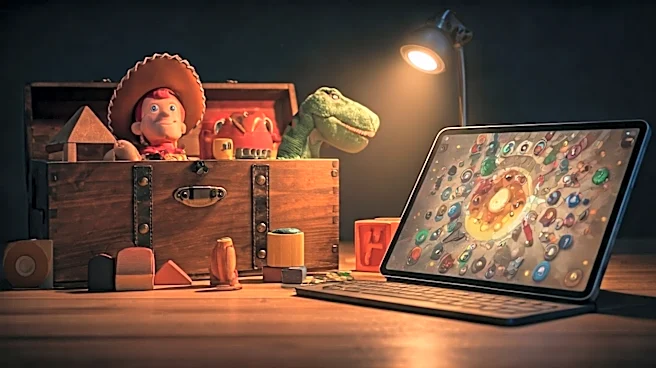
The greatest antagonist for Toy Story 5 isn’t a toy at all. It’s the iPad. It’s the smartphone. It’s the endlessly scrolling, dopamine-hacking, attention-devouring universe of the touchscreen. This isn’t a villain Woody can outsmart or Buzz can vanquish. You can’t reason with an algorithm. You can’t convince a YouTube Kids playlist to give the ol' plastic-and-plush gang a turn.
This is the generational cold war happening in living rooms across America right now. The toy chest, with its analog, imagination-driven play, represents a bygone era for many kids. The touchscreen represents the immediate, responsive, and infinitely stimulating present. For a generation of toys built on the premise of being a child's most cherished physical companion, what happens when that companionship becomes primarily digital? This sets up a conflict that is both deeply relatable for parents and a genuine, seemingly insurmountable challenge for our heroes.
Woody’s Final Frontier
The ending of Toy Story 4, which saw Woody leave the gang to become a 'lost toy' helping carnival prizes find homes, was divisive. But it perfectly positions him for this new reality. He's no longer tethered to a single child's bedroom. He is, essentially, a free agent for the soul of play itself. His mission can now evolve beyond just making one kid happy.
Imagine Woody and Bo Peep, roaming this new landscape, trying to remind kids of the joy of physical play. They're not just finding lost toys; they're fighting for a lost art form. How do you convince a child to pick up a Slinky Dog when they can build entire universes in Minecraft on a tablet? This reframes Woody's journey from a personal quest for purpose into a noble, perhaps tragic, crusade to preserve the very idea of a 'toy story' in a world that might be moving on.
A Story That’s Really for the Parents
As with all the best Pixar films, this story isn’t really for the kids in the audience—it’s for the adults. The original Toy Story generation are now parents themselves, navigating this exact dilemma. They buy their kids beautiful wooden block sets and Lego kits, only to watch them gravitate toward the hypnotic glow of a screen. They feel a sense of nostalgia, guilt, and confusion, wondering if they are failing to pass on a more wholesome form of childhood.
By making this the central conflict of Toy Story 5, Pixar wouldn't just be making another movie. It would be holding up a mirror to the anxieties of a generation of parents. The film would become a conversation starter, a piece of cultural commentary that uses our most beloved characters to ask the question we’re all grappling with: in the battle between the toy chest and the touchscreen, can anyone actually win?