
The Spark: A Mood and a Sketch
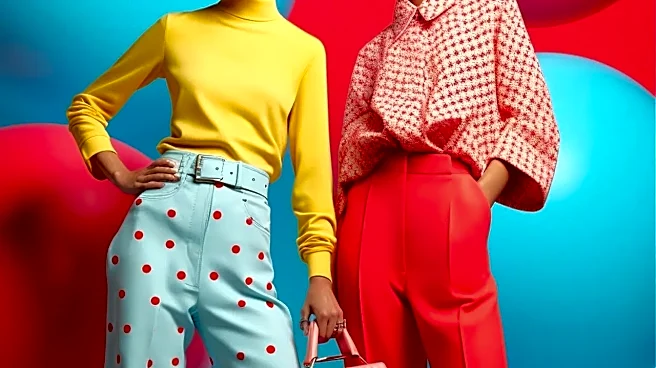
Every collection begins not with a garment, but with a feeling. Designers gather inspiration from art, history, a film, or even just a color palette, compiling these ideas onto a mood board. This visual collage sets the story for the collection. From
there, the first sketches emerge. These initial drawings are often quick and gestural, focused on capturing a silhouette or a sense of movement rather than precise details. A designer might create hundreds of these sketches, exploring exaggerated shapes and proportions to find the core ideas that will eventually define the collection's key looks. This stage is pure, unfiltered creativity—a brainstorm on paper where the first whispers of a new silhouette begin to take form.
The Blueprint: Pattern-Making and Draping
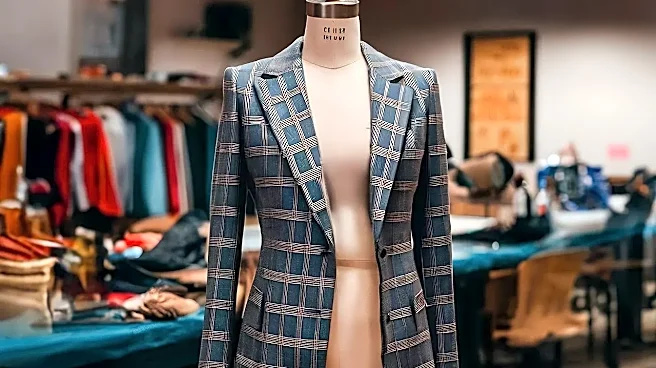
This is where art meets architecture. A pattern maker, one of the most crucial roles in a fashion house, translates the two-dimensional sketch into a three-dimensional blueprint. There are two main methods: flat pattern drafting and draping. Flat drafting involves using measurements to draw the garment's pieces on paper, like an architectural plan. Draping is more sculptural; the designer or pattern maker pins and folds fabric directly onto a mannequin or dress form to find the shape organically. This technique is essential for complex designs with dramatic folds or bias-cut fabrics that need to be seen in motion. Often, both methods are used to perfect the design, creating a precise template for every single piece of the future garment.
The First Draft: Toiles and Fittings
Before cutting into expensive silks or wools, the team creates a prototype called a toile or muslin. This is a rough draft of the garment made from inexpensive, unbleached cotton. The toile allows the designer and pattern maker to test the pattern, see how the silhouette hangs, and make crucial adjustments. A fit model, whose measurements are the standard for the collection, tries on the muslin. This is a critical feedback loop. Does it pull at the shoulder? Is there enough room to move? Small changes are pinned and marked directly onto the fabric. This fitting process can happen multiple times, with each correction being transferred back to the paper pattern until the fit and shape are absolutely perfect.
The Real Deal: Final Garment Construction
With a perfected pattern, the team finally cuts into the chosen fabric. This step requires immense precision; unlike a muslin, there are no do-overs with the final material. Seamstresses and tailors meticulously sew the pieces together, a process that can take anywhere from dozens to hundreds of hours for a single couture-level garment. More time is often spent on pressing and finishing than on actual sewing, as perfectly pressed seams are essential to a garment's structure and luxurious appearance. This is a high-pressure phase where every stitch counts, transforming flat pieces of cloth into the three-dimensional silhouette envisioned in the very first sketch.
The Final Frenzy: Backstage at the Show
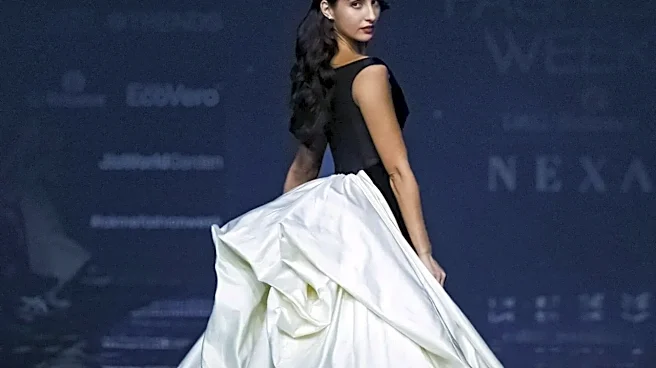
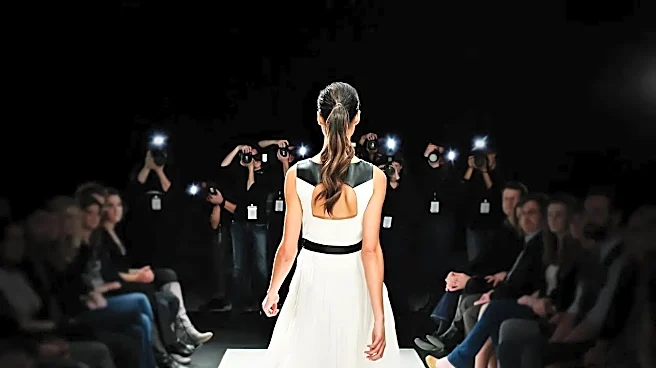
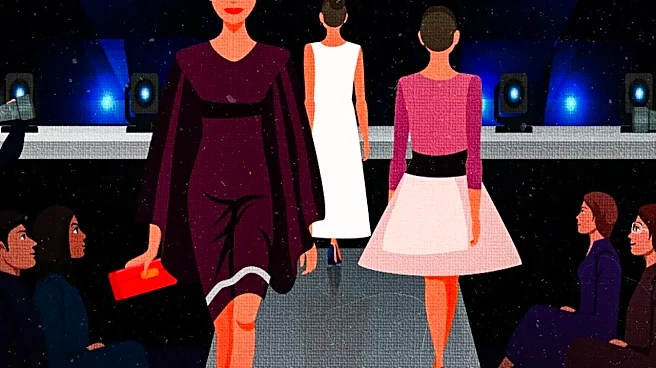
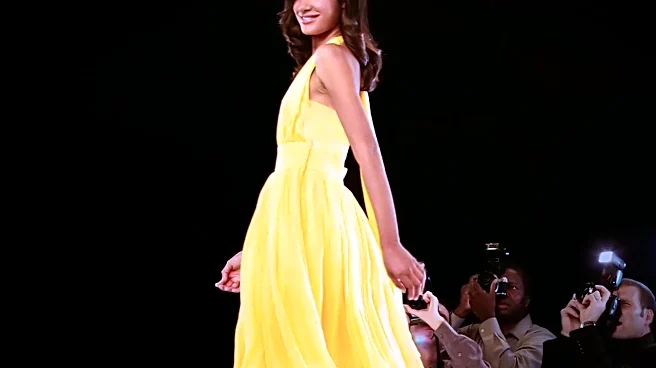
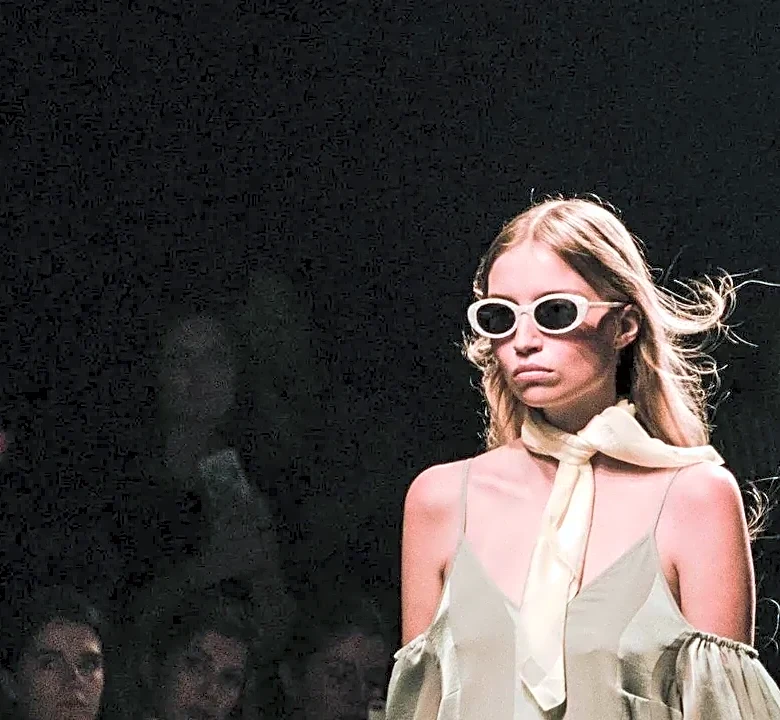
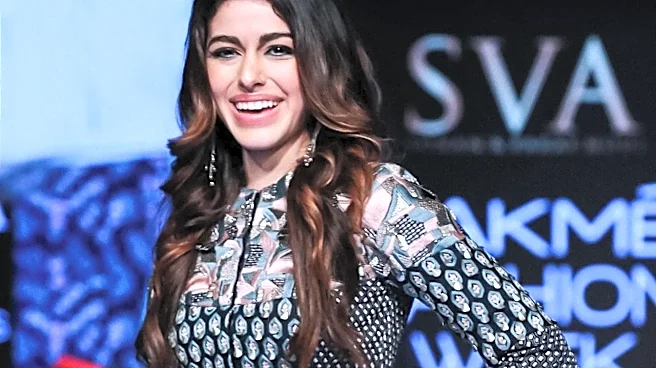
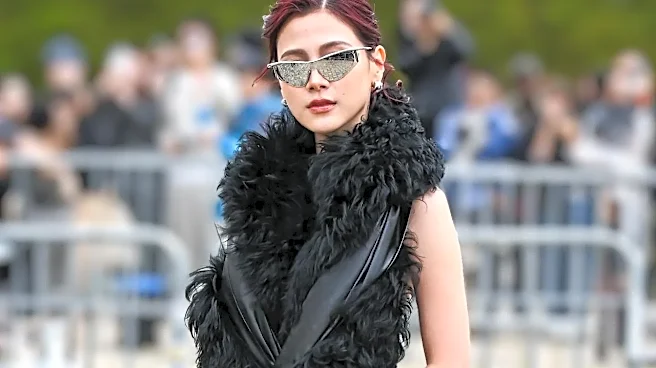
The moments before the runway are a state of controlled chaos. Backstage, the completed garments are arranged in precise order. Dressers, stylists, hair, and makeup artists work in a flurry of activity. Even at this late stage, last-minute alterations are common—a hem might be taken up with tape, or a seam might be quickly stitched to better fit the assigned model. The stylist adds the final touches—shoes, jewelry, and accessories—to complete the look defined on the mood board months earlier. The model gets dressed, receives a final check, and lines up. For a few seconds, all the work, from the first spark of an idea to the final stitch, is distilled into a single, fleeting walk down the runway.