




The Pre-Viral Red Carpet
Before the year 2000, the Grammys red carpet was certainly wild, but it wasn’t the high-stakes, globally televised fashion event it is now. Compared to the stately glamour of the Oscars, the Grammys were the music industry’s rebellious younger sibling.
The style was more rock-and-roll cool than couture. Think Annie Lennox in menswear, the coordinated chaos of Destiny's Child, or Michael Jackson’s sparkling military jackets. These were iconic moments, but they existed in a pre-social media bubble. The fashion was expressive and personal, but it rarely caused a global firestorm. It was an industry party where artists could get weird, not a calculated battleground for designers to get their dresses to go viral—mainly because the concept of 'going viral' hadn't fully formed yet.
The Dress That Almost Wasn't
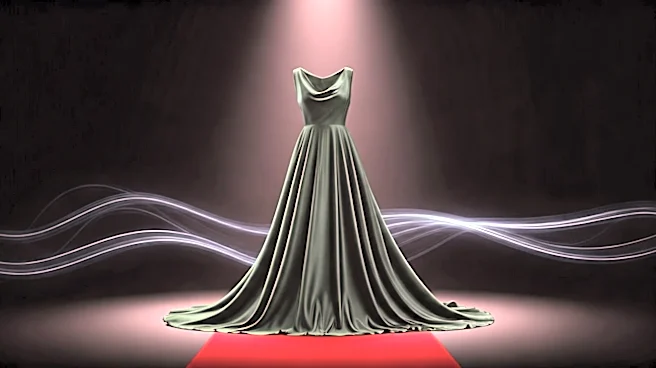
Then came the 42nd Annual Grammy Awards on February 23, 2000. Jennifer Lopez arrived on the arm of Sean “Puffy” Combs in a sheer, silk chiffon Versace dress with a neckline that plunged well past her navel. The story behind it is the crux of the “almost.” The dress wasn’t even new; Spice Girl Geri Halliwell and designer Donatella Versace herself had already worn versions of it in public. Lopez’s own stylist advised against it, worried it was already overexposed. On the day of the show, Lopez had only two final options: a safe white dress or the now-infamous green Versace. She chose the latter, reportedly saying, “This is what we’re going to wear.” It was a last-minute decision that hinged entirely on her gut instinct. Had she chosen the white dress, Grammys fashion—and a significant part of internet history—would have taken a completely different path.
The Night the Internet Changed
The reaction was instantaneous. When Lopez walked on stage to present an award with David Duchovny, the audience let out an audible gasp, followed by roaring applause. But the real story was happening online. At the time, Google was a powerful text-based search engine, but its image search capabilities were nonexistent. The morning after the Grammys, Google executives realized that the most popular search query they had ever seen was “Jennifer Lopez green dress.” Millions of people were frantically searching, but there was no direct way to show them the picture they craved. As former Google CEO Eric Schmidt later confirmed, this singular pop culture event was the direct impetus for the creation of Google Images. That one fashion choice didn't just break the internet; it forced one of the world's biggest tech companies to build a new part of it from scratch.
The Inevitable Backlash
The J.Lo moment opened the floodgates. It proved that a shocking, barely-there look could generate more buzz than winning an actual award. In the years that followed, artists like Toni Braxton (in her 2001 Richard Tyler side-less dress) and Lil' Kim continued to push the envelope. The red carpet became an arms race for audaciousness. This is the other way fashion “almost looked different.” The trend became so extreme that the institution itself tried to slam on the brakes. In 2013, network broadcaster CBS issued a now-infamous “wardrobe advisory” ahead of the show, specifically requesting that “buttocks and female breasts are adequately covered.” The memo explicitly warned against “sheer see-through clothing,” “thong type costumes,” and commercially exposed “fleshy under-curves of the buttock.” It was a direct, if futile, attempt to dial back the very culture that the green Versace dress had unleashed over a decade earlier. The effort largely failed, proving the spectacle was too powerful to contain.