






More Than Just an Armband
On paper, the role of a soccer captain seems surprisingly minimal. According to the official Laws of the Game, their only mandated duties are participating in the pre-game coin toss and the one before a penalty shootout. But in reality, that elasticated
piece of fabric on their bicep is one of the heaviest objects in sports. The captain is the primary link between the manager on the sideline and the ten other players on the field. They are the designated diplomat for discussions with the referee, the person expected to relay tactical shifts, and the first point of contact for a teammate’s frustration or a coach’s new directive. They are simultaneously a player, a manager's proxy, and a team-wide HR department, all while trying to play their own game at a world-class level.
The On-Field Coach
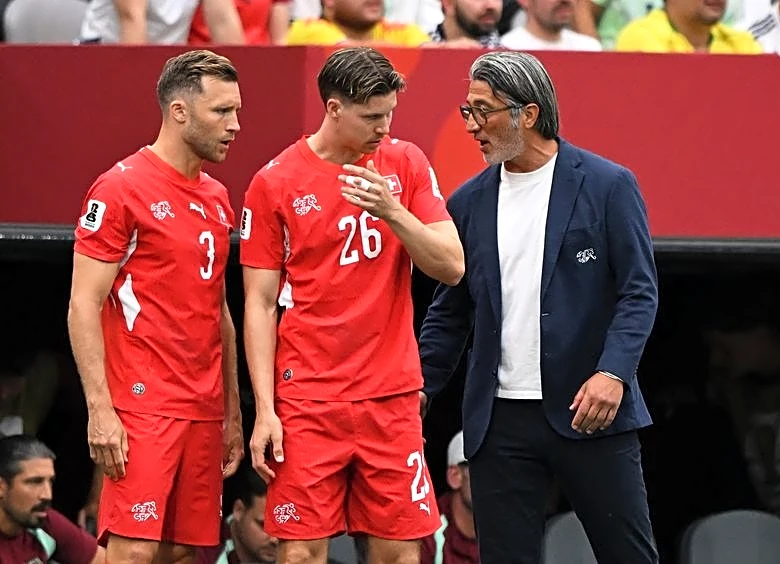
Think of the chaotic final ten minutes of a tied cup final. The stadium is roaring, instructions from the bench are lost in the noise, and players are running on fumes and adrenaline. The manager is a distant, gesturing figure, but the captain is right there in the trenches. An effective captain becomes an extension of the coach's will, a second brain on the pitch. They are the one shouting to organize the defensive line on a last-minute corner kick, pulling a hot-headed teammate away from a confrontation, or offering a quiet word of encouragement to a young player struggling with the occasion. This isn’t about being the loudest person on the field; some of the greatest captains lead by quiet example. But their responsibility is to maintain the team’s structure and focus when the game’s natural chaos threatens to overwhelm it.
The Emotional Lightning Rod
Beyond tactics, the captain serves as the team's emotional anchor. In a high-stakes tournament, anxiety is contagious. A captain is expected to absorb the collective fear and project an aura of calm and control, even when they are paddling furiously beneath the surface. Research into the psychology of leadership in elite sports shows that captains are under a unique strain to remain positive and avoid any external expression of negativity, as it can quickly infect the rest of the squad. During a losing streak, or in the tense moments of a final, teammates, media, and fans all look to the captain for answers and reassurance. They must be the face of the organization, a steady presence who can reset the team's focus after a mistake and prevent one bad moment from spiraling into a total collapse.
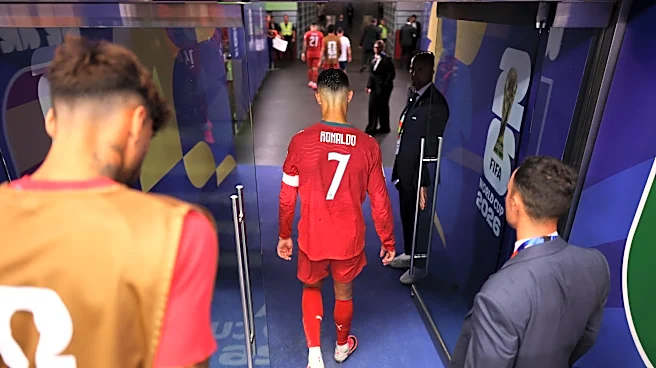
The Loneliest Walk
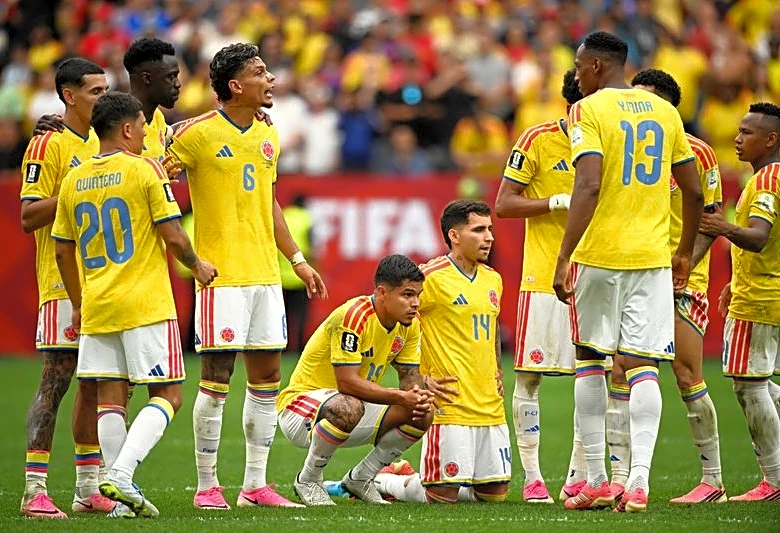
Nowhere do these pressures converge more intensely than in a final, especially one that goes to a penalty shootout. The shootout is a pure test of psychological fortitude. The captain’s job here is twofold: they must help the coach decide the order of takers and then walk to the center circle for the coin toss that determines which team kicks first—a decision laden with psychological weight. Then comes the moment of truth. Often, the captain is one of the five designated takers, expected to step up when the pressure is at its absolute peak. The most infamous example is Zinedine Zidane in the 2006 World Cup Final. The French captain, a national hero playing his last-ever game, scored an audacious early penalty but later, in a moment of immense pressure, lost his composure and was sent off for a headbutt, leaving his team to lose the shootout he was supposed to lead them through.
The Weight of History
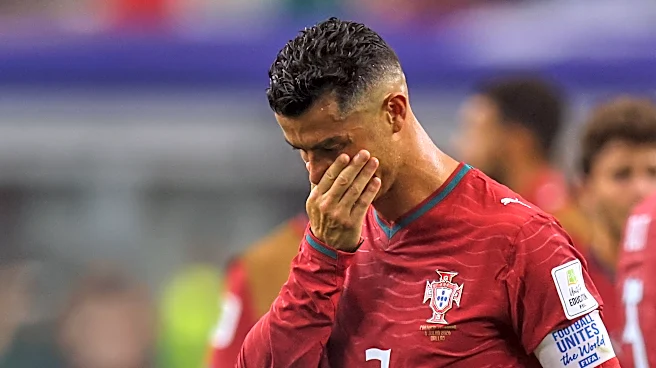
Ultimately, a captain becomes the face of the result. Their legacy is often tied to these final moments. For every Fabio Cannavaro lifting the World Cup for Italy in 2006, there is a heartbroken opponent whose tournament ended in despair. Consider the journey of Lionel Messi, who suffered the agony of losing the 2014 World Cup final as Argentina's captain, only to achieve legendary status by finally leading his team to victory in 2022. The pressure on him was almost unbearable. Recent reports from the 2026 World Cup painted a similar, painful picture, with a tearful Cristiano Ronaldo leaving the pitch after Portugal's elimination and USMNT captain Tim Ream describing himself as simply 'heartbroken' following a knockout loss. Winning solidifies a captain's place in history. Losing means carrying the burden of 'what if'—not just for themselves, but for their entire team and nation.