




From Niche Event to Seasonal Mainstay
For years, seeing a classic horror film in a theater was a special, limited engagement. Companies like Fathom Entertainment perfected the model of one- or two-night screenings, bringing beloved titles back for a quick, nostalgia-fueled run. This approach
treated re-releases as niche events for die-hard fans. But in recent years, a significant shift has occurred. Instead of a brief appearance, films like John Carpenter's 'Halloween' are now getting wide releases that span weeks, playing in hundreds of theaters. This October, the original 1978 film is scheduled for nearly 2,000 screenings in the U.S. and is expanding to 12 international markets, turning what was once a novelty into a seasonal theatrical staple.
The Low-Risk, High-Reward Economics
For theaters and distributors, the logic is simple: re-releasing a proven classic is a low-risk, high-reward business decision. The movies are already made, the marketing is practically free, and the audience is built-in. Unlike a new release, which requires a massive promotional budget to find an audience, a film like 'Halloween' is already a cultural touchstone. The horror genre, in general, has become a box office powerhouse, with its market share growing significantly in recent years. This success is driven by a young audience; in 2025, 73% of horror tickets were bought by moviegoers aged 13 to 34. These younger viewers, who primarily discover films online, are eager to experience these classics on the big screen for the first time.
The Unbeatable Communal Experience
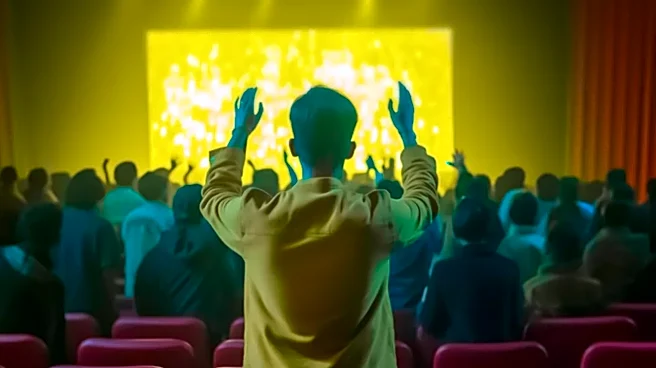
Even with classics readily available on streaming platforms, audiences are proving they will pay for the theatrical experience. There's an irreplaceable thrill in watching a scary movie in a dark theater, surrounded by strangers who are all gasping, jumping, and screaming together. Research suggests that shared emotional experiences, like watching a horror film in a group, can even cause audience members' heart rates to synchronize, amplifying the feeling of connection. This craving for in person, communal thrills has only intensified, with audiences seeking out Imax, 4DX, and other premium formats that home viewing can't replicate. As the CEO of Trancas International Films, which manages the 'Halloween' franchise, noted, new fans discover these films every year and want to experience them together in a theater.
A New Kind of Event Film
The success of these extended runs shows that the definition of an 'event film' is changing. It no longer has to be a brand new blockbuster. For many, especially infrequent moviegoers, a classic horror film offers a compelling reason to leave the house. The strategy also serves as a powerful marketing tool. This year, the re release of the first three 'Halloween' films in September was tied to the launch of a new video game, creating a multi platform promotional push. Ultimately, the month long Halloween re release is a perfect storm of smart business and cultural demand. It leverages nostalgia, provides a unique social experience, and taps into a genre that consistently draws a passionate young audience.