


It’s a classic winter dilemma: you want the cozy comfort of your favorite oversized sweater, but dread the stuffed, bulky feeling of wearing it under a coat. The good news is you can have both warmth and a clean silhouette without a struggle.
Start With the Right Pieces
Success begins
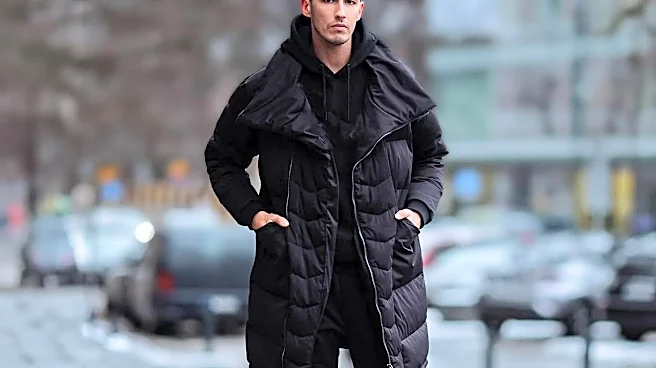
before you even start layering. Not all sweaters and coats are meant to be partners. A truly chunky cable-knit sweater with a wide, boxy fit will likely always fight with a tailored, slim-fit coat. Instead, select your players strategically. For the sweater, look for knits that are 'oversized' in drape rather than sheer thickness; materials like merino wool or cashmere blends offer warmth without excessive volume. For the coat, styles with a 'cocoon' shape, dropped shoulders, or those explicitly labeled as having a 'relaxed' or 'oversized' fit are your best bet. These are designed with extra room in the shoulders and arms, the exact spots where bunching and tightness occur most.
The Mobility Test: Can You Actually Move?
This is the most critical test. Once you have both the sweater and coat on, perform a series of simple movements. First, cross your arms in front of your chest as if giving yourself a hug. Do you feel a significant pinch or strain across your back and shoulders? Now, reach forward as if you’re grabbing a steering wheel. Finally, lift your arms out to the side and overhead. If the coat rides up significantly or the sweater sleeves twist uncomfortably, the pairing is a failure. Freedom of movement is non-negotiable. You should be able to hail a cab or reach for something on a high shelf without feeling like your outfit is holding you hostage.
The Silhouette Audit: Check the Mirror
Now, stand in front of a full-length mirror and assess the overall shape. Are you getting a sleek, intentional look, or do you feel like a rectangle with legs? The goal is to avoid what’s often called the 'Michelin Man' effect. A successful pairing will still hint at the body underneath. Pay attention to the side view. Does the sweater bunch up at your midsection under the fastened coat, creating a bulge? If so, try a French tuck—tucking just the front of the sweater into your pants—to create a waistline before putting the coat on. This small adjustment can often restore proportion and break up the bulk.
The Neckline and Cuff Check
The details at the entry and exit points matter. First, look at the neckline. If your sweater has a bulky turtleneck and your coat has a wide, dramatic lapel, they may compete for space, creating a cluttered look. A crewneck sweater often works more seamlessly under a variety of coat styles. Next, check the cuffs. Your sweater sleeve should end neatly without being so thick that it creates a tight ring at your wrist when the coat sleeve is over it. Ideally, the coat sleeve should be wide enough to glide over the sweater cuff without snagging or bunching the fabric up your arm.
The Fabric Friction Factor
Sometimes the problem isn't the size, but the texture. Certain fabrics just don't play well together. A fuzzy knit sweater, for instance, can 'grab' onto a rough coat lining, causing twisting and pulling every time you move. In contrast, coats with a smooth, silky lining (like cupro or viscose) will slide effortlessly over most knitwear. When you're testing your layers, pay attention to this friction. If you find yourself constantly adjusting the sweater underneath, it's a sign that the fabrics are battling each other. This is a subtle but crucial part of all-day comfort, and no amount of extra room can fix a bad fabric pairing.