



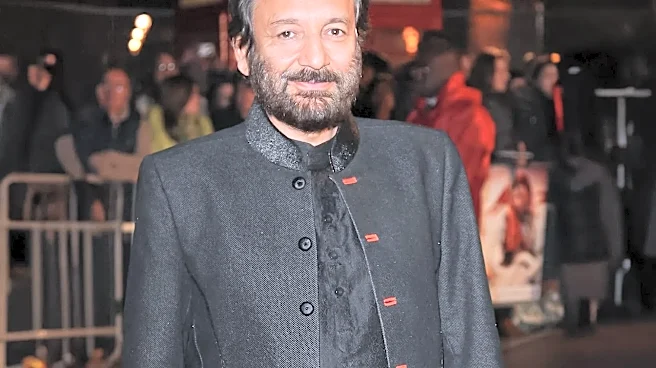

A Spectrum of Style on Display
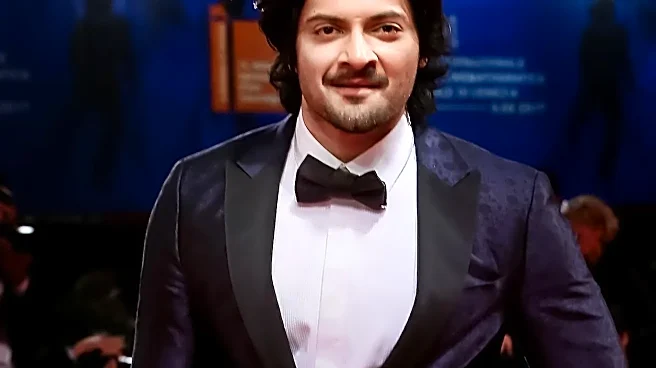
The red carpets at the major 2026 film festivals in Cannes and Venice looked more like a vibrant fashion playground than a formal procession. At Cannes, actors embraced bold accessories, with many sporting eye-catching brooches and rings. Colman Domingo,
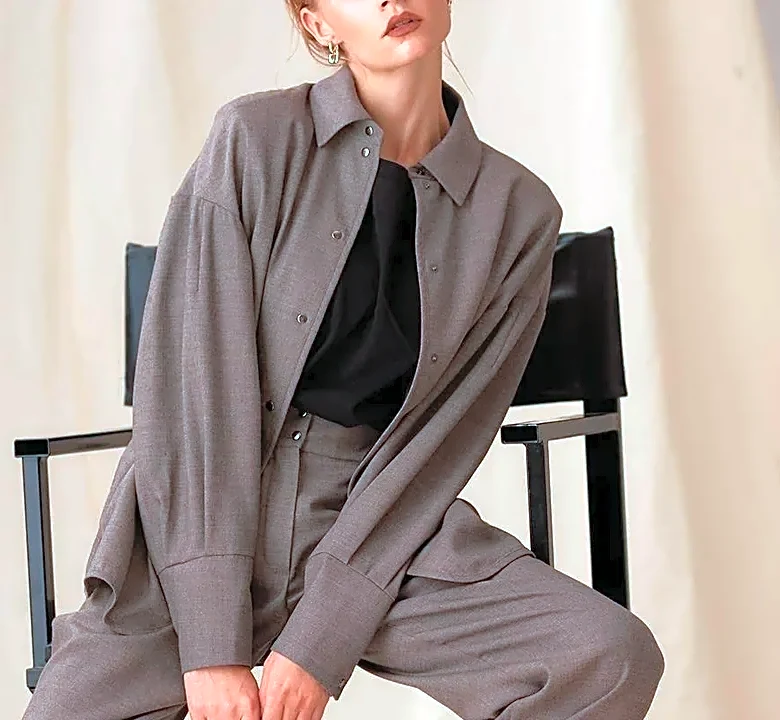
for instance, complemented his custom Valentino with a dazzling diamond and onyx brooch. Meanwhile, the Venice Film Festival showcased a wide array of styles, from relaxed, loose-fitting suits worn by stars like Liam Gallagher to the crisp, classic tailoring of Jonathan Bailey and Nicholas Galitzine. Instead of a monotonous sea of black, the events featured open-buttoned shirts, unconventional textures, and a willingness to play with color and silhouette, signaling that the rules of formalwear are being rewritten.
More Than a Suit, It’s a Statement
So, why the change? The modern red carpet has evolved from a simple photo opportunity into a crucial platform for personal branding. For an actor, a memorable fashion choice can generate as much buzz as the film they are promoting. In a crowded media landscape, standing out is essential, and a distinctive look helps craft a unique public persona. This shift sees actors using fashion as an extension of their on-screen characters or personal brand. Whether it’s Timothée Chalamet’s boundary-pushing ensembles or Donald Glover’s soulful, dandy-esque aesthetic, clothing has become a powerful tool for storytelling long before the opening credits roll.
The Power of the Stylist
This menswear renaissance isn't happening in a vacuum. Behind nearly every best-dressed man is a talented stylist. Stylists like Ilaria Urbinati, who works with stars such as Rami Malek and Chris Evans, and Jason Bolden, who styles Michael B. Jordan, have become influential figures in their own right. They act as cultural translators, connecting actors with fashion houses and encouraging them to take creative risks. These collaborations often result in custom looks that push boundaries while still feeling authentic to the star. A great stylist understands that their job isn't just to pick out clothes, but to help build an image, turning a red-carpet appearance into a defining cultural moment.
Redefining Formality and Masculinity
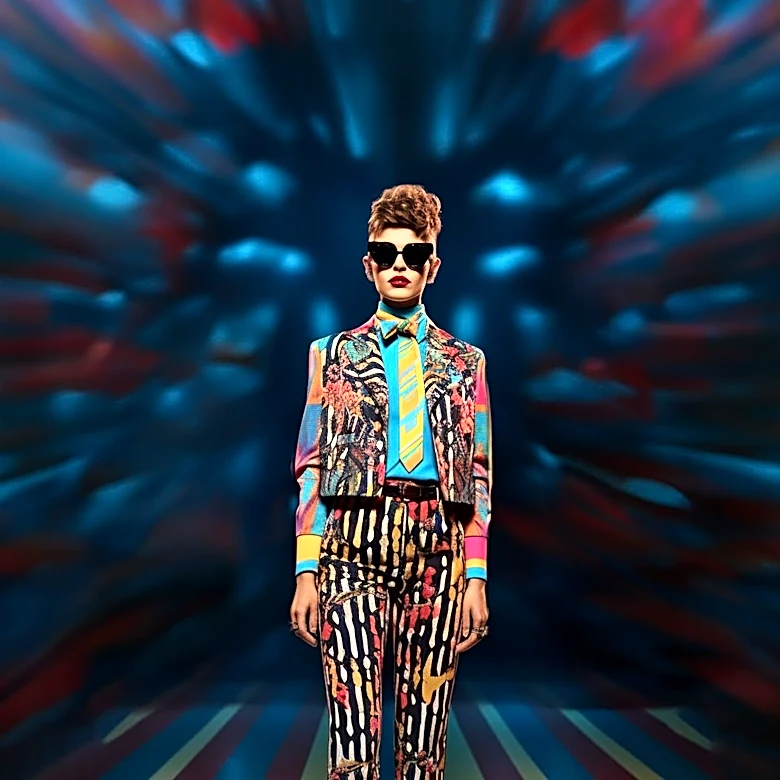
The move beyond the black tuxedo also reflects broader cultural conversations about masculinity. As societal views on gender become more fluid, so do the rules of fashion. The red carpet is now a space where men feel more comfortable embracing styles once deemed exclusively feminine, from vibrant colors and softer fabrics to jewelry and more androgynous silhouettes. This isn't necessarily about abandoning formality but rather expanding its definition. The confidence to wear a lavender suit, a chest harness, or a flowing cape is part of a larger movement that celebrates individuality and self-expression over rigid conformity. It suggests a more evolved view of masculinity, where strength and creativity can coexist.