




An Unprecedented 'Work in Progress'
Much of the initial confusion stemmed from its bizarre debut. Coppola, after a notoriously hellish production that lasted years and went wildly over budget, was not entirely finished with the film when he screened it at the prestigious Cannes Film Festival.
In an unprecedented move, it was entered into competition as a "work in progress." This simple label colored the entire reception. Critics were watching a film the director himself admitted was incomplete, leading to a sense of uncertainty. Coppola famously attacked the press at the festival, frustrated by their focus on the film's troubled production rather than its morality. This defensive posture, combined with an unfinished product, created a chaotic and contentious premiere.
A Journey Without a Clear Destination
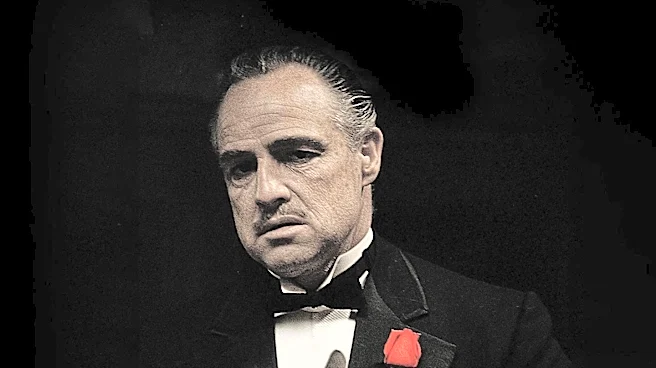
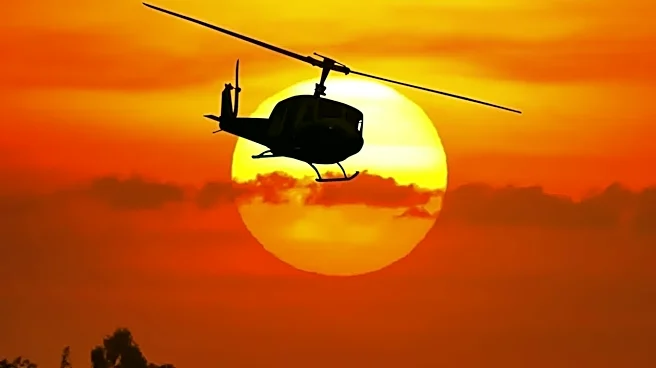
For many early viewers, the film's ambitious structure, based on Joseph Conrad's novella Heart of Darkness, was its biggest flaw. The first half, filled with spectacular set pieces like the iconic helicopter assault set to Wagner's "Ride of the Valkyries," was widely praised for its technical mastery. But as Captain Willard's (Martin Sheen) journey upriver descends further into madness, many critics felt the narrative itself disintegrated. The final act, featuring a bloated and enigmatic Marlon Brando as Colonel Kurtz, was a particular point of contention. Reviewers like Frank Rich of Time magazine called the film an "intellectually empty" and "extraordinary Hollywood folly," arguing it was a collection of breathtaking scenes that failed to cohere into a meaningful whole.
Too Much, Too Soon
It’s hard to overstate the cultural context of 1979. The Vietnam War had ended only a few years prior, and the national trauma was still raw. While films like The Deer Hunter and Coming Home had addressed the war's aftermath, Apocalypse Now plunged audiences directly into its psychological horror in a way no one had before. It was not a straightforward war film about heroism or clear-cut objectives. Instead, it was a surreal, hallucinatory, and deeply critical look at the insanity of the conflict. For a public still processing the war, this morally ambiguous and nightmarish vision was profoundly unsettling. Coppola himself declared, "My film is not about Vietnam. It is Vietnam. It's what it was really like." For many, that was a reality they were not yet ready to confront in a movie theater.
From Folly to Film Legend
Despite the divisive initial reviews—with some calling it a muddled failure and others a masterpiece—the film’s power was undeniable. Even critics who found fault with the story praised its astounding cinematography and sound design, both of which won Academy Awards. Over time, the very things that once confused viewers—the ambiguous ending, the surreal atmosphere, the philosophical weight—came to be seen as its greatest strengths. Critics like Roger Ebert championed it from the start as a masterpiece, recognizing that its goal was not to provide easy answers but to convey the profound and disturbing truths war reveals. As years passed and the cultural wounds of Vietnam began to scar over, audiences and critics alike could more clearly see the film for what it was: a visionary and uncompromising work of art that redefined the war movie.