





The Zendaya-Roach Playbook
First, let’s define “Zendaya-Level Red Carpet Thinking.” It’s not just about wearing a beautiful gown. It’s a meticulously crafted narrative, a story told in fabric and silhouette, masterminded by the star and her “image architect,” Law Roach. For years,
the pair have treated every public appearance as a storytelling opportunity. For *Dune*, she was a sci-fi goddess in futuristic Rick Owens and archival Mugler. For *Spider-Man: No Way Home*, she wore custom looks with web motifs and villain-inspired colors. And for *Challengers*, she fully embraced “method dressing,” with a tour de force of tennis-themed couture, from a Loewe dress featuring a silhouetted tennis match to literal tennis balls piercing her custom pumps. This isn’t just fashion; it’s performance art. Each outfit is a character study, a nod to the film’s theme, and a viral moment waiting to happen. The goal isn’t just to be on a best-dressed list, but to dominate the cultural conversation. This approach transforms the red carpet from a static photo opportunity into a dynamic extension of the film’s universe, generating headlines and endless social media engagement.
What Resortwear Used to Be
To understand the shift, you have to remember what resortwear (or “cruise” collections) once was. Originally, it was a purely practical, off-season collection for the one percent. In the early 20th century, wealthy clients needed something to wear on their winter holidays to warmer climes—yachting in the Mediterranean or sunning in Palm Beach. Designers responded with lightweight clothes: linen trousers, crisp cotton shirts, breezy caftans, swimwear, and wide-brimmed hats. These collections were commercially important but creatively secondary to the main Spring/Summer and Fall/Winter shows. They were about quiet luxury and utility, not spectacle. The clothes were meant to be worn on vacation, not to become the vacation themselves. For decades, this remained the standard—a reliable, if somewhat sleepy, corner of the high-fashion world.
The New Era of Destination Spectacle
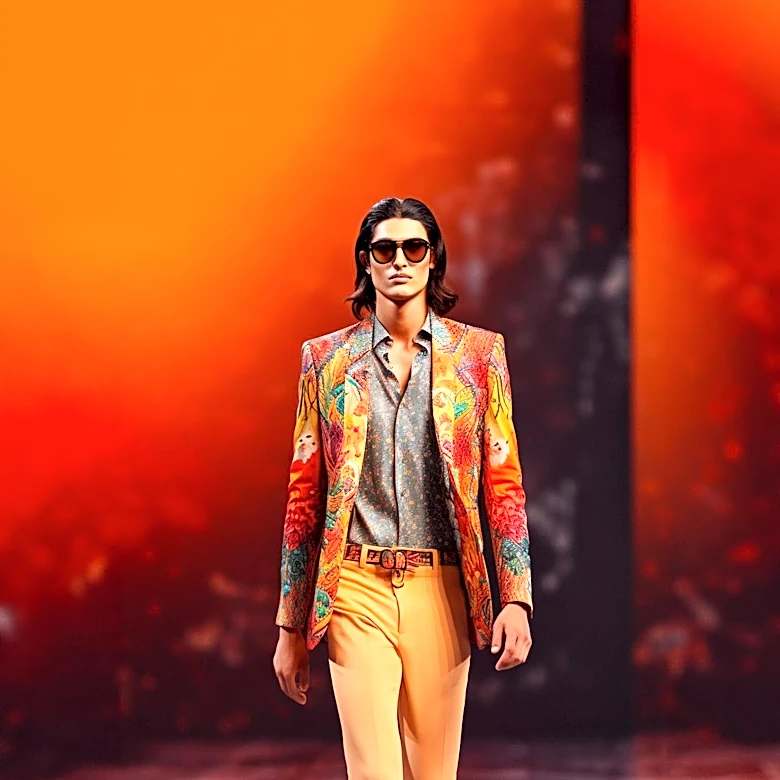
Today, that sleepy corner is gone. Resort shows have become multi-million dollar, globetrotting extravaganzas. Chanel flies hundreds of editors and clients to Monaco for a show inspired by the Grand Prix. Louis Vuitton stages a presentation at the Salk Institute in San Diego. Dior takes over a historic plaza in Seville for a flamenco-infused spectacle. These aren't just fashion shows anymore; they are immersive, highly Instagrammable brand statements. The location, the set design, the celebrity front row, and the clothes all work together to tell a cohesive story—much like a Zendaya press tour look. The clothes themselves have also evolved. While still featuring lighter fabrics, the designs are more conceptual, theatrical, and often tied directly to the chosen destination’s culture and history. The expectation is no longer just a wearable collection, but a viral “moment” that solidifies the brand's creative vision and generates massive marketing value.
Connecting the Threads
Here's where the two worlds collide. The strategic thinking that powers Zendaya’s red carpet dominance is the same logic now fueling the resortwear boom. Both are driven by the understanding that in a saturated media landscape, storytelling is currency. A simple dress is forgettable. A dress that tells a story about a tennis movie, presented on a star who embodies the role, is unforgettable. Similarly, a simple collection of summer clothes is just that. A collection presented against the backdrop of a Korean architectural marvel or a Mexican rodeo, with designs that reference the local heritage, becomes a cultural event. This mindset has raised the stakes for everyone. Brands are expected to deliver a narrative, not just a product. Celebrities are expected to bring a concept, not just a look. The passive elegance of the old resortwear ideal has been replaced by the active, high-concept performance of the new fashion era. Zendaya and Law Roach didn't invent this idea, but they perfected it for the individual celebrity, providing a powerful and highly visible template that the biggest brands in the world are now following on a grand scale.