



What Exactly Is the 3-Piece Rule?
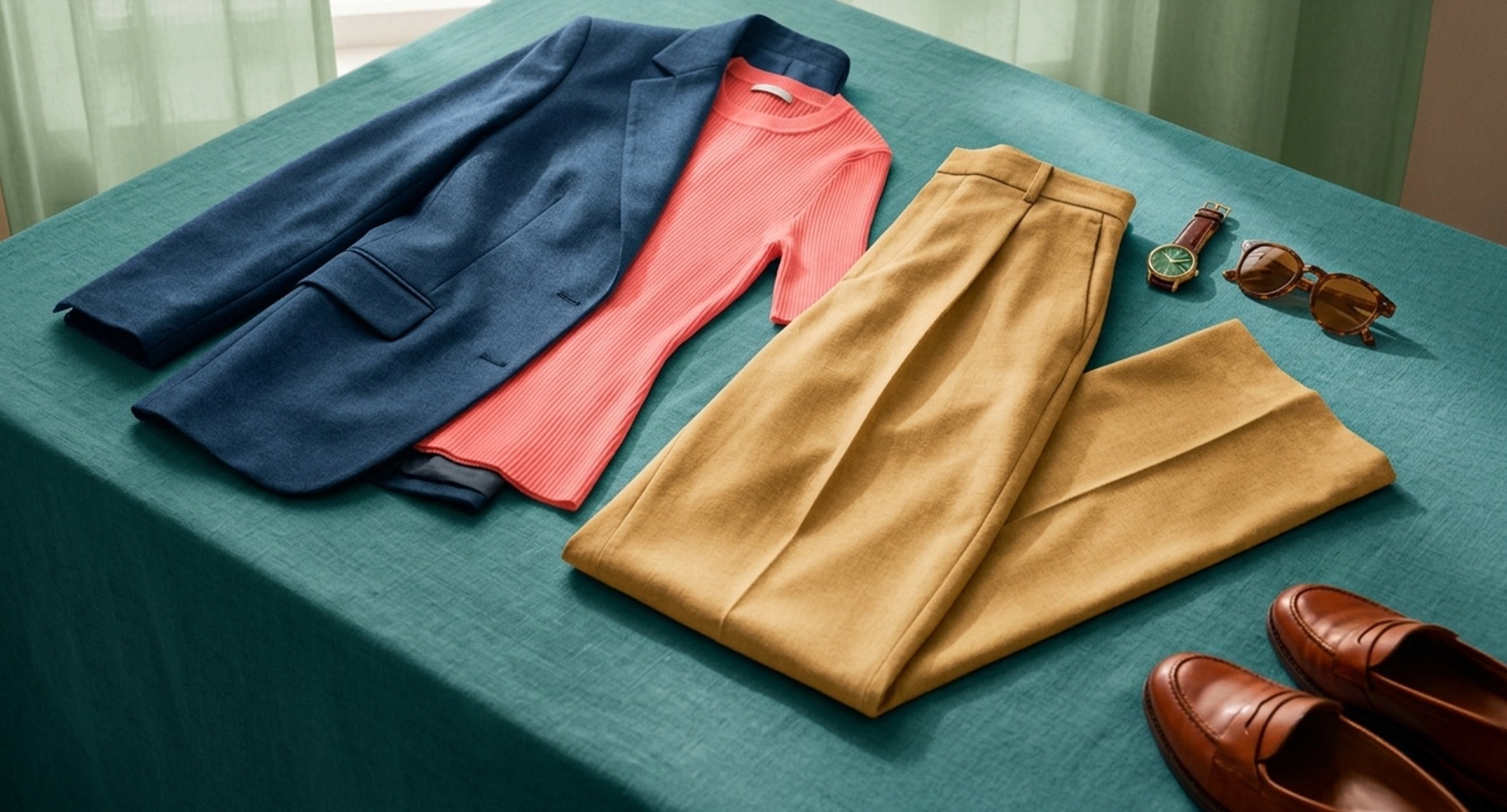
Don’t worry, this isn’t about buying a three-piece suit. At its core, the 3-Piece Wardrobe Rule is a simple formula for elevating a basic look. Most of us naturally dress in two pieces: a top and a bottom (like a sweater and jeans, or a blouse and a skirt). The rule suggests adding a third element to instantly make the combination feel more intentional and complete. Think of your first two pieces as the foundation. The T-shirt and jeans are functional; they get the job done. The third piece is where the personality comes in. It’s the item that signals you didn’t just roll out of bed and throw on clothes—you composed an outfit. This third item can be a piece of clothing, like a jacket or vest, or a significant accessory that transforms the entire
look.
Why This Simple Formula Works
The magic of the 3-Piece Rule lies in its ability to add visual interest, dimension, and a sense of polish. A simple top-and-bottom combo can look flat. Adding a third layer introduces different textures, colors, or silhouettes, making your outfit more dynamic and thoughtful. It's the difference between being dressed and being styled. Stylist Allison Bornstein, who popularized this concept in her book *Wear It Well*, explains it as a way to finish a look. That third piece acts as a punctuation mark. It could be a structured blazer that adds authority to a simple dress, a chunky belt that gives shape to a loose-fitting tunic, or a colorful scarf that injects life into a neutral palette. It’s a small effort that communicates confidence and shows you put thought into your appearance, even if it only took you 30 extra seconds.
Mastering Your 'Third Piece'
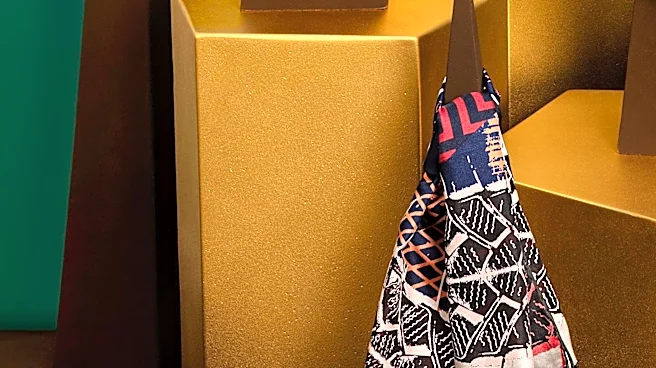
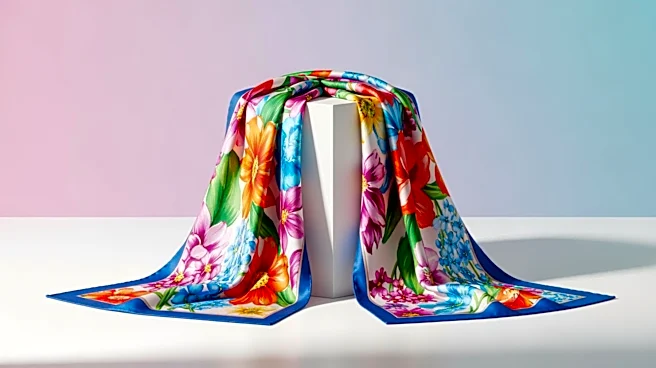
The 'third piece' is the star of this show, and you likely already own several great options. It’s not about buying more clothes; it’s about strategically using what you have. Here are some classic examples of third pieces that can instantly upgrade your look: * **The Blazer:** The ultimate transformer. Throw it over a T-shirt and jeans for a smart-casual vibe or over a simple slip dress for an evening out. * **The Cardigan:** Whether it's a chunky knit or a sleek longline style, a cardigan adds softness and texture. * **The Button-Down Shirt (worn open):** An unbuttoned chambray, linen, or flannel shirt acts like a lightweight jacket, adding a relaxed layer. * **The Vest:** A sweater vest, a tailored waistcoat, or a utility vest can completely change the character of a simple long-sleeve tee or turtleneck. * **The Statement Accessory:** Don't underestimate non-clothing items. A significant belt, a bold necklace, or a beautifully tied silk scarf can absolutely function as your third piece, drawing the eye and tying everything together.
Putting It Into Practice
The best way to get comfortable with this rule is to experiment. Start with a base you wear all the time and try adding different third pieces to see how the mood changes. Here are a few formulas to get you started: * **Weekend Casual:** Jeans (Piece 1) + White T-Shirt (Piece 2) + **Unbuttoned Flannel Shirt** (Piece 3). * **Office Ready:** Black Trousers (Piece 1) + Silk Blouse (Piece 2) + **Tailored Blazer** (Piece 3). * **Effortless Errands:** Leggings (Piece 1) + Turtleneck Sweater (Piece 2) + **Longline Cardigan** (Piece 3). * **Date Night:** Simple Black Dress (Pieces 1 & 2 combined) + **Wide Leather Belt** (Piece 3). Notice how the third piece defines the occasion and adds that crucial finishing touch. It’s a simple mental checklist to run through before you walk out the door: Do I have one, two, or three pieces on? If you're at two, grabbing that third item is the fastest way to look and feel more put-together.