






The Myth of Intrinsic Value
Let’s start with a hard truth: the modern diamond engagement ring tradition is not an ancient rite. It was brilliantly invented. Before the 1940s, diamond rings were not the standard. Then, facing low sales, the diamond cartel De Beers hired an advertising
agency and launched one of the most successful marketing campaigns in history: "A Diamond Is Forever." This campaign successfully linked the stone with eternal love, marriage, and status. It even invented the phony 'three months' salary' rule to guide spending. The goal was to create a "psychological necessity," and it worked spectacularly. This history is crucial because it reveals that the premium you pay is often for a carefully constructed story, not just a rare gem.
What You’re Really Paying For: The Four Cs
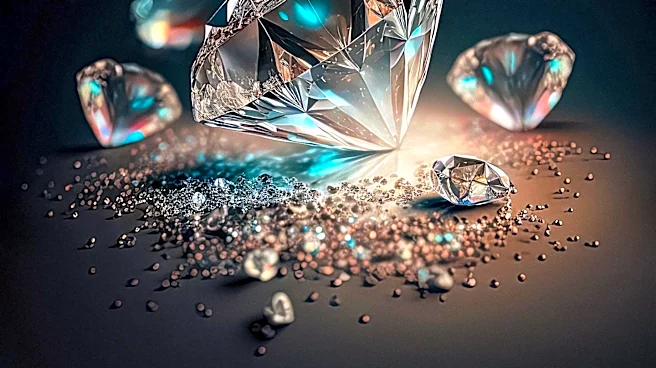
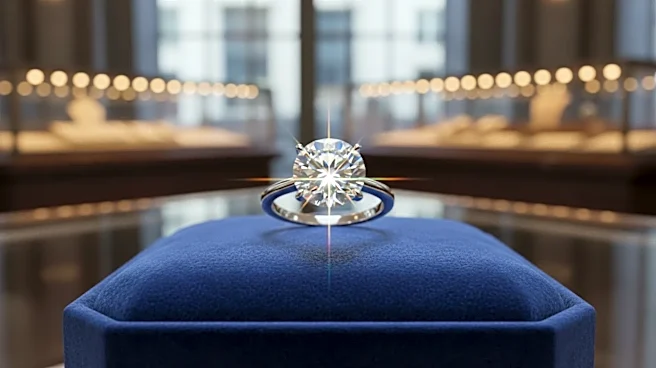
When you do pay for a diamond, you're paying for a combination of four factors, known as the Four Cs: Cut, Color, Clarity, and Carat weight. A GIA (Gemological Institute of America) certificate provides an objective grade for these attributes. Here’s the secret: not all Cs are created equal in terms of visual impact. Cut is widely considered the most important factor, as it determines the diamond's sparkle. Color is graded from D (colorless) to Z (light yellow), but a stone in the G or H range can appear perfectly white to the naked eye for a much lower price. Clarity refers to a stone's imperfections, but a 'VS2' or 'SI1' grade is often 'eye-clean,' meaning you won't see flaws without magnification. Carat is simply weight. Focusing your budget on a superior cut will often give you a more beautiful ring than chasing a flawless color or clarity grade.
The Natural vs. Lab-Grown Revolution
The biggest disruption to the diamond industry is the rise of lab-grown diamonds. These are not fakes; they are chemically, physically, and optically identical to mined diamonds. The only difference is their origin. Because they can be produced in abundance, their prices are dramatically lower — often 50-70% less than a natural diamond of the same size and quality. More than half of engagement rings sold in the U.S. now feature a lab-grown diamond. This forces a question: is the premium for a 'natural' diamond worth it? For many, the savings allow for a larger, higher-quality stone for the same budget, making the once-unattainable suddenly accessible.
The Resale Value Reality Check
One of the most persistent myths is that a diamond ring is a good financial investment. It is not. Just like driving a new car off the lot, a diamond's value drops significantly the moment you leave the store. The price you pay includes retail markup, marketing costs, and craftsmanship, none of which you recover upon resale. A natural diamond might resell for 20-60% of its original purchase price. The resale value for lab-grown diamonds is currently lower, around 10-30%, because the market is still developing and new stones are cheap to produce. In either case, you will almost certainly lose money. The ring's value is symbolic and emotional, not financial.
So, When Is a Premium Worth It?
After all this, is paying a premium ever justified? Yes, but only for tangible qualities you can see and appreciate. A premium is worth it for a superior, light-reflecting cut that makes the stone dance. It can be worth it for the artistry and craftsmanship of a unique setting from a designer you love. It might even be worth it for a certified, colorless (D-F grade) diamond if that pristine quality is genuinely important to you and fits your budget. What is not worth the premium is the vague, marketing-driven promise of 'rarity' as a financial investment, or the pressure to follow an outdated salary 'rule.' The premium should be for tangible beauty and quality, not for a story someone else wrote.