




The Old Gods of Hollywood: Tracking Reports
For decades, Hollywood studios have leaned on a form of prophecy known as “tracking.” It’s a system of surveys and data analysis designed to predict a movie’s opening weekend performance. These reports measure audience awareness, interest in seeing a film,
and which demographics are most excited. They are the metrics that determine last-minute marketing spending and shape the narrative of success or failure before a single ticket is sold on Friday. This pre-release tracking is an expensive, data-driven attempt to turn the art of moviemaking into a science of predictable returns. In theory, it tells a studio everything it needs to know. But its methods, often rooted in polling techniques from the 1970s, have struggled to keep pace with the speed and complexity of modern social media and word-of-mouth.
The Unfiltered Truth of the Barbecue Test
A holiday weekend, however, offers a different, more brutally honest kind of data. This is the “barbecue test.” It’s the organic conversation happening in backyards, on social media feeds, and across group chats. Is anyone actually buzzing about the fifth installment of that superhero saga? Or is everyone talking about a surprise horror hit or flocking to see a nostalgic legacy sequel that feels genuinely special, like “Top Gun: Maverick” did years ago? While tracking reports measure manufactured awareness, the holiday weekend exposes genuine, unprompted desire. It’s the difference between someone telling a pollster they’re “aware” of a movie and them actively telling their friends, “We have to go see this.” That organic social buzz is a far more potent indicator of a film's cultural resonance—or lack thereof.
When the Buzz Goes Silent
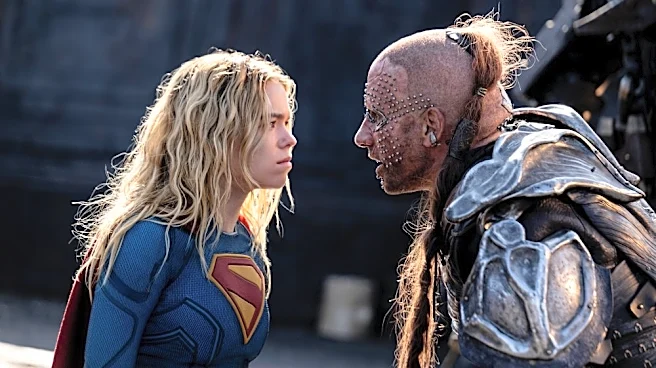
The summer of 2026 is already providing clear examples. Heading into the July 4th holiday, the box office is crowded with big names. We have “Minions & Monsters,” the latest in the reliable “Despicable Me” franchise, and “Spider-Man: Brand New Day,” a near-certain blockbuster. But other franchise entries are facing a tougher road. The DC spinoff “Supergirl,” which opened in late June, has been met with soft buzz, and analysts are skeptical it can reach major blockbuster numbers, despite its ties to the successful 2025 “Superman” film. Likewise, “The Mandalorian and Grogu” had a respectable Memorial Day opening but failed to generate the kind of must-see excitement typical of a “Star Wars” theatrical release, with some insiders divided on whether its performance was a win or a warning sign. This is franchise fatigue in real time: audiences are no longer showing up just because of a familiar name.
Quality, Not Just IP, Is the New King
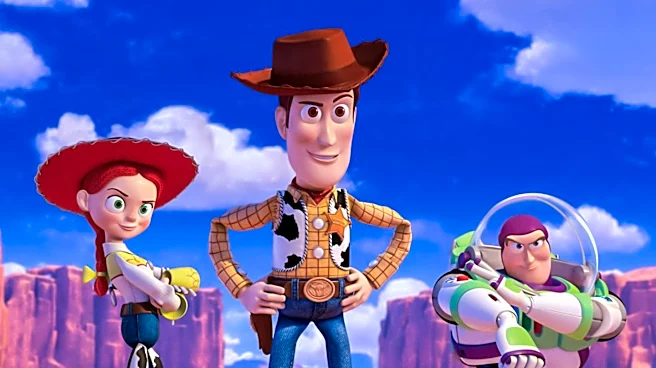
This isn't to say all franchises are doomed. The narrative that audiences are tired of sequels is too simplistic. As the continued success of Pixar’s “Toy Story 5” or Illumination’s “Minions” series demonstrates, people will still flock to familiar worlds if the quality is high and the story feels necessary. The problem arises when a franchise entry feels like a contractual obligation or a soulless placeholder on a release schedule. The key takeaway for studios is that audience trust is no longer baked into the intellectual property itself; it must be re-earned with each installment. The complaint isn’t about sequels, but about a perceived drop in creative effort. Audiences are signaling a desire for quality and originality, whether that comes from a fresh idea or a sequel that respects their time and intelligence.