


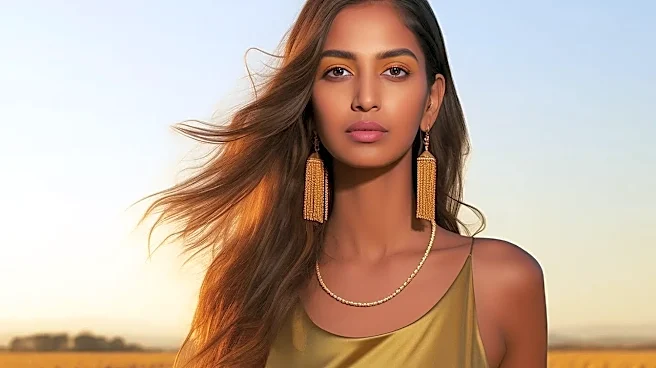

You’ve found the perfect evening gown, but something feels incomplete. The secret to a truly stunning look lies in the synergy between your dress and your hair. The right hairstyle doesn't just complement your gown; it balances the entire silhouette.
The First Rule: Complement the Neckline
Before considering anything else, look at your gown’s neckline. This is the primary frame for your face and sets the stage for your hair. The goal is harmony, not competition. If a dress has a high neck, halter, or intricate collar, an updo is almost always the best choice. Pulling your hair up—whether into a sleek chignon or a soft, romantic bun—allows the gown’s design to shine without visual clutter. For open necklines like a strapless, sweetheart, or V-neck, you have more flexibility. These styles leave the neck and shoulders bare, creating space that can be beautifully balanced with hair worn down in soft waves or swept to one side.
Updos for Elegance and Emphasis
An updo is your go-to for creating a polished, formal, and elongated silhouette. It draws the eye upward, highlighting your jawline and neck. This is particularly effective when you want to showcase statement earrings or the detailed back of a gown. Think of updos as a tool for emphasis. For dresses with a lot of intricate beading, lace, or dramatic structural elements, a simple, contained hairstyle like a classic bun ensures the dress remains the focal point. An updo doesn't have to be severe; a soft, wispy bun can feel romantic while a high, sleek ponytail offers a modern, chic edge.
The Allure of Flowing Hair
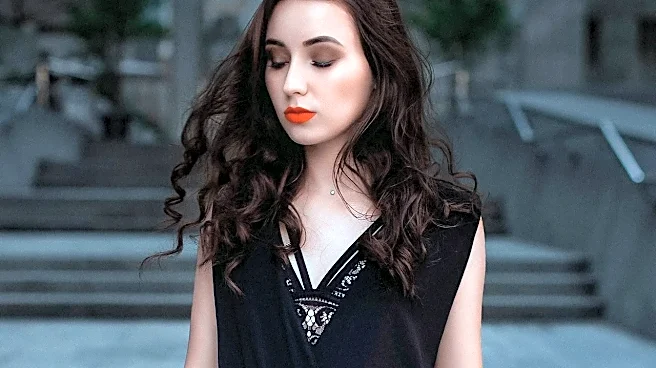
Wearing your hair down can project romance, softness, and an effortless glamour. For gowns with a simpler silhouette, like a minimalist slip or a classic A-line, flowing hair can add a necessary element of texture and movement. V-neck gowns are particularly well-suited to cascading curls, as the vertical lines of the hair echo and enhance the elongating effect of the neckline. Half-up, half-down styles offer a perfect compromise, providing the face-framing softness of wearing hair down while keeping it neatly pulled away to reveal the face and neckline. This is an excellent choice for strapless or sweetheart dresses where a full updo might feel too bare.
Balancing Visual Weight and Proportion
The core of styling is managing 'visual weight'. A voluminous, dramatic ball gown already has a lot of presence. Pairing it with equally voluminous hair can overwhelm your frame. Instead, a structured updo provides a sophisticated counterpoint that balances the proportions. Conversely, a very simple, sleek sheath dress can handle more volume up top. The concept also applies to asymmetry. For a one-shoulder gown, the rule is to create balance; style your hair to the side of the bare shoulder. This can be achieved with a side-swept ponytail or by pinning curls to the open side, ensuring the gown's asymmetrical detail is celebrated, not hidden.
Considering Fabric and Embellishments
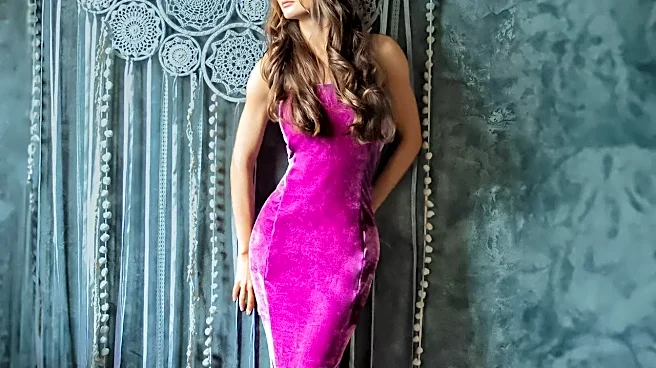
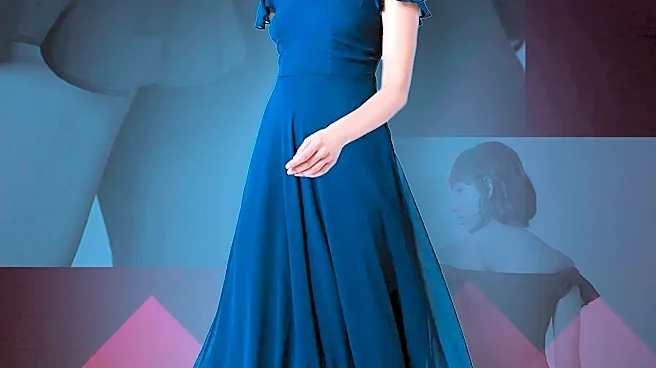
Finally, let the texture of your gown guide your hair's finish. A romantic, flowing dress made of chiffon or soft tulle pairs beautifully with equally soft styles like loose braids or natural waves. A structured gown in a crisp fabric like satin or mikado, however, calls for a more polished and sleek hairstyle to match its clean lines. If your dress is heavily embellished with sequins or beading, opt for simplicity in your hair. A sleek, polished look, whether up or down, prevents the overall ensemble from becoming too busy. The hair should harmonize with the dress, creating a complete and intentional look from head to toe.