



More Than Just a Great Playlist
The term “music supervisor” might sound like someone who just makes killer playlists, but the job is far more complex and crucial. A supervisor is a key creative partner who oversees every musical aspect of a production. This starts with collaborating
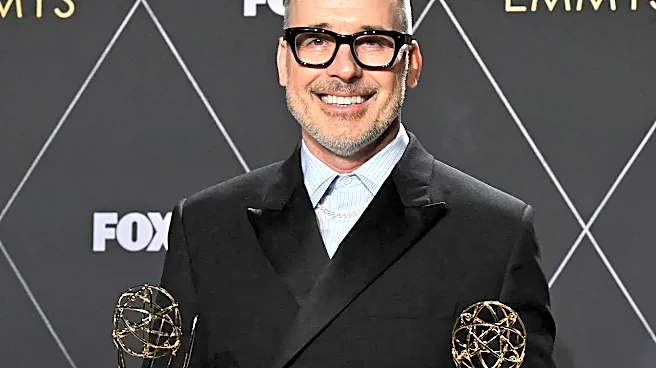
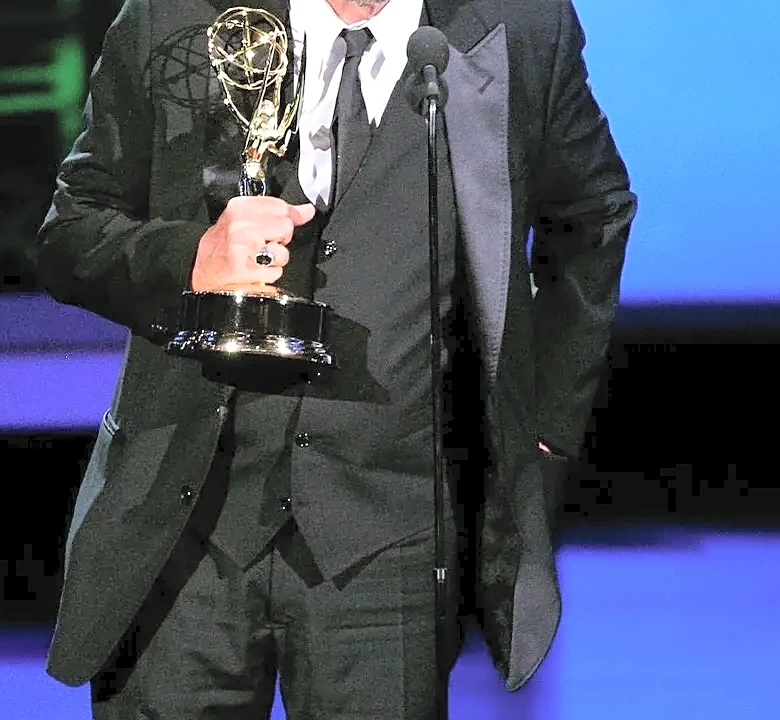
with showrunners and directors to define the show's core sound. It’s a role that blends deep artistic instinct with the gritty realities of production. Supervisors are responsible for sourcing and clearing the rights for every piece of pre-existing music, a process that involves intense negotiation and budget management. They also work hand-in-hand with composers to ensure the original score and the licensed tracks feel like part of the same universe. The Television Academy officially recognized the importance of this craft by introducing the Outstanding Music Supervision Emmy in 2017, acknowledging that these individuals are essential storytellers.
Building Worlds with Sound
In today’s hyper-saturated streaming landscape, a show needs a strong, unique identity to stand out. A brilliant music supervisor achieves this by creating a distinct “sonic identity.” This is more than a soundtrack; it’s an audible world that defines character, setting, and tone. Think of the anxious, classical-meets-techno score of "The White Lotus," which instantly evokes a sense of luxurious dread. Consider the meticulously curated 1950s tunes in "Fallout," which create a brilliant, eerie contrast with the post-apocalyptic visuals. Or look at long-running nominees like "Stranger Things," where Nora Felder’s use of 80s synth-pop and rock isn't just nostalgic—it’s the sonic wallpaper of Hawkins, Indiana. This world-building is what separates good shows from unforgettable ones. The music becomes a character in its own right, helping the audience connect emotionally and pinning memories to specific moments.
The Needle Drop That Breaks the Internet
While building a consistent sonic world is foundational, the power of a single, perfect song choice—the “needle drop”—can elevate a show to a cultural phenomenon. The most famous recent example is Kate Bush’s “Running Up That Hill” in "Stranger Things." That perfectly executed moment didn’t just serve the plot; it drove the song to the top of the charts decades after its release, creating a massive, cross-generational cultural conversation. These are the moments Emmy voters notice. A great needle drop isn’t just about picking a good song. It’s about timing, context, and emotional resonance. It’s a testament to a supervisor’s ability to find the exact right track that can amplify a scene’s impact tenfold, making it unforgettable and, more importantly for studios, imminently shareable online.
From Vibe-Setter to Key Storyteller
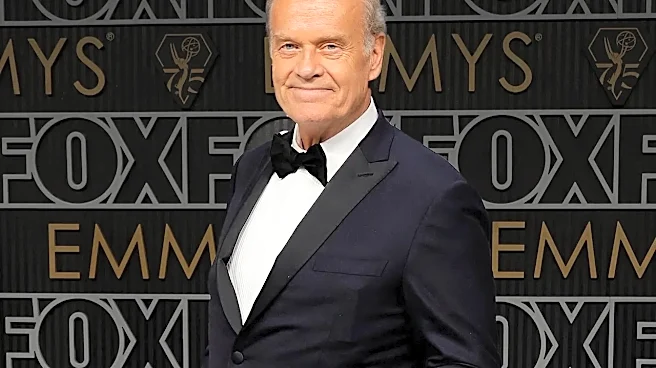
The evolution of television from episodic programming to long-form cinematic storytelling has elevated the role of the music supervisor. Music is no longer just background filler or a way to transition between scenes. Today, it’s a narrative driver. Supervisors on 2026 Emmy-nominated shows like "Widow's Bay" and "Pluribus" are celebrated for using music to reveal a character's internal state, foreshadow plot points, or create jarring, effective tonal shifts. For example, a character’s private playlist might tell us more about them than their dialogue. An anachronistic song choice can signal that something is off in the world of the show. This deep integration of music into the story is what separates contemporary masters of the craft. They aren't just decorating scenes; they are co-authoring them.