


The Death of the Monologue
There’s a classic, almost mythical, image of an awards show speech. It involves a long list of thank-yous to agents, managers, family members, and that one third-grade teacher who always believed. It’s heartfelt, a little long, and often forgotten by
the time the next award is announced. While these speeches still happen, they increasingly fade into the background noise of a major pop culture event like the MTV Video Music Awards. The speeches that now define an evening are the ones built for a different stage: the internet. The era of the six-minute ramble, like Greer Garson's record-setting Oscar speech in 1943, is long gone. Today’s artists understand that their audience isn't just in the theater; it’s the millions scrolling through their feeds the next morning. A moment has to be shareable to be memorable. This has fundamentally changed the art of the acceptance speech, turning it from a personal expression of gratitude into a piece of strategic media.
Crafted for the Algorithm
The platforms that drive internet culture—TikTok, Instagram Reels, X (formerly Twitter)—are built on a foundation of brevity. Their algorithms are designed to identify and amplify short, high-impact content that grabs a user's attention in the first few seconds. A three-minute speech, no matter how eloquent, is an uphill battle for engagement. It requires a viewer to stop scrolling, invest time, and likely click a "read more" or "watch full video" button—a cardinal sin in the attention economy. In contrast, a 20-second clip of an artist delivering a sharp political statement, a hilarious one-liner, or a powerful, condensed emotional message is algorithmic gold. It's easily digestible, re-watchable, and shareable. Artists and their teams know this. A VMA speech is no longer just a speech; it’s a content creation opportunity. A concise, meme-able moment can generate more buzz and cultural relevance than the award itself, becoming a tool for defining an artist's brand and public persona.
The Anatomy of a Viral Speech
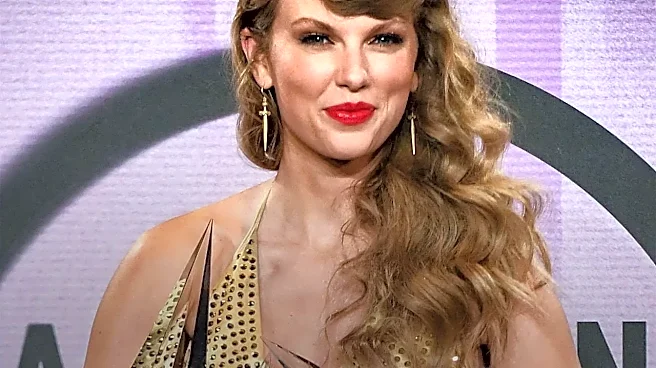
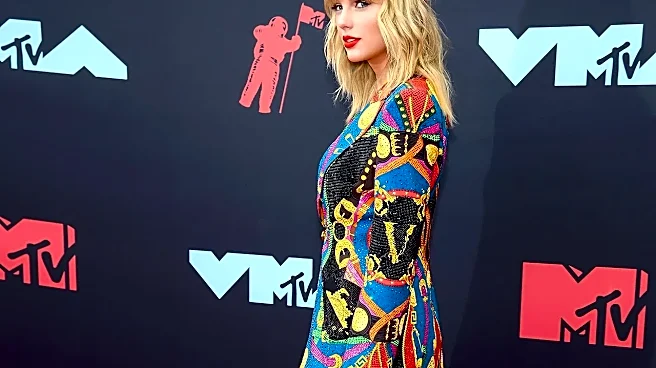
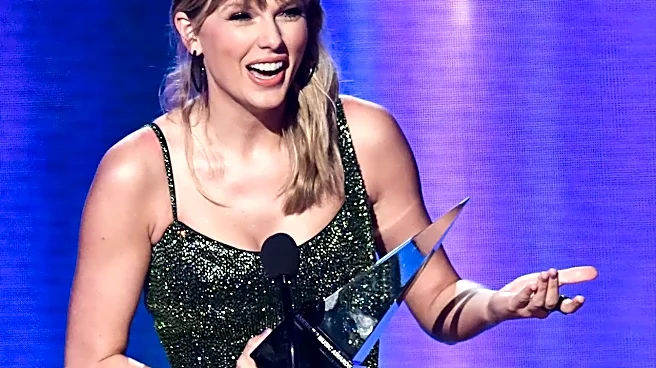
The most memorable VMA moments are often the most concise. Think of Nicki Minaj’s iconic, confrontational “Miley, what’s good?” in 2015. It was short, shocking, and instantly became a cultural catchphrase. It wasn't a long speech about her art or her team; it was a burst of raw, televised drama perfectly packaged for online consumption. Similarly, when Taylor Swift accepted the Video of the Year award, her speech often made pointed, shareable statements. In 2019, she used her platform to highlight the petition for the Equality Act, even tapping her wrist to signal that the White House's time to respond was ticking. The message was political, potent, and easily clipped for social media. These moments stand in stark contrast to longer, more rambling speeches, like Kanye West's 10-minute Vanguard Award speech in 2015, which, while memorable for its sheer audacity and presidential bid announcement, was too long and tangential to be easily shared in its entirety. The snippets that went viral were the isolated, shocking lines, not the whole address.
Authenticity in 45 Seconds
Some might argue that this trend forces artists into a performative, inauthentic box, sacrificing genuine emotion for a calculated sound bite. But that’s a misunderstanding of the modern media landscape. Authenticity isn’t about length; it’s about impact and connection. A well-crafted, concise speech can be more authentic and powerful than a rambling one because it forces the speaker to distill their message to its core. There's an art to saying something meaningful under pressure, and the time limit can be a creative asset. When an artist uses their brief moment to champion a cause, land a perfect joke, or express a singular, powerful emotion, it resonates deeply. It shows a command of the stage and an understanding of the moment. In a world saturated with content, clarity is king. The ability to deliver a message that is both true to oneself and perfectly suited for the medium is the new measure of a master communicator.