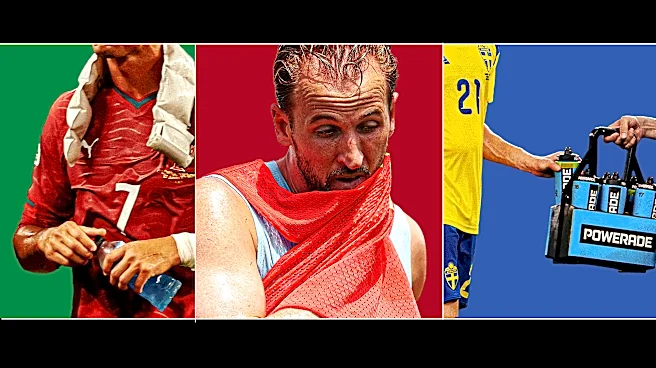







More Than Just a Dead Ball
For years, a corner or a wide free kick was seen as a bonus opportunity, a moment of chaos that might, with a bit of fortune, lead to a goal. Now, it's a science. In major international tournaments, where games are often tight, cautious affairs, the dead
ball is king. Defenses are so organized in open play that creating clear chances is harder than ever. A set piece provides a rare moment of control in a fluid game—a chance to stop, reset, and execute a pre-rehearsed routine. The numbers back it up: at the 2018 World Cup, a record-breaking 43% of goals in the group stage came from set pieces, including penalties. While that number has fluctuated, the underlying trend is clear: teams that master set pieces give themselves a massive advantage.
The Rise of the Specialist Coach
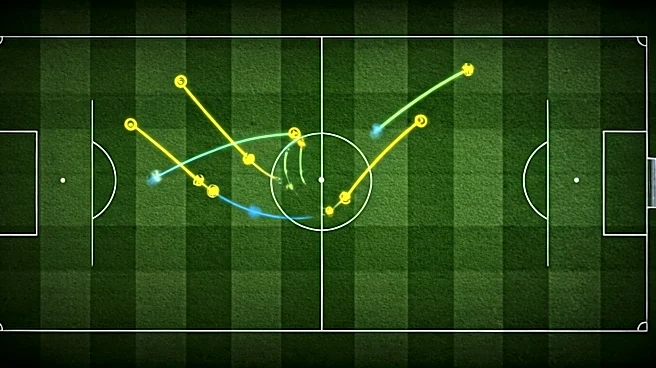
If set pieces are a team's secret weapon, the set-piece coach is its Q-Branch. A decade ago, this role barely existed. Today, it's one of the hottest trends in elite soccer. Specialists like Gianni Vio, a former Italian banker who masterminded Italy's routines for their Euro 2020 triumph, and Nicolas Jover, who has transformed Arsenal's dead-ball threat, are becoming as crucial as any assistant. These coaches don't just draw up a few plays; they spend hours analyzing opponents' defensive structures, identifying weak spots, and designing dozens of routines to exploit them. They are tactical innovators, choreographing the 'organized chaos' of the penalty box with blockers, decoys, and specific movement patterns to free up a key player for a decisive header or shot.
Moneyball on the Pitch
Behind every successful set-piece routine is a mountain of data. The analytics revolution has completely transformed how teams approach these situations. Analysts use advanced metrics and video software to pinpoint the highest-percentage delivery zones for a corner kick or identify which opposition defender is most likely to lose his man. Teams now know that a fast, in-swinging corner to the near post might have a slightly higher success rate against a team that uses a specific zonal marking system. This 'Moneyball' approach, famously pioneered in the Danish league by clubs like FC Midtjylland, allows teams to make evidence-based decisions, turning a game of inches into a game of calculated probabilities. They can even simulate game scenarios to practice and refine their plays.
The Great Equalizer
In tournament football, set pieces are the ultimate equalizer. An underdog nation might not have the star power to match a global giant in open play, but anyone can execute a perfectly planned corner kick. It levels the playing field, offering a pathway to goal that relies more on tactical preparation and discipline than on individual brilliance. For powerhouse teams, it's another tool in their arsenal for breaking down stubborn, deep-lying defenses. For lesser teams, it can be their entire game plan—a way to stay competitive, snatch a goal, and perhaps pull off a historic upset. In the pressure cooker of a World Cup or Euros, where one goal can decide a nation's fate, that kind of weapon is priceless. The ability to turn a dead ball into a live threat is no longer a bonus; it's a fundamental part of the blueprint for glory.