

The Core Philosophy: Everything Has a Twin
In the world of massive live events, the guiding principle is redundancy. Production teams assume that failure is not a possibility, but an inevitability. The solution is to have a duplicate for every single critical component. Think of it as a 'Noah's
Ark' approach to technology: for every audio console, video server, or power line, another one is standing by, ready to take over instantly. This strategy, known as having an A/B system, is the bedrock of a smooth production. If System A has a problem, the operator can switch to the identical System B so seamlessly that the audience, and often even the artist on stage, never knows a glitch occurred. This applies to everything from the smallest cable to the largest video screen.
When the Microphone Goes Quiet
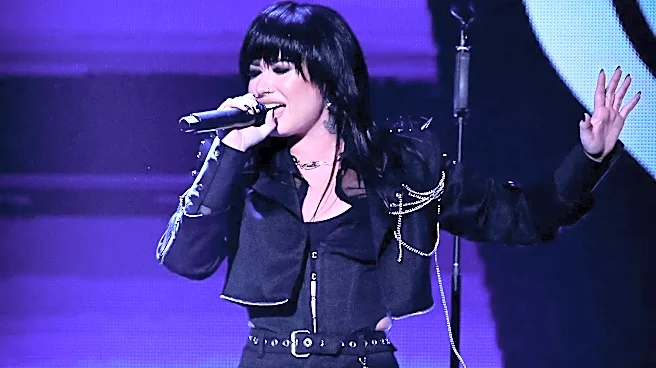
An artist’s microphone going silent is a classic nightmare scenario. To prevent this, redundancy starts with the performer. Key artists are often equipped with two wireless microphone packs, and a wired backup is always waiting in the wings. An audio technician is constantly monitoring wireless frequencies to prevent interference. From there, the signal travels to a front-of-house mixing console, which also has a mirrored backup. If the primary console fails, the backup can take over without losing the complex audio mix. Audiences may forgive a video glitch, but bad audio can kill the energy of a show instantly, making audio redundancy one of the highest priorities for the crew.
Keeping the Screens and Lights On
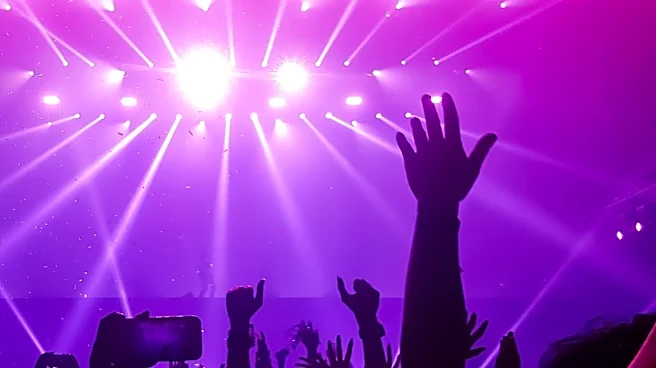
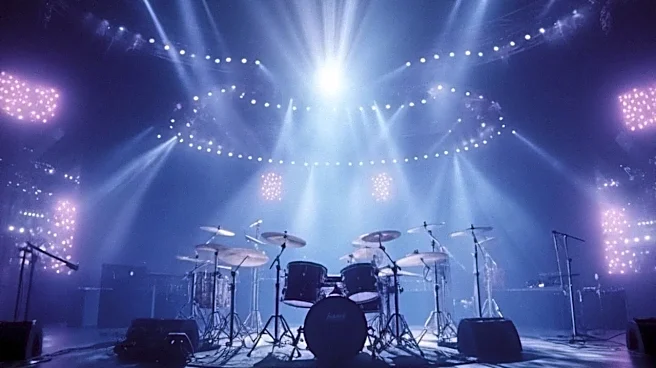
The stunning visuals—from the giant LED walls behind the artists to the intricate lighting cues—are just as vulnerable as the audio. The video content is run from powerful media servers, and just like the audio consoles, there is always a backup server running in perfect sync. If the primary server freezes, the secondary one is activated. The same goes for the complex lighting rigs. For massive events like the iHeartRadio Music Festival, which are also live broadcasts, this visual consistency is paramount. Every camera angle and lighting effect has to work for both the live crowd and the millions watching at home on platforms like Hulu and Disney+.
The Unseen Power Grid
None of the lights, speakers, or screens can function without electricity, making power the most fundamental and potentially disruptive point of failure. Festivals of this scale cannot rely on a single power source. They often create their own power grid on-site using multiple, high-capacity generators. These systems are designed with a primary and a backup generator configuration. Critical components are also connected to uninterruptible power supplies (UPS), which are essentially giant batteries that provide immediate power in the split second it might take to switch from a failing primary generator to the backup, ensuring there's no lapse in electricity.
The Ultimate Failsafe: The People
While technology provides the tools for redundancy, the true backup plan is the team of highly experienced professionals running the show. At the center of this human network is the 'show caller,' the person who acts as the production's director, calling out every single cue for lighting, sound, and video from a script. This individual, along with a team of producers, stage managers, and specialized technicians, has rehearsed for countless hours. They run drills where they simulate failures—unplugging a key cable or shutting down a server—to practice their response so it becomes muscle memory. It's their calm, decisive action in a high-pressure moment that makes all the technical backups work as intended, ensuring the show goes on without a hitch.