





The Case for a Gotham Christmas
The argument for 'Batman Returns' as a holiday film is built on a mountain of festive evidence. The entire movie is set during Christmastime in Gotham, which is blanketed in snow and draped in decorations. The plot is kicked into gear during the city's
Christmas tree lighting ceremony, which is violently interrupted by the Red Triangle Gang. From there, the Christmas dressing is relentless. Characters wish each other a 'Merry Christmas', Max Shreck is called 'Gotham's own Santa Claus' while tossing gifts from a sack, and a key romantic moment between Bruce Wayne and Selina Kyle is prompted by mistletoe. One writer even argues the film needs Christmas for its plot to work, much like the classic holiday-action film 'Die Hard'. The villains' plans are specifically timed to holiday celebrations to maximize crowds and chaos. For supporters, the sheer volume of holiday imagery and plot integration makes its status undeniable.
The Case Against Holiday Cheer
On the other side, many argue that simply taking place at Christmas doesn't make something a Christmas movie. The core of this argument is thematic: 'Batman Returns' is exceptionally dark, cynical, and violent. It's a story about murder, revenge, and deep psychological trauma, themes that stand in stark contrast to the hope and joy typically associated with holiday films. While there are trees and lights, the film's soul is anything but festive, leading some to call it an 'anti-Christmas movie'. The Penguin's origin story involves his parents dumping him, a monstrously deformed baby, into a sewer on Christmas. Selina Kyle's transformation into Catwoman is a psychotic break born from loneliness and rage. There's no heartwarming redemption or coming together. The Christmas setting, from this perspective, is merely ironic wallpaper for a grim, gothic tragedy.
A Very Burton-esque Holiday
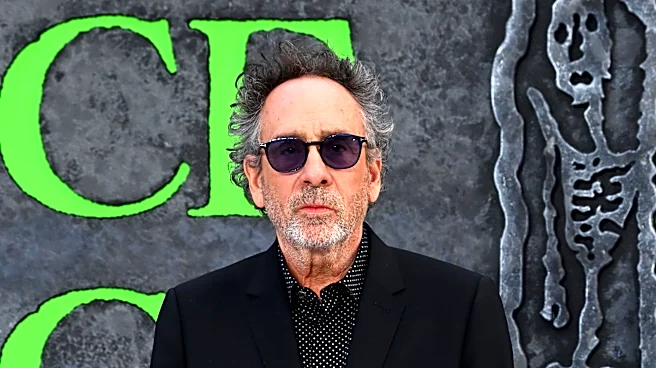
To truly understand the debate, you have to understand its director, Tim Burton. 'Batman Returns' was the second in an unofficial trilogy of his films set at Christmas, preceded by 'Edward Scissorhands' and followed by 'The Nightmare Before Christmas' (which he produced). A common thread in Burton's work is the exploration of loneliness and what it means to be an outsider. He often uses the cheerful, conformist backdrop of the holidays to amplify the isolation of his protagonists. Batman, Catwoman, and the Penguin are all profoundly lonely figures—orphans and outcasts whose solitude is made more poignant by the surrounding festivities. The film isn't about the joy of Christmas, but about how the holiday season can intensify feelings of alienation and sadness for those who don't fit in.
The 'Die Hard' Effect and a Shifting Definition
The 'Batman Returns' debate doesn't exist in a vacuum. It lives in the shadow of the internet's original Christmas movie argument: 'Die Hard.' The endless discourse over whether that action classic counts has broadened the very definition of a holiday movie. It's no longer just about heartwarming tales like 'It's a Wonderful Life.' Now, any film set during the holidays is a potential candidate. 'Batman Returns' is a prime beneficiary of this expanded criteria. Fans who enjoy subverting traditional holiday norms have championed it, alongside other unconventional picks like 'Gremlins' and 'Kiss Kiss Bang Bang'. Its status as a 'niche Christmas-adjacent movie' allows viewers to curate their own, slightly edgier holiday watchlists.