





The Brain's Love of Laziness
In a world of infinite choice, our brains often crave the opposite. This isn't nostalgia; it's a psychological principle called 'cognitive ease'. The streaming model presents us with a paradox of choice—an endless grid of shows and movies that requires
active decision-making. Scrolling through Netflix can feel like a chore, inducing decision fatigue. Cable, on the other hand, offers a pre-packaged, linear experience. The choices are limited and presented sequentially. This reduces the mental effort required to find something to watch. Turning on a familiar channel is easy; our brains perceive it as a safe, low-effort signal that everything is going well. That feeling of ease is powerful, creating a comfortable habit loop that's hard to break, even when more dynamic options are available.
You Are What You Watch
Before streaming services became sprawling digital libraries, cable channels were carefully curated identities. Tuning into ESPN, MTV, Comedy Central, or HBO wasn't just about watching a specific show; it was about aligning yourself with a brand's sensibility. These channels served as cultural curators, telling you what was important in sports, music, or comedy. Their programming, bumpers, and overall aesthetic created a tribal identity that viewers could adopt. You weren't just a TV viewer; you were an 'ESPN person' or a 'Bravo person'. This sense of belonging is something streaming platforms, with their algorithm-driven, hyper-personalized interfaces, have struggled to replicate. A Netflix subscription doesn't define you in the same way an unwavering loyalty to a specific channel once did.
The Lost Art of Human Curation
The schedules of classic cable channels were crafted by human programmers who acted as tastemakers. They created a flow, sequencing shows and movies to build an evening of entertainment. This human touch created a sense of trust and anticipation. You might tune in for one show and stay for the next because you trusted the channel's judgment. Algorithms, by contrast, recommend content based on past viewing habits, which can trap users in a feedback loop of similar content. While effective, it lacks the serendipity and personality of human-led curation. That expert-guided experience, where a channel could introduce you to something new yet tonally consistent, fostered a relationship between the viewer and the brand that went beyond simple content delivery.
The Comforting Ritual of the Remote
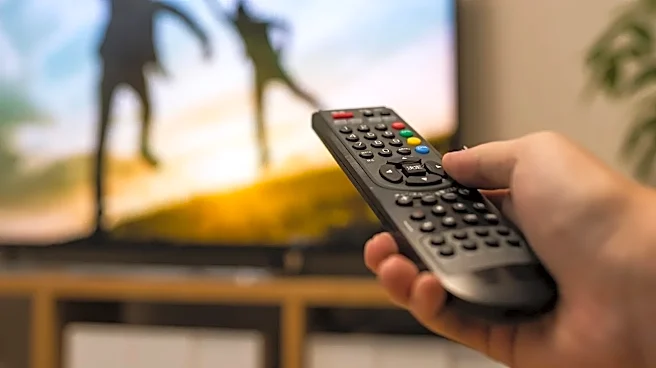
For many who grew up with it, the act of channel surfing is a deeply ingrained ritual. It’s a low-stakes, passive activity that provides a sense of comfort and control. The rhythmic click of the remote, the brief glimpse of dozens of different worlds, is a habit that requires no goal or destination. It's the journey itself that's soothing. While approximately 22% of consumers still use cable as their primary TV source in 2026, many more supplement their streaming with it, often for live events like sports and news. But beyond that utility, the simple, repetitive motion of flipping through channels remains a powerful, almost meditative, habit—a stark contrast to the intentional, and sometimes stressful, act of searching for something specific to stream.